

Not a Museum Will Fill Tokyo’s Former Imperial Hotel Plaza Until the Tower Is Rebuilt
NOT A CITY and SKWAT will run Not a Museum, a four-year cultural complex across four floors of the former Imperial Hotel Plaza Tokyo, from summer 2027 until March 2031.
 illustrarch Editorial Team18 November 20262 Mins read2
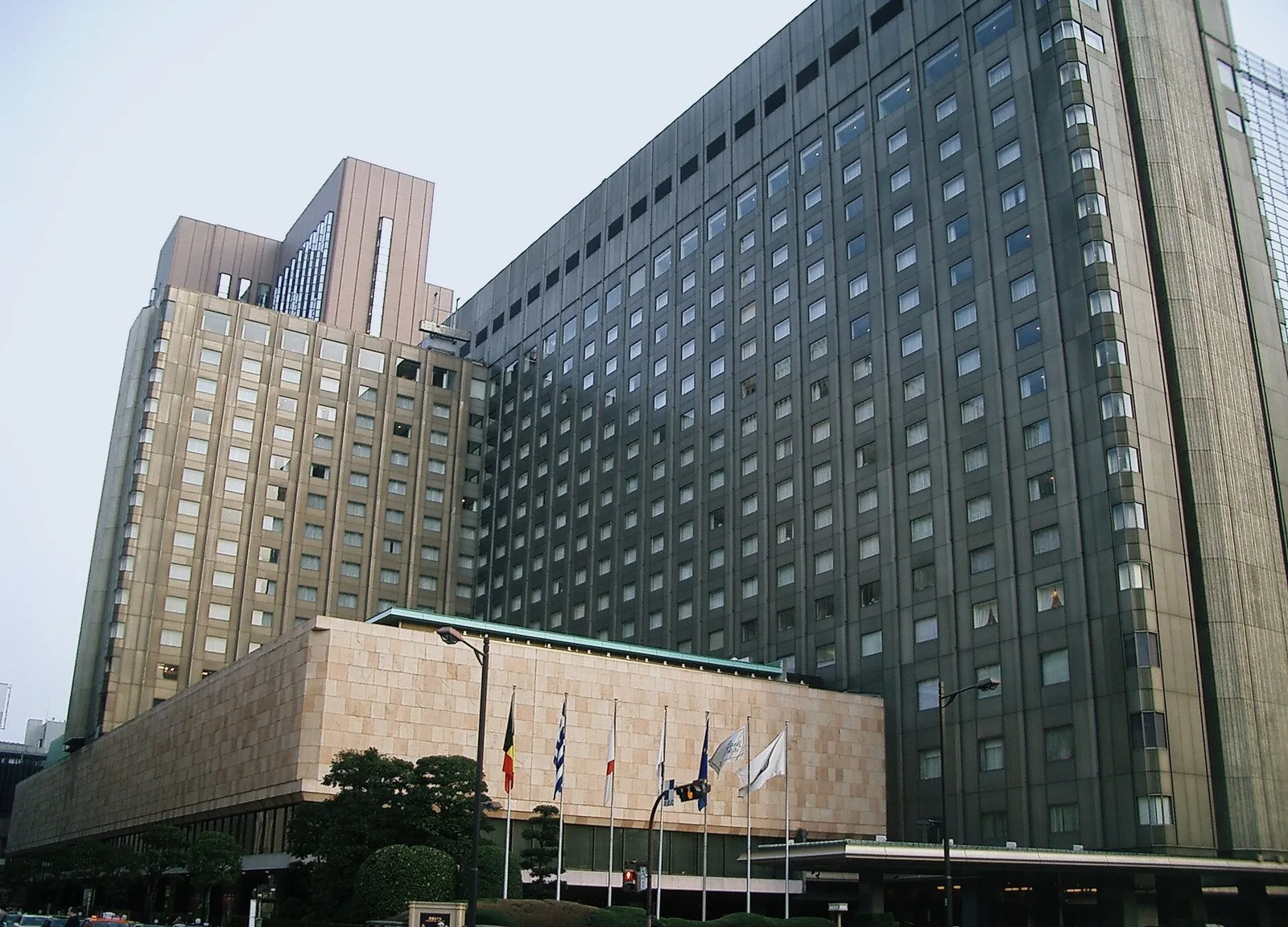
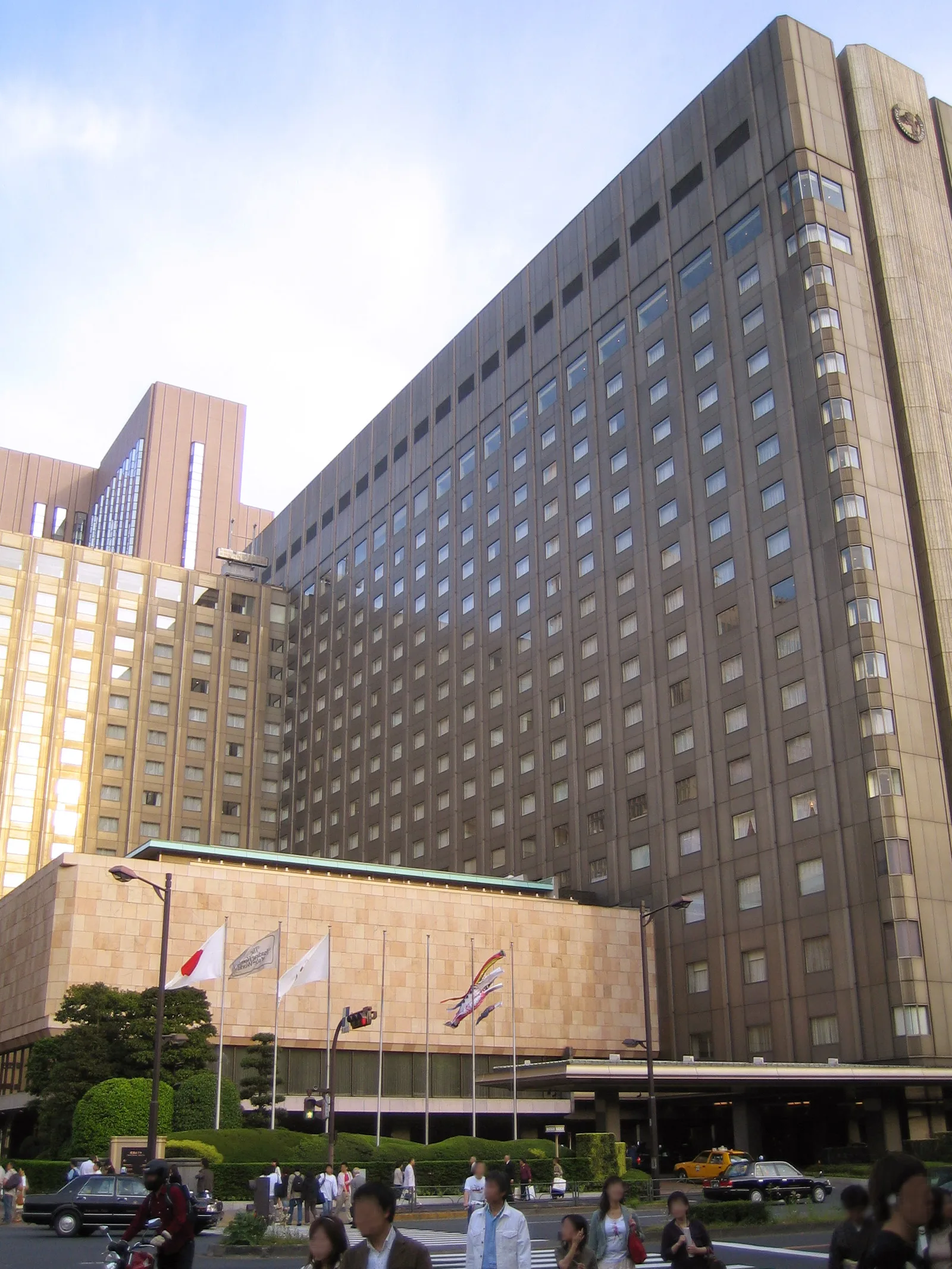
Before the Imperial Hotel Tokyo tower comes down for redevelopment, its old shopping arcade will get one more life. NOT A CITY, the urban development company of the NOTA group behind Not A Hotel, has announced Not a Museum, a temporary cultural complex that will occupy the former Imperial Hotel Plaza Tokyo from summer 2027 until March 2031.
 Mantua’s Palazzo Ducale Nears the End of a 14-Year Earthquake Restoration
 Michelangelus Turns Michelangelo’s Handwriting Into a Free Font for Microsoft 365
 Office for Future’s Dvir Turns a Former School in Stavyshche Into 42 Homes for Displaced Ukrainian Families
 2026 Architecture MasterPrize Winners: Snøhetta Takes Design of the Year
The plaza opened in 1983 as a cluster of luxury boutiques on the lower floors of the hotel’s tower building and closed in March 2024. The new project will take over the first to fourth floors, apart from some shops on the ground level, covering about 2,000 tsubo. That is roughly 6,600 square metres in the Japanese unit used in the announcement, not 2,000 square metres as some English reports put it.
Who is designing Not a Museum
NOTA is the project owner. Programming and operations will be shared by NOT A CITY and SKWAT, the collective set up in 2019 around Keisuke Nakamura of the design office DAIKEI MILLS, which takes over vacant buildings for fixed periods and opens them to the public through exhibitions, publishing, shops and talks. The spatial design is by DAIKEI MILLS together with NOT A HOTEL ARCHITECTS. The two sides had already worked together on NOT A HOTEL ASAKUSA, and the Imperial Hotel approached them about the empty plaza.
The concept is summed up as “Culture, in the making.” Rather than showing finished works, the venue is meant to host art, books, music, fashion and cinema as programmes that are mixed, tested and changed while visitors watch, closer to a working sandbox than a conventional gallery.
Temporary use before demolition
Presenting the plan at a NOTA strategy briefing on 5 October, NOT A CITY chief executive Midori Omori framed it as part of a wider approach in which culture comes first and the city follows. She pointed to rising construction costs as one reason conventional development models are harder to make work, and said the company wants to create places in Japanese cities and regions that excite visitors from abroad.
Interim use of buildings awaiting demolition is common in European cities but still rare in central Tokyo, where large sites tend to sit empty until construction starts. With roughly four years between the plaza’s closure and the tower’s rebuilding, Not a Museum turns that gap into a public programme. The company has not said whether the Not a Museum name will be used at other locations.


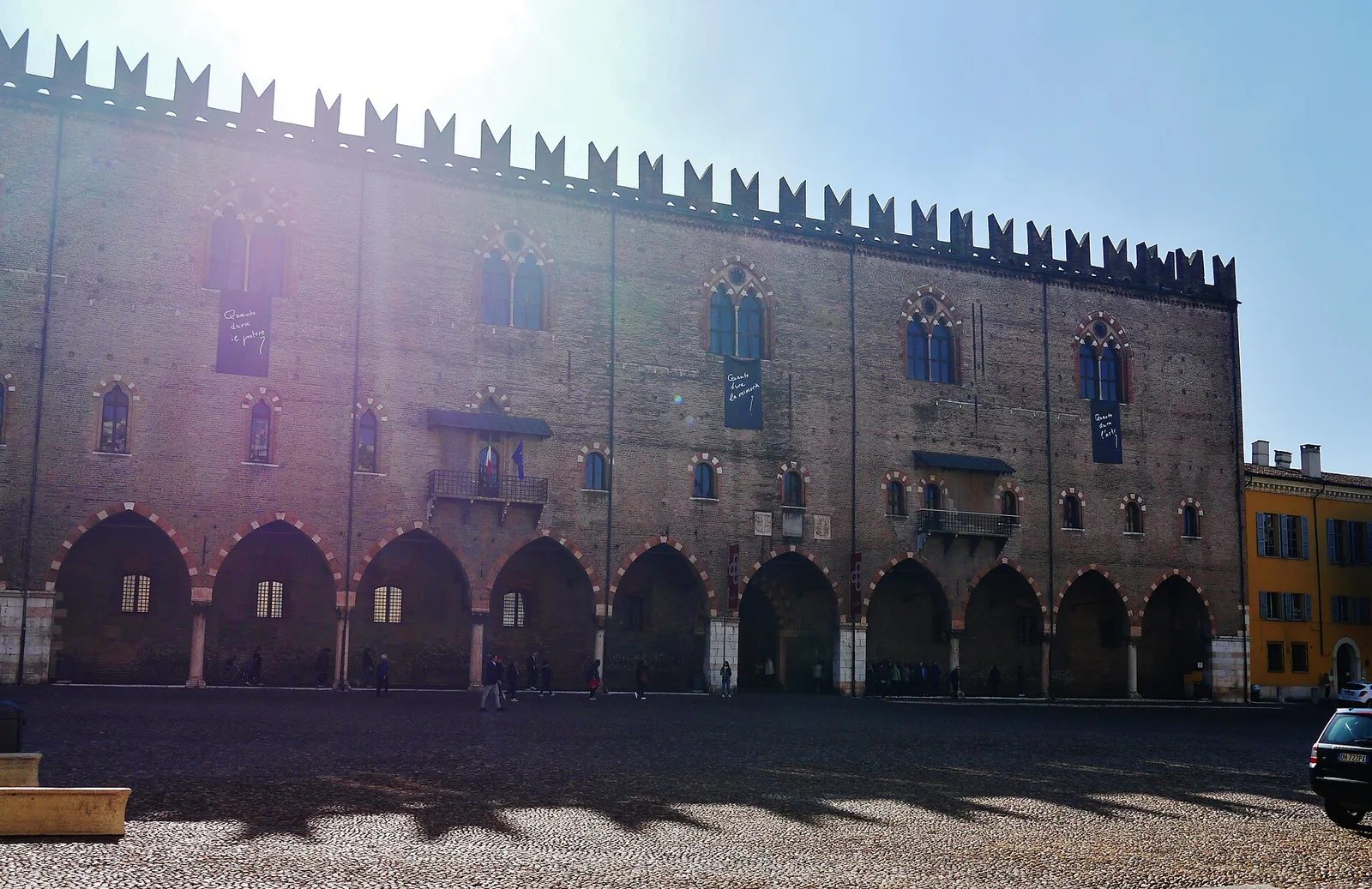
Mantua’s Palazzo Ducale Nears the End of a 14-Year Earthquake Restoration
Damaged by the 2012 earthquakes, the 35,000 square metre Gonzaga palace in...
illustrarch Editorial Team2 Mins read
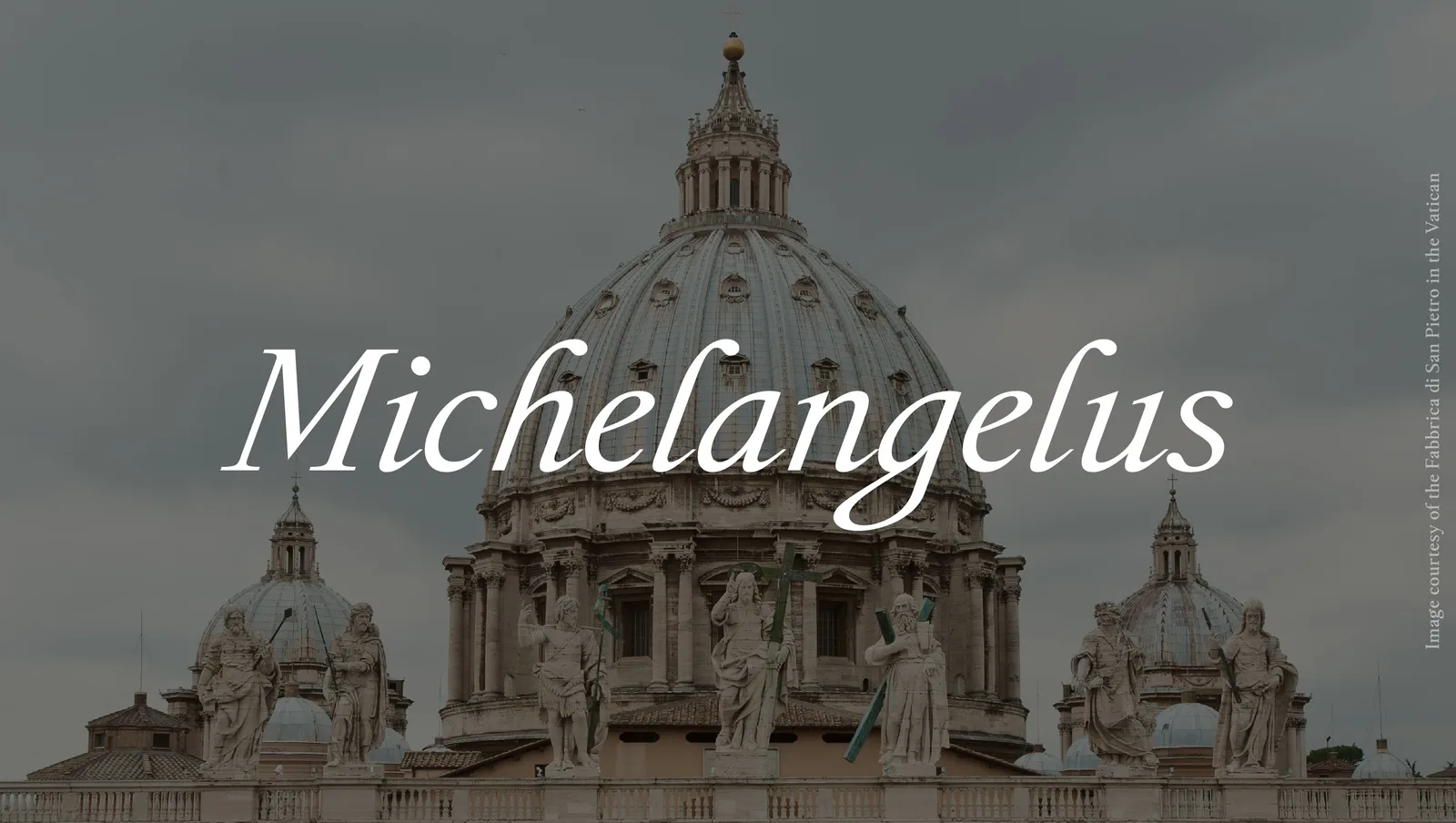
Michelangelus Turns Michelangelo’s Handwriting Into a Free Font for Microsoft 365
Commissioned by the Fabbrica di San Pietro and designed by studiogusto®, Michelangelus...
illustrarch Editorial Team2 Mins read
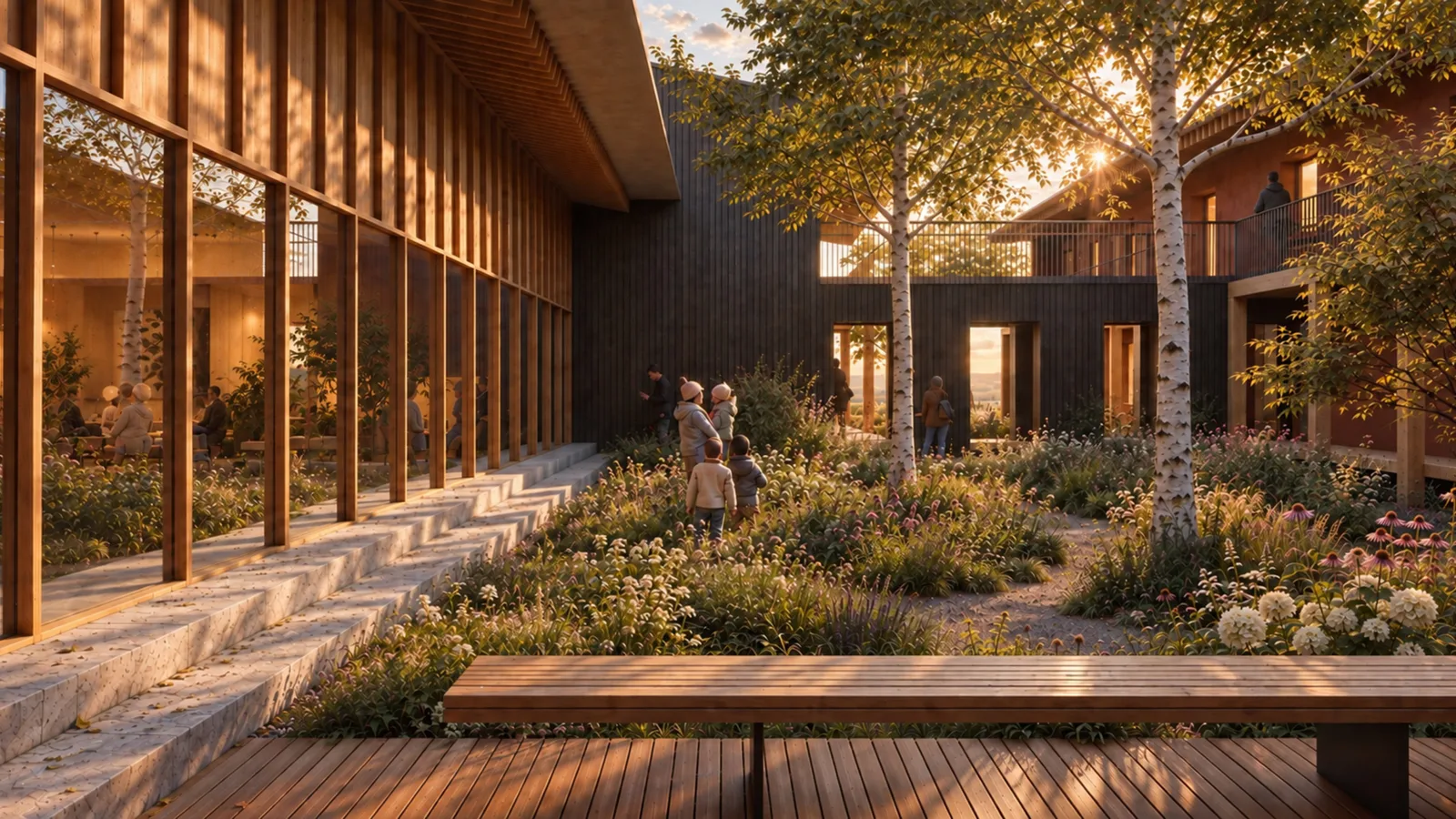
Office for Future’s Dvir Turns a Former School in Stavyshche Into 42 Homes for Displaced Ukrainian Families
The 1,900 square metre school keeps its place in town life with...
illustrarch Editorial Team1 Mins read
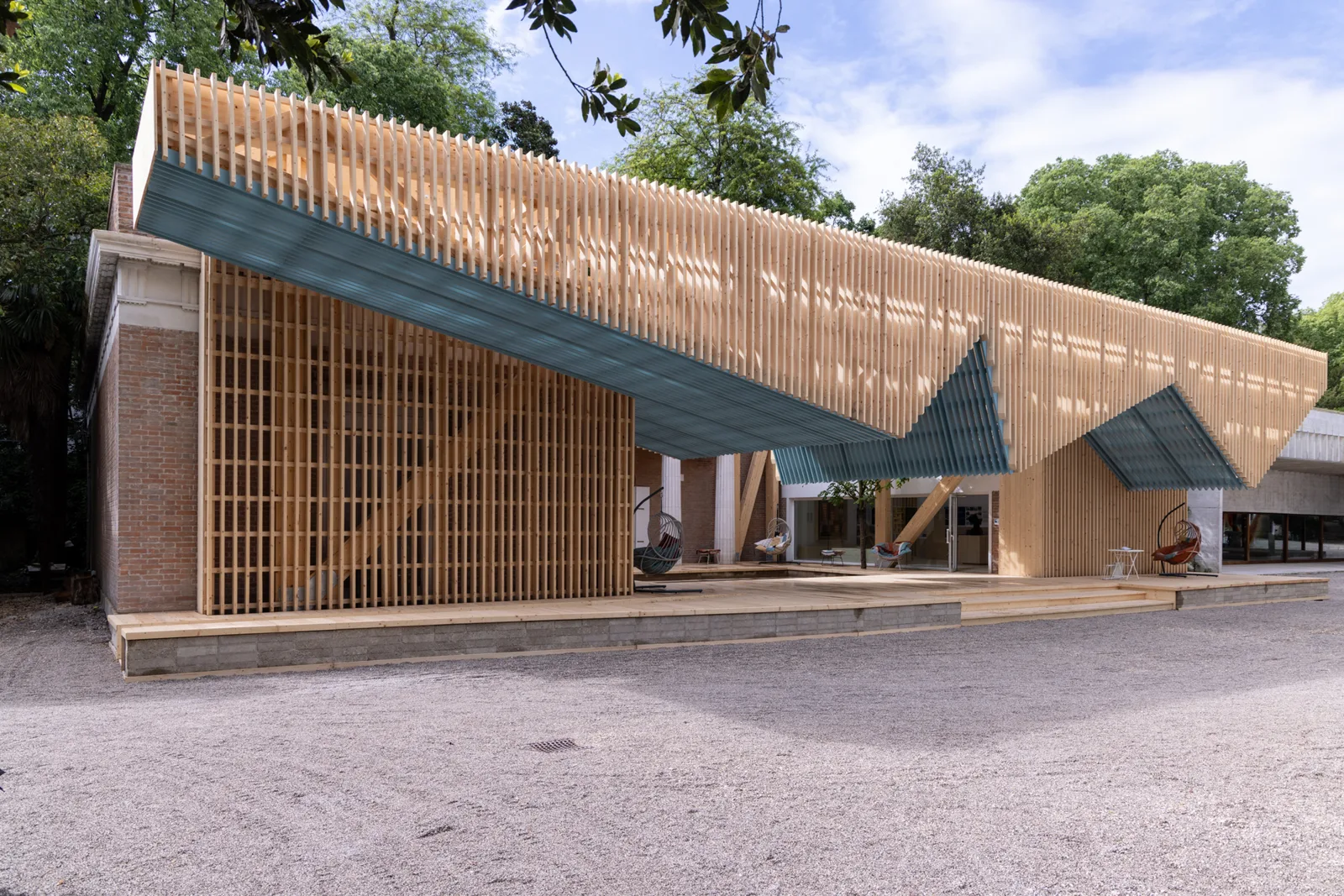
Marlon Blackwell Architects’ Porch From the 2025 US Pavilion in Venice Will Be Rebuilt at Crystal Bridges
Dismantled after the Biennale and stored in Arkansas, the timber canopy designed...
illustrarch Editorial Team2 Mins read



Leave a comment