

Most Beautiful Toilet Ever
AFAB's design of a public toilet transforms a functional space into an iconic experience, emphasizing the importance of context and intention in architecture.
 illustrarch Editoral Team24 January 20193 Mins read416

Table of Contents Show
AFAB is an architecture firm founded in 2017 by Aitor Frías, and led by Aitor Frías together with Joaquín Perailes. The practice keeps one foot in the most contemporary architecture and the other in the purest tradition. Its work ranges from large-scale urban projects with a measurable impact on the city to the design of tiny objects, always pursued in the context of intellectual research. That breadth of scale is the key to understanding this project, because it treats a humble program with the same seriousness usually reserved for a museum or a civic hall.
Designing a toilet in a place set within one of the most beautiful and intriguing landscapes in the world is not the same as designing one anywhere else. In such a setting, AFAB chose not to approach the toilet as a merely functional service, but as a vital experience: an absolutely iconic object that those who visit will remember forever. The brief becomes an invitation rather than an obligation, and a routine stop turns into a reason to pause and look outward.
When a small building becomes a landmark
There is a long architectural lineage for this kind of thinking. The tradition of the folly, a small structure built as much for delight as for use, shows how a modest footprint can carry outsized meaning within a landscape. The same logic applies to the public toilet, a building type often hidden away yet capable of shaping how people move through and remember a place. When a designer elevates such a program, the result reframes what visitors expect from the most ordinary of amenities.
The strength of an approach like this rests on restraint and on a careful reading of context. A structure that answers to its surroundings, rather than competing with them, lets the landscape remain the protagonist while the building frames and intensifies the view. This is the essence of critical regionalism, the idea that good architecture grows from the particular qualities of its place rather than from a universal formula imposed upon it. Material choices, orientation, and the way one enters and leaves all become tools for choreographing a brief encounter.

What AFAB proposes, then, is a quiet argument: that no program is too small to deserve thought, and that even the most utilitarian building can offer a different and unique experience in life. For a practice that moves fluidly between the city and the object, the toilet is not a footnote. It is proof that architecture is measured by intention, not by size.
Why the Smallest Programs Reward the Most Attention
Modest buildings carry an outsized share of a visitor’s experience precisely because they are encountered up close and used directly. A toilet, a shelter, or a kiosk is touched, entered, and inhabited at body scale, which means every material and detail is read at arm’s length. Designers who treat these programs seriously understand that the user’s memory of a place is often shaped by these brief, intimate moments rather than by the grand views alone. Care at this scale signals respect for the visitor, and that respect is felt even when it is not consciously noticed.
Framing the Landscape Rather Than Competing With It
One of the most effective strategies for a building set in a remarkable landscape is to act as a frame for the view rather than a spectacle in itself. A carefully placed opening can isolate a horizon, a rock formation, or a stretch of sky, turning the act of using the building into a moment of looking outward. This approach asks the architect to study sightlines, orientation, and the path of the sun before settling on a form. When it succeeds, the structure feels inevitable, as though the site itself suggested where the walls and windows should fall.
Materials and Durability in Remote Settings
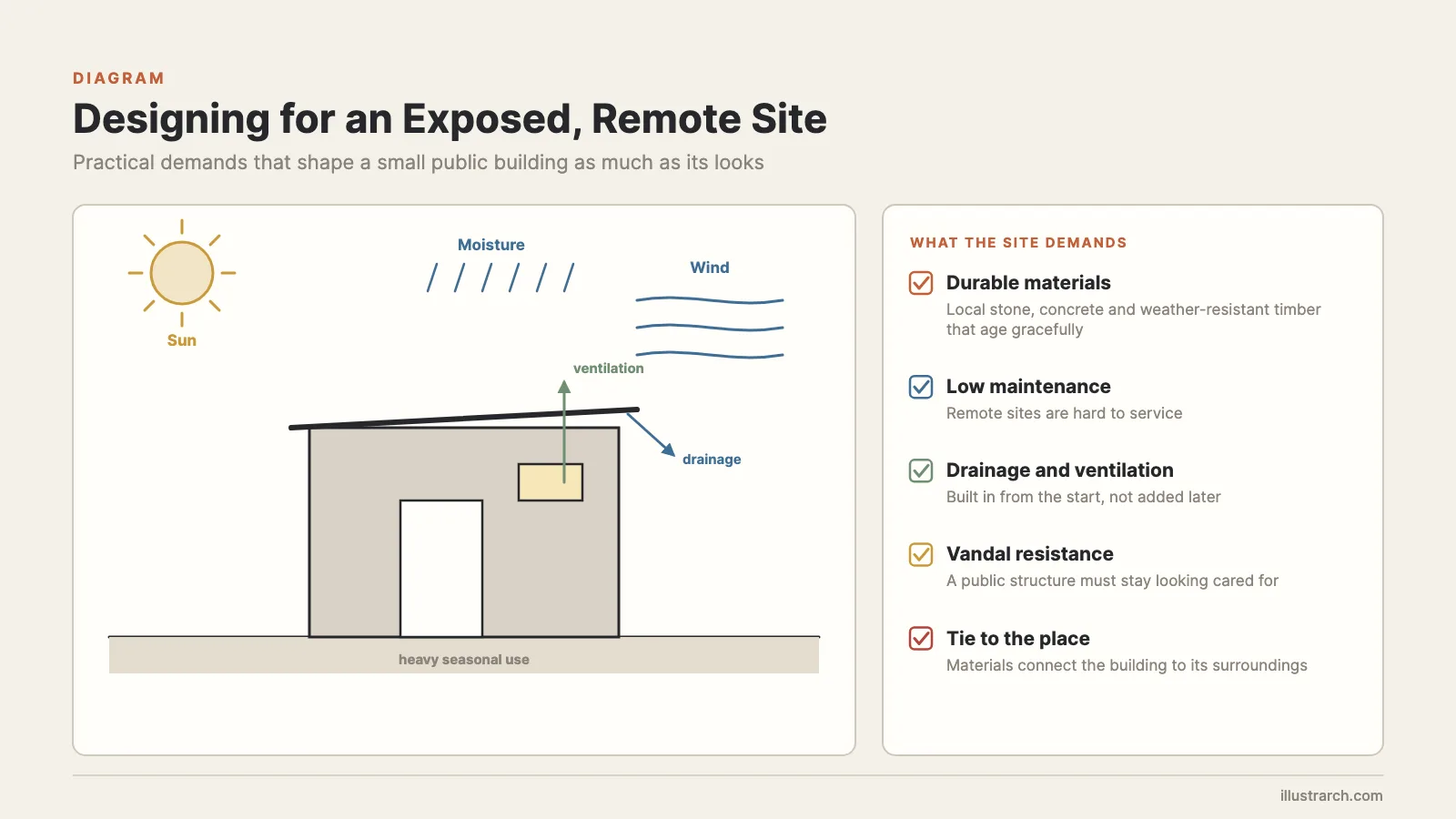
Building in a striking but exposed location brings practical demands that shape the design as much as any aesthetic goal. Materials must withstand sun, wind, moisture, and heavy seasonal use while requiring little maintenance, since remote sites are hard to service. Local stone, concrete, and weather-resistant timber are common choices because they age gracefully and tie the building to its surroundings. Thoughtful drainage, ventilation, and resistance to vandalism are not afterthoughts in a public structure; they are the difference between a building that endures and one that quickly looks neglected.
The Broader Lesson for Architects
Projects like this one offer a useful reminder for any designer: the value of a building is not measured by its budget or its footprint, but by the clarity of the thinking behind it. Approaching a humble brief with the same rigor reserved for a museum can transform a routine amenity into something memorable. For students and early-career architects, small commissions are often the first real opportunities to test ideas, and treating them as worthy of full attention is how a distinctive design voice begins to form.


Interior Design for Commercial Spaces: Enhancing Functionality and Brand Identity
Commercial interior design has to serve brand, function and regulation at once....
 Begum Gumusel4 Mins read
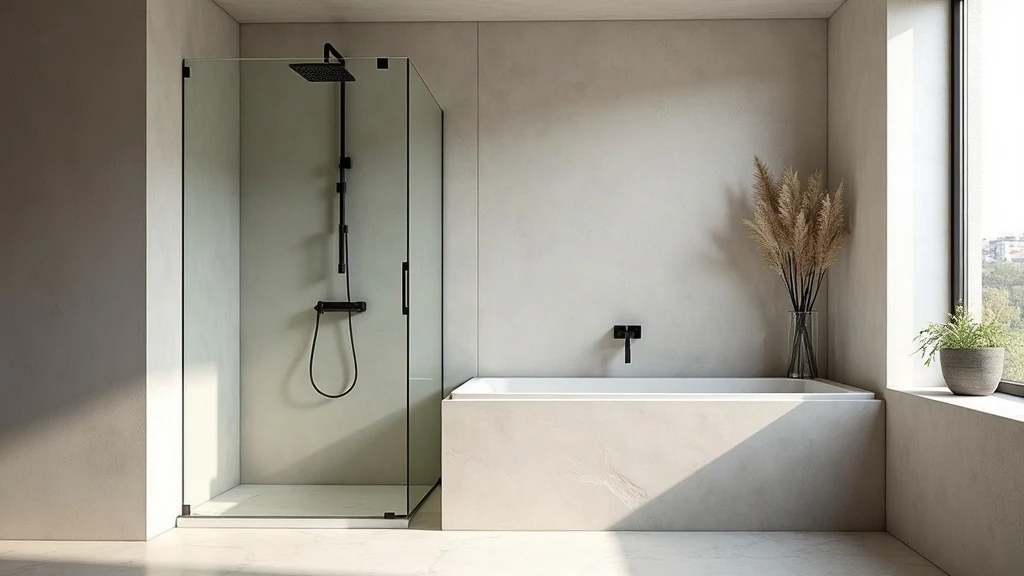
Frameless Shower Screens: Detailing the Bathroom’s Largest Sheet of Glass
The shower screen is often the largest sheet of glass in a...
illustrarch Editoral Team4 Mins read
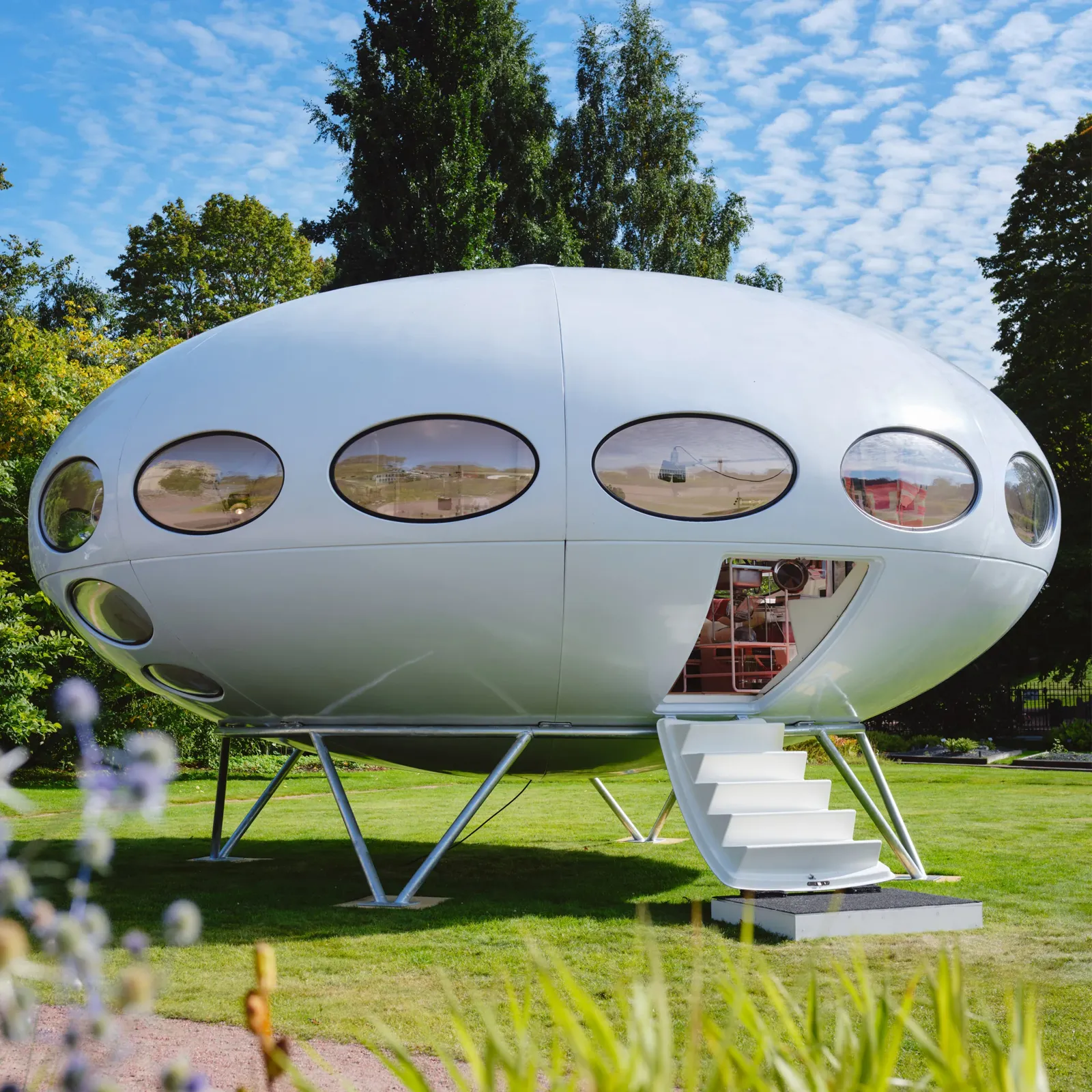
Futuro House Production Revived in Finland After Decades-Long Hiatus
A Facebook listing for abandoned moulds led to the first new Futuro...
illustrarch Editoral Team3 Mins read
Building Your Dream Home in NSW: What You Should Know About Montgomery Homes
Montgomery Homes has been building across Sydney, Newcastle, the Hunter, Wollongong and...
illustrarch Editoral Team4 Mins read


Leave a comment