

EPDM Roofing: Rubber Roof Pros, Cons and Cost
EPDM roofing material is a synthetic rubber membrane used on flat and low-slope roofs, available in 45, 60, and 90 mil thicknesses. This guide covers installation methods, lifespan of 25 to 50 years, cost per square foot, and a side-by-side comparison with TPO and PVC.
 illustrarch Editoral Team27 October 20268 Mins read1
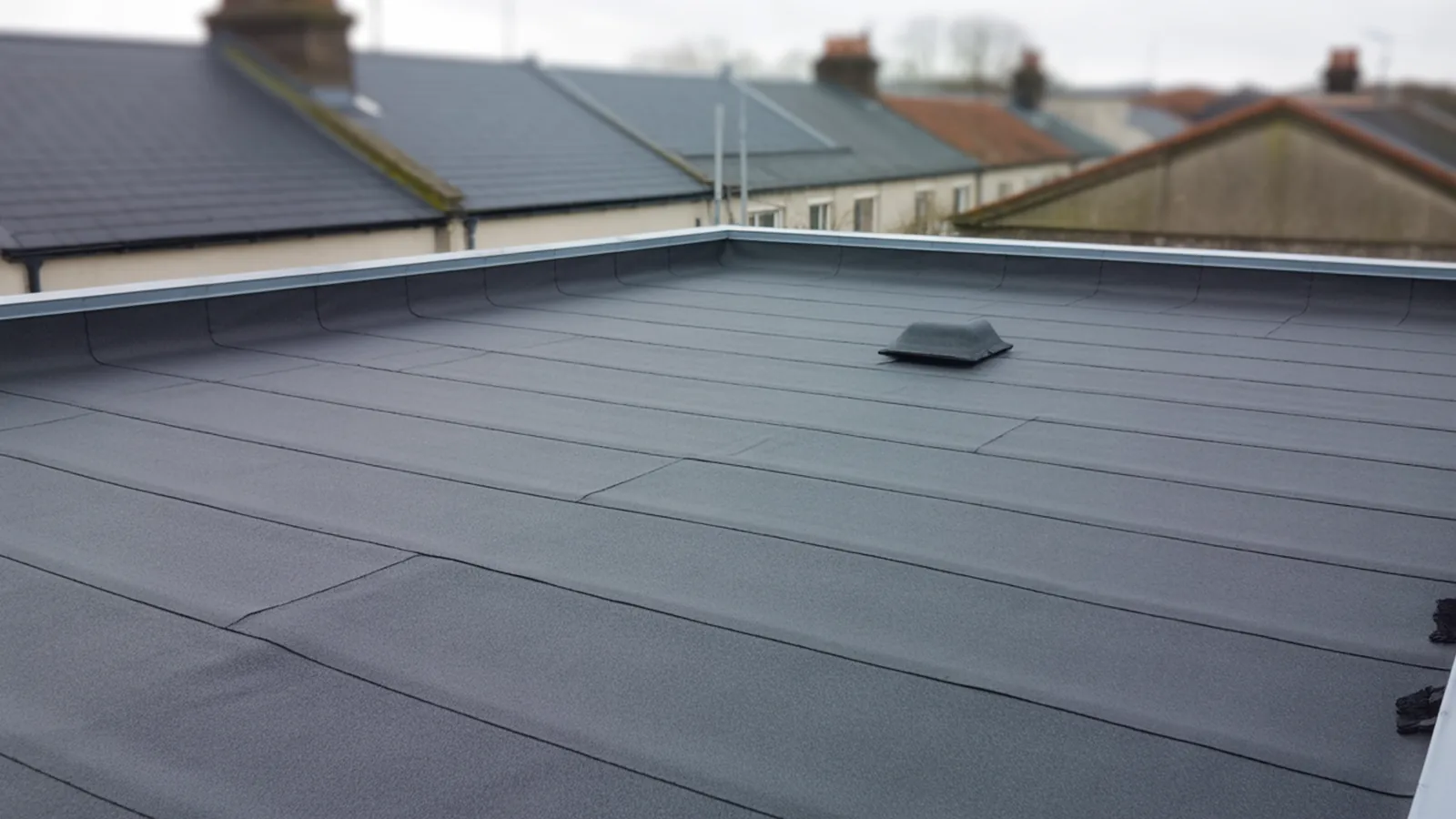
Table of Contents Show
EPDM roofing material is a synthetic rubber membrane made from ethylene, propylene, and diene monomer compounds, widely used on flat and low-slope roofs. Known for its flexibility, UV resistance, and long service life, EPDM has been installed on commercial and residential buildings across North America for more than 50 years.
What Is EPDM Roofing Material?
EPDM stands for ethylene propylene diene monomer, a type of synthetic rubber classified under ASTM D4637. According to Wikipedia’s entry on EPDM rubber, the material is derived from ethylene, propylene, and a small proportion of diene comonomer (typically 2 to 12%) that allows crosslinking through sulfur vulcanization. The result is a dense, flexible membrane that resists heat, ozone, steam, and weathering far better than most polymer-based alternatives.
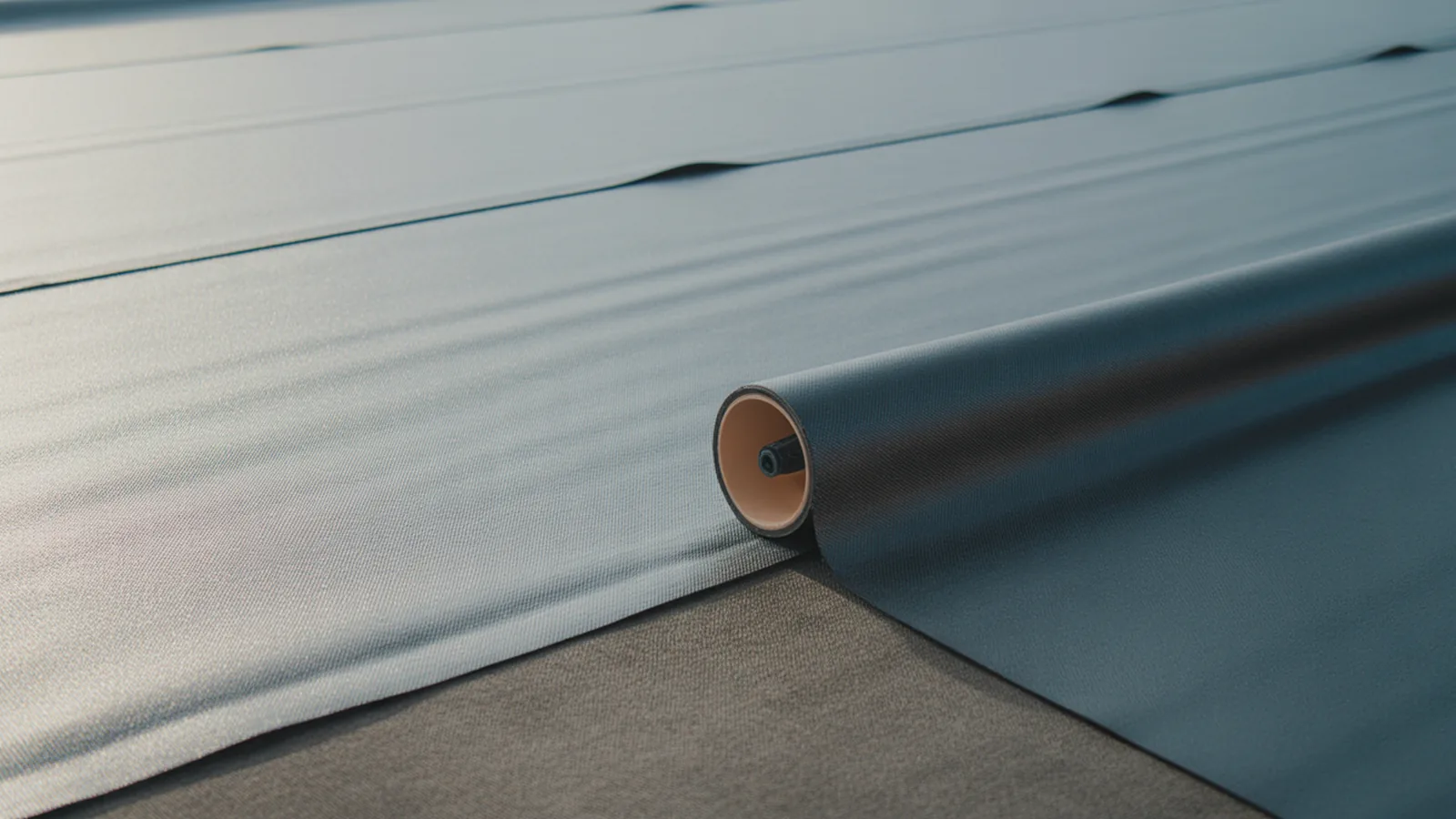
For roofing purposes, EPDM is manufactured in large factory-produced sheets rather than field-mixed compounds. Sheets are produced in widths ranging from 7.5 feet to 50 feet, which reduces the number of field seams and, by extension, the number of potential leak points on a finished roof.
📌 Did You Know?
EPDM does not contaminate rainwater runoff, which makes it one of the few roofing membranes compatible with rainwater harvesting systems. This characteristic is particularly valued in green building projects where collected rainwater is reused for irrigation or greywater applications, according to Wikipedia’s EPDM rubber article.
EPDM is produced in two base colors: black and white. Black EPDM dominates commercial applications because the carbon black filler extends the membrane’s UV resistance and structural stability. White EPDM is available for buildings in hot climates where solar reflectance is a priority, though it carries a slight cost premium.
EPDM Thickness Options
Membrane thickness is one of the most critical specification decisions when planning an EPDM roof. Standard commercial products are available in 45 mil, 60 mil, and 90 mil thicknesses (1 mil equals one thousandth of an inch).
📐 Technical Note
EPDM membranes must conform to ASTM D4637 (Standard Specification for EPDM Sheet Used in Single-Ply Roof Membrane). The 45 mil membrane meets minimum code in most jurisdictions and is commonly used on residential projects, while 60 mil is the standard for commercial applications. The 90 mil specification is reserved for high-traffic rooftops, green roof assemblies, or projects requiring enhanced puncture resistance. Carlisle SynTec, one of the largest EPDM manufacturers, reports that EPDM systems have documented service lives of 40 or more years when properly installed.
- 45 mil: Lightest option, typically used on residential structures with low foot traffic.
- 60 mil: The commercial standard, balancing durability and cost for most low-slope applications.
- 90 mil: Specified for rooftop terraces, ballasted systems with heavy stone, or roofs subject to frequent maintenance access.
How Is EPDM Roofing Installed?
There are three primary methods for attaching EPDM membranes to a roof deck. Each method has a distinct cost profile, wind-uplift performance, and suitability for different building types. Choosing the right method depends on roof geometry, local wind zones, and whether insulation is part of the assembly.
Ballasted Systems
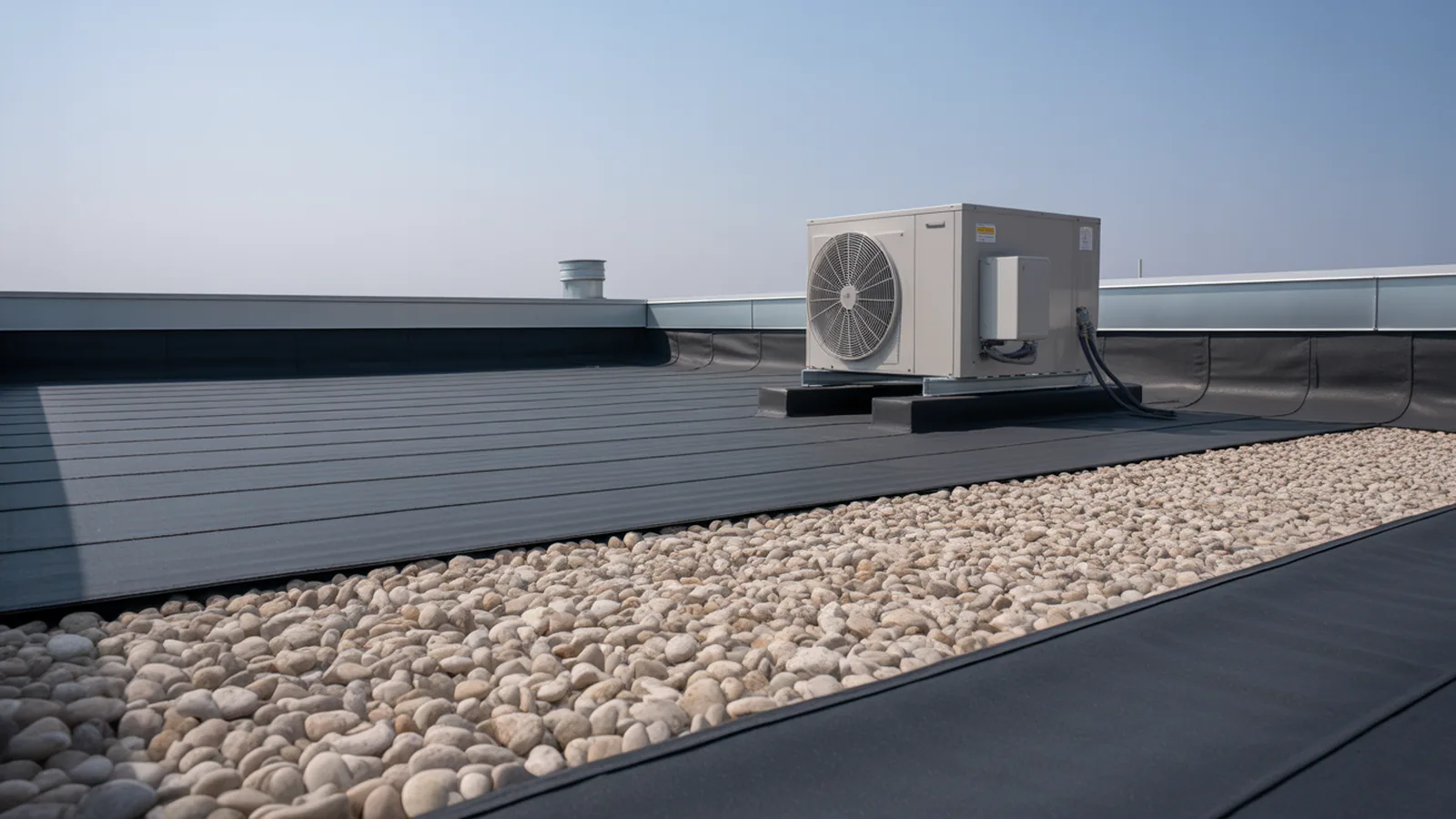
In a ballasted EPDM installation, the membrane is laid loosely over rigid insulation and held in place by river-washed stone (1.5-inch minimum) or concrete pavers. The weight of the ballast, typically 10 to 12 pounds per square foot, prevents wind uplift without penetrating the membrane itself.
Ballasted systems are the least expensive installation method and the easiest to repair since the membrane is not adhered to anything beneath it. The main drawback is structural load: not every building can support the added weight of stone ballast. Ballasted assemblies are most common on large warehouse and retail rooftops where the structure was designed for the additional load.
Fully Adhered Systems
A fully adhered installation bonds the EPDM membrane to the insulation or cover board below it using water-based bonding adhesive applied to both surfaces. Once the adhesive reaches tack, the membrane is rolled out and pressed into place, creating a firm bond across the entire surface area.
Fully adhered systems offer the best resistance to wind uplift and are required in many high-wind coastal zones. They also eliminate the billowing effect sometimes seen in mechanically fastened systems during high-wind events. The trade-off is higher material and labor cost compared to ballasted or mechanically fastened alternatives.
💡 Pro Tip
When specifying a fully adhered EPDM system, require the installer to use a cover board (typically half-inch high-density polyisocyanurate or glass-fiber-faced gypsum) between the insulation and the membrane. Applying bonding adhesive directly to soft polyiso foam can cause adhesion failures over time as the foam surface degrades. Cover boards also improve fire ratings and help the membrane lie flat after installation.
Mechanically Fastened Systems
In a mechanically fastened assembly, the EPDM membrane is secured with metal fasteners and polymer plates driven through the membrane and insulation into the roof deck at regular intervals. Seams between adjacent membrane sheets overlap several inches and are bonded with EPDM tape or liquid seam adhesive.
Mechanically fastened systems are among the most widely installed EPDM configurations in commercial roofing because they work on virtually any deck substrate, including metal, concrete, and wood. They cost less than fully adhered systems and allow for easy insulation replacement in future re-roofing projects. Fastener spacing must be engineered to meet local wind-uplift codes, particularly in hurricane-prone regions.
How Long Does EPDM Roofing Last?
A properly installed EPDM roof typically lasts between 25 and 30 years under normal commercial conditions. Well-maintained systems have documented service lives of 40 to 50 years. According to Carlisle SynTec, one of the oldest EPDM manufacturers in North America, there are abundant examples of 40-plus-year-old EPDM roofs still performing without replacement.
Factors that shorten EPDM lifespan include ponding water (standing water for more than 48 hours after rain), improper seam bonding during installation, and physical puncture damage from rooftop equipment or foot traffic. Annual inspections and prompt repair of any seam separations are the most cost-effective way to reach the upper end of the expected service life.
🔢 Quick Numbers
- 25 to 30 years: typical service life for a standard EPDM roof (Carlisle SynTec, 2024)
- 40 to 50 years: documented maximum lifespan of well-maintained EPDM systems (Carlisle SynTec, 2024)
- $4.25 to $12 per square foot: total installed cost range for EPDM, including labor (This Old House, 2026 Rubber Roof Cost Guide)
- 79%: share of homeowners whose final rubber roof cost matched their original estimate (This Old House, 2026 survey)
How Much Does EPDM Roofing Cost per Square Foot?
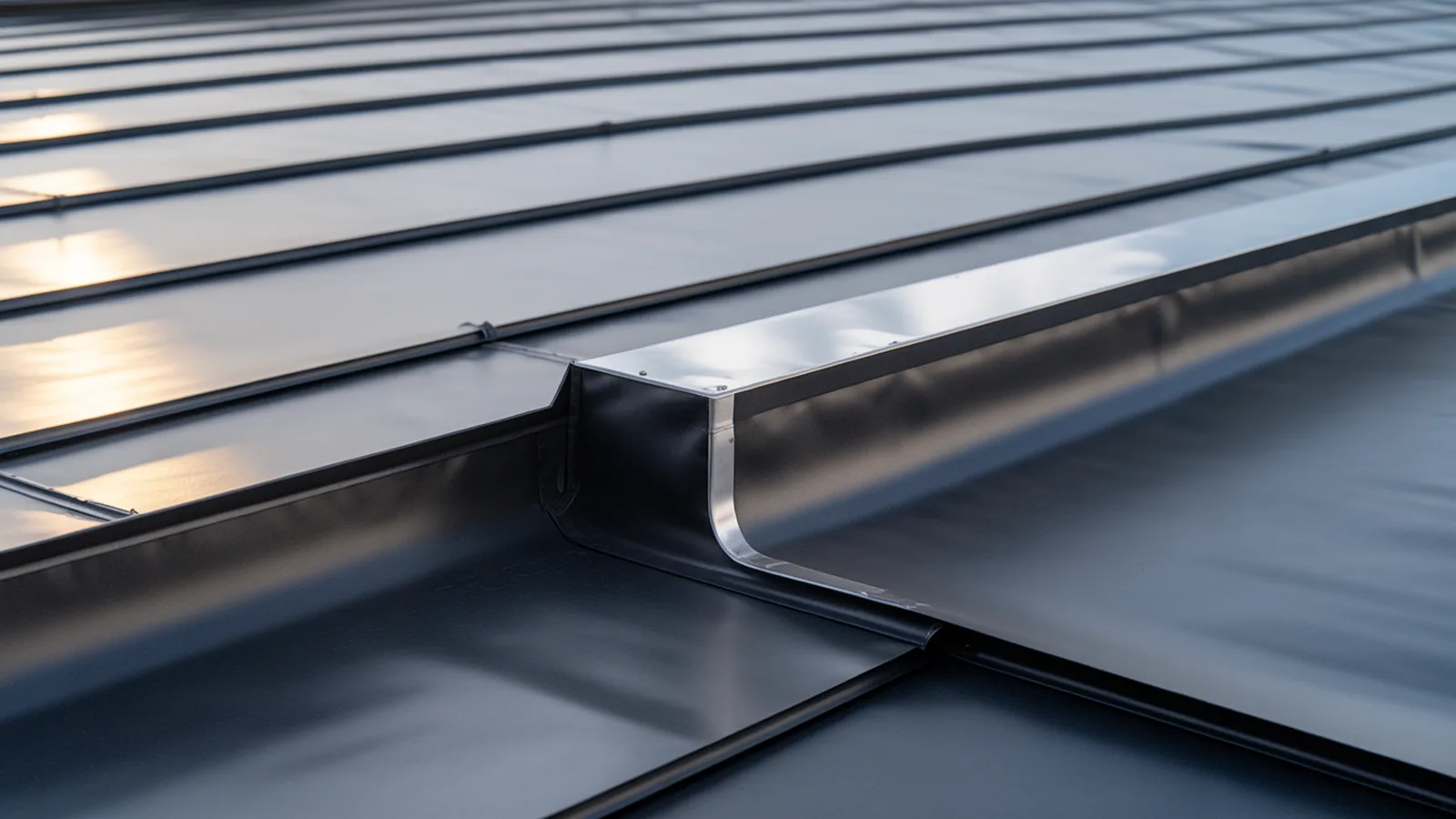
EPDM is the most affordable single-ply membrane on the market. According to the This Old House 2026 Rubber Roof Cost Guide, installed EPDM runs between $4.25 and $12 per square foot, with most residential projects landing in the $5.50 to $8.00 range. For a typical 1,700 square foot flat roof, that translates to a total project cost of roughly $7,000 to $20,400 before any deck repairs or drain modifications.
Cost varies primarily by installation method, membrane thickness, and regional labor rates:
- Ballasted systems: Lowest installed cost, roughly $4.25 to $6.50 per square foot, because labor time is shorter.
- Mechanically fastened systems: Mid-range, roughly $5.00 to $8.00 per square foot.
- Fully adhered systems: Highest labor cost, typically $6.00 to $12.00 per square foot due to the two-sided adhesive application process.
Material alone costs between $0.50 and $1.50 per square foot for 45 mil and around $1.00 to $2.50 per square foot for 60 mil. Labor accounts for roughly 60% of total project cost on most residential installations, according to This Old House research. When choosing a roof design for a home, EPDM’s lower upfront cost combined with its long lifespan gives it one of the better cost-per-year ratios among flat roof membranes.
EPDM Pros and Cons
Every roofing membrane involves trade-offs, and EPDM is no exception. Understanding both sides helps building owners make a better-informed decision before committing to a material that will be in place for decades.
Advantages of EPDM Roofing
- Low cost: EPDM consistently undercuts TPO and PVC on material price, and many installation methods are straightforward enough for experienced contractors to complete quickly.
- Proven track record spanning more than 50 years of field performance in diverse climates.
- Excellent flexibility in cold temperatures: EPDM remains pliable down to minus 40 degrees Fahrenheit, reducing cracking risk during freeze-thaw cycles.
- Resistant to UV radiation, ozone, and most weather conditions without a surface coating.
- Wide sheet widths (up to 50 feet) minimize field seams, which are the most common source of roof leaks.
- Compatible with rainwater harvesting systems because the material does not leach harmful compounds into runoff.
- Repair is relatively simple: patches bond with liquid adhesive or self-adhesive EPDM tape without the need for hot-air welding equipment.
Disadvantages of EPDM Roofing
- Black EPDM absorbs solar heat rather than reflecting it, increasing cooling loads in hot climates. White EPDM mitigates this but costs more and has a shorter color retention record.
- Adhesive seams (as used in fully adhered systems) are generally less mechanically strong than the heat-welded seams used on TPO and PVC membranes.
- EPDM is incompatible with oil-based solvents, grease, and some petroleum products, making it a poor choice for restaurants or facilities with rooftop cooking exhaust systems.
- Ballasted systems add significant structural load (10 to 12 lbs per square foot), which older buildings may not be able to accommodate.
- The dark surface can make identifying small punctures or seam separations harder during visual inspections.
⚠️ Common Mistake to Avoid
A frequent error during EPDM installation is applying bonding adhesive in temperatures below 40 degrees Fahrenheit (4 degrees Celsius). Adhesive cures poorly in cold conditions, which leads to delamination within the first few seasons. Check that your installation contract specifies an approved temperature range and that the contractor will delay work during cold snaps rather than proceeding with a compromised adhesive bond.
EPDM vs TPO vs PVC: Which Membrane Is Right for Your Roof?
Single-ply membranes dominate the low-slope roofing market, and EPDM, TPO, and PVC are the three most commonly specified options. Comparing them across cost, durability, seam quality, and best use cases makes the decision clearer.
Comparison Table: EPDM vs TPO vs PVC
The following table summarizes the key differences between the three membrane types based on industry-reported data from This Old House (2026) and roofing systems specialists.
| Feature | EPDM | TPO | PVC |
|---|---|---|---|
| Installed cost (per sq ft) | $4.25 to $12 | $4.50 to $14 | $5.25 to $13 |
| Typical lifespan | 25 to 50 years | 20 to 30 years | 25 to 35 years |
| Material type | Thermoset rubber | Thermoplastic | Thermoplastic |
| Seam method | Adhesive tape or liquid | Hot-air welded | Hot-air welded |
| Solar reflectance | Low (black); moderate (white option) | High (white standard) | High (white or light gray) |
| Cold-weather flexibility | Excellent (to -40°F) | Good | Moderate |
| Chemical resistance | Poor (oils/solvents) | Moderate | Excellent |
| Best application | Cold climates, warehouses, residences | Hot climates, energy-conscious builds | Restaurants, chemical exposure roofs |
| Track record | 50+ years | 25+ years | 40+ years |
TPO has grown to become the most installed single-ply membrane in North America largely due to its white reflective surface and heat-welded seams. PVC’s chemical resistance gives it a clear advantage in food service and manufacturing environments. EPDM’s strength is its price, cold-weather performance, and long service record. For most residential flat roofs and light commercial structures in temperate or cold climates, EPDM remains a highly practical and cost-effective choice.
💡 Pro Tip
If you are in a hot, sunny climate and leaning toward EPDM, ask your contractor about white EPDM or an EPDM system with a reflective topcoat rather than switching entirely to TPO. White EPDM retains EPDM’s cold-temperature flexibility and adhesive repairability while delivering meaningfully better solar reflectance. Carlisle SynTec’s Cool Gray EPDM is one such product designed to split the difference between reflectance and the established field performance of standard black EPDM.
For a broader look at how membrane choices fit within overall roof design decisions, the guide to choosing the right roof design for your home on illustrarch.com covers the full range of flat and pitched options alongside climate and budget considerations.
For technical guidelines and inspection checklists covering all three membrane types, the National Roofing Contractors Association (NRCA) publishes detailed resources including guidance on ballasted EPDM repair and mechanically fastened system wind-uplift calculations.
Putting It All Together
EPDM roofing material has earned its place as a staple of low-slope construction through decades of reliable field performance rather than marketing claims. At $4.25 to $12 per square foot installed, it undercuts both TPO and PVC on first cost while delivering a service life that, under good maintenance conditions, can stretch to 50 years. Its limitations around solar heat gain and chemical exposure are real, but they are also predictable and easy to plan around during the specification phase.
For most residential flat roofs, light commercial buildings, and cold-climate applications, EPDM is hard to beat on a cost-per-year-of-service basis. The critical decision sits not in the material itself but in the installation method and membrane thickness, since those two variables determine how the roof performs against wind, puncture, and temperature cycling over its full lifespan.
📚 Part of our guide to Types of Roofs: The Complete Guide to Shapes, Styles and Materials. See also TPO Roofing: Membrane Pros, Cons and Cost and Types of Commercial Roofing Systems Explained.

How to Match Your Roofing Style With Your Home’s Architecture
Your roof protects the house and shapes its curb appeal. These tips...
illustrarch Editoral Team2 Mins read
TPO Roofing: Membrane Pros, Cons and Cost
TPO roofing material is a single-ply thermoplastic polyolefin membrane widely used on...
illustrarch Editoral Team7 Mins read
Types of Roofs: The Complete Guide to Shapes, Styles and Materials
An overview of the most common roof shapes (gable, hip, flat, mansard,...
illustrarch Editoral Team12 Mins read
Anatomy of a Wet-Climate Roof: The Engineering Behind High-Performance Roofing
How high-performance roofing protects homes in wet climates: multi-layer systems, flashing, ventilation...
 Bahattin Duran3 Mins read


Leave a comment