

Architecture Crit Presentation: How to Present Your Project With Confidence
The crit is where a good project can fall apart and an average one can hold its ground. This guide breaks down what a crit is, how to prepare, how to structure your talk minute by minute, and how to answer jury questions without losing the thread.
 Sinan Ozen15 August 20266 Mins read110

Table of Contents Show
An architecture crit presentation is a short spoken defense of your design in front of tutors, guest critics, and peers. A strong one opens with the concept in a single sentence, walks the panel through the drawings in the order the idea developed, and leaves room for questions.
Most students prepare the wrong half. The last week goes into renders and the last night into printing, and the talk gets improvised at the wall. Drawings carry part of a review, never all of it. What you say in the first ninety seconds sets how the panel reads the rest.

What Is a Crit in Architecture?
A crit is a review where you present your project and a panel responds to it in front of your peers. Schools use different names for the same event: desk crit, pin-up, interim review, final review, or jury. It has been the main assessment method in architecture education for well over a century, and there is a whole book about it, The Crit: An Architecture Student’s Handbook, published by Routledge.
One distinction is worth holding onto. A desk crit is a conversation, so thinking out loud is welcome and changing your position mid-sentence costs you nothing. A final review is closer to a defense, where the panel expects a set of decisions and the reasoning behind them. Hesitation in that setting gets read as doubt about the work, not as modesty.
Prepare the Argument, Not Only the Boards
Preparation runs on two tracks. One is the material going on the wall, and our breakdown of what to include in an architectural presentation covers that side, along with a presentation board checklist for the night before. The other track is the argument you plan to make, and that is the part of an architecture crit presentation almost nobody rehearses.
Write the One-Sentence Version First
Before you lay out a single sheet, write the project in one sentence: what the site asked for, and the single move you made in response. If it takes three sentences, the scheme is still two ideas fighting each other. That sentence becomes your opening line, your closing line, and the thing you return to every time a question pulls you sideways.

Rehearse Standing Up, Out Loud, With a Timer
Reading your notes silently is not rehearsal. Pin up a draft print at final size, stand where you will actually stand, and talk through the whole thing at full volume. The sentences that only work on paper reveal themselves inside the first minute.
💡 Pro Tip
Record the rehearsal on your phone and listen back once. Two problems surface immediately: the filler words you repeat, and the section where you run ninety seconds over. Fixing those two is worth more than another night of rendering.
How to Structure Your Architecture Crit Presentation
A crit slot is shorter than most students plan for, and the panel wants roughly the last third of it for discussion. Build the talk around your sequence of decisions rather than the order of your sheets. Diagrams carry much of that structure, so our look at successful architectural diagrams and our examples of architecture presentation boards are both worth a look before you fix the layout.

A Ten-Minute Crit, Minute by Minute
The breakdown below assumes a ten-minute presentation followed by five minutes of discussion. Scale each block proportionally if your slot is longer.
| Segment | What to Cover | Timing |
|---|---|---|
| Opening | Project name, site, and the concept in one sentence | 0:00 to 0:45 |
| Site and brief | The problem you found, not a data dump | 0:45 to 2:15 |
| The main move | The one decision that drives the whole scheme | 2:15 to 4:00 |
| Plans and sections | How the idea turns into usable space | 4:00 to 7:00 |
| One resolved detail | A material or junction that proves it works | 7:00 to 8:45 |
| Close | Restate the concept and name your open question | 8:45 to 10:00 |
⚠️ Common Mistake to Avoid
The most common failure in a crit is narrating the boards. The panel can already see that there is a site plan and a long section, so listing them burns your opening minutes. Describe the decision each drawing records instead: why the volume shifted, why the entrance moved, what the section is proving.
Presenting on the Day
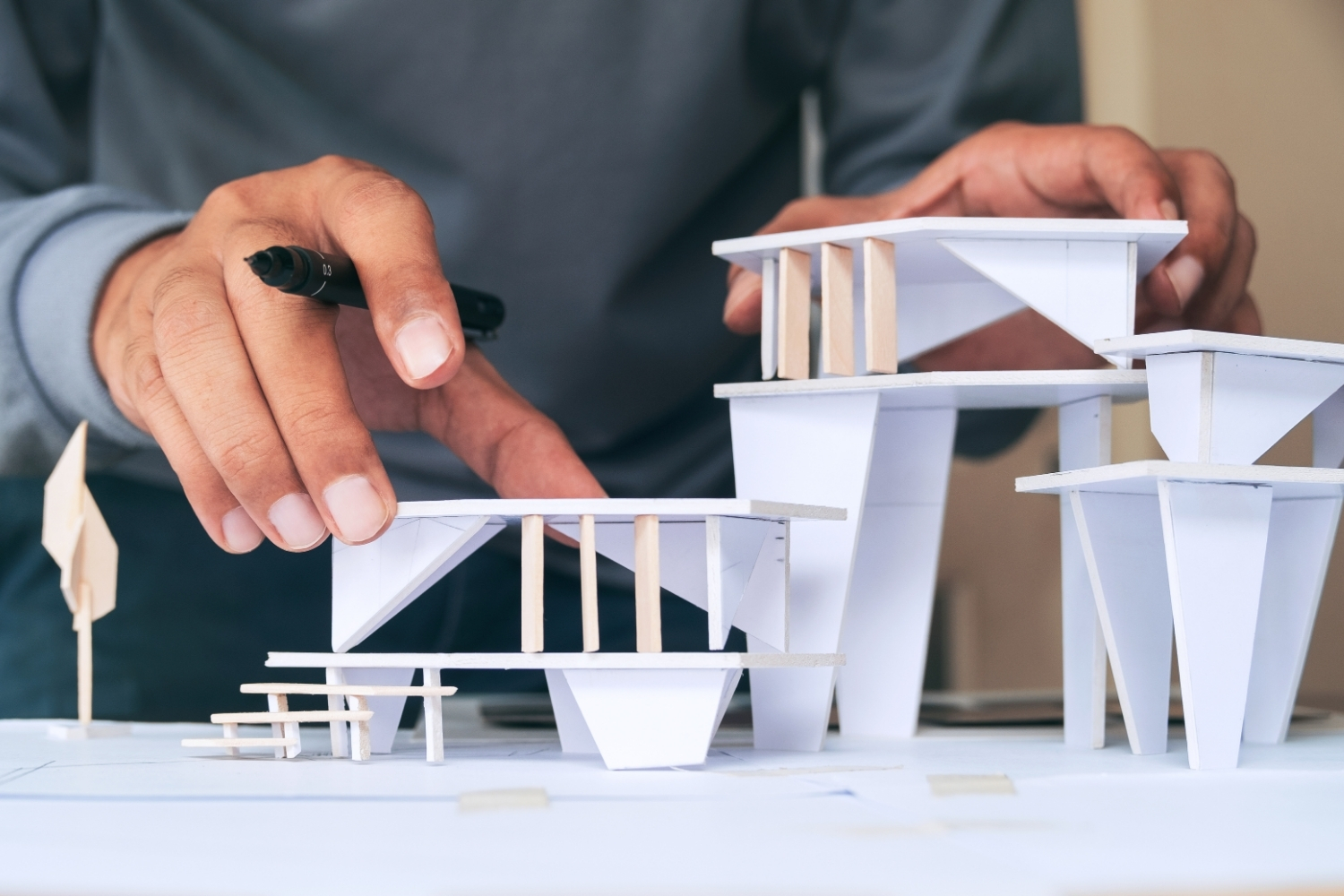
Stand to the side of your work rather than in front of it, and point at whatever you are describing. Panels follow your hand more closely than your voice. If you brought a physical model, wait to touch it until it supports the point you are making, and check our guide on building an architecture physical model for how to prepare one that survives handling.
Watch your pace. Nervous presenters speed up, which compresses the argument and forces the panel to work harder than it should. Two deliberate pauses, one after your concept sentence and one before your close, do more than any extra sheet.
💡 Pro Tip
Pick the three weakest parts of your scheme before the review and prepare a one-line position on each. The panel will find them anyway. Naming a limitation you already understand reads as control over the project, while improvising a defense rarely does.

How Do You Handle Jury Questions Without Panicking?
Answer in one sentence, then connect it back to your concept. Long answers drift and invite follow-ups you have not prepared for. If you do not know something, say so and describe how you would find out, which lands far better than an invented answer that unravels under the next question.
Take notes while the panel talks, or ask a friend to do it for you, because very little of what is said survives the adrenaline. It also helps to know that most schools frame criticism as being about the work rather than the person. The University of Washington’s studio culture policy states plainly that criticism in design reviews concerns the work produced and not its author.
📌 Did You Know?
Accredited US architecture schools must keep a written studio culture policy, a change that grew out of The Redesign of Studio Culture, the 2002 report by the AIAS Studio Culture Task Force. Many set expectations for how critics behave during a review, so a hostile crit is a policy question rather than bad luck.
Turning Crit Feedback Into the Next Version
Within a day of the review, sort what you heard into three piles: comments that change the design, comments that change how you present it, and comments you disagree with and can argue against. That third pile matters most. A review that leaves you with a sharper position has done its job, even when it felt rough in the room.
The habit carries into practice, where client presentations follow a similar rhythm and professional bodies such as the Royal Institute of British Architects structure work stages around that review cycle. For the material side, our guide to creating effective architectural presentations goes further into layout and sequencing.

Putting It All Together
Quick Recap:
- Write the project as one sentence and open the review with it.
- Rehearse standing up with a timer, and leave a third of the slot for discussion.
- Explain the decision behind each drawing rather than naming what the drawing is.
- Answer questions briefly, then return to your concept every time.
Frequently Asked Questions
How long should an architecture crit presentation be?
Most studio reviews give each student ten to fifteen minutes in total, and the panel expects to spend a third of that talking. Plan a spoken section of six to ten minutes and treat anything longer as a signal to cut. Confirm the format with your tutor, since final reviews and interim pin-ups run on different clocks.
What is the difference between a desk crit and a jury?
A desk crit is a working conversation with your tutor at your table, where unfinished thinking is expected and useful. A jury or final review is a formal presentation to a panel that often includes external critics. The content overlaps, but the jury asks you to defend resolved decisions rather than explore open ones.
How do you survive an architecture crit when the project is unfinished?
Present what you have as a deliberate stage rather than apologizing for what is missing. Say which questions the current work answers and which one you were testing next. Panels respond well to a student who knows exactly where the project stands, and badly to a run of excuses before the drawings.
What should you avoid saying in an architecture jury presentation?
Skip openings that undercut the work, such as saying you ran out of time or that the render did not finish. Avoid reading text off the board word for word, and avoid guessing at technical answers. Admitting that something has not been tested yet, and saying how you would test it, costs far less than a wrong number.






Why Do Architects Use Architectural Models Instead of Just Drawings?
Physical architectural models remain a core tool even in a digital studio....
 Furkan Sen6 Mins read
How to Make an Architecture Mood Board: A Step-by-Step Guide
A practical walkthrough for building an architecture mood board, covering how to...
Furkan Sen6 Mins read
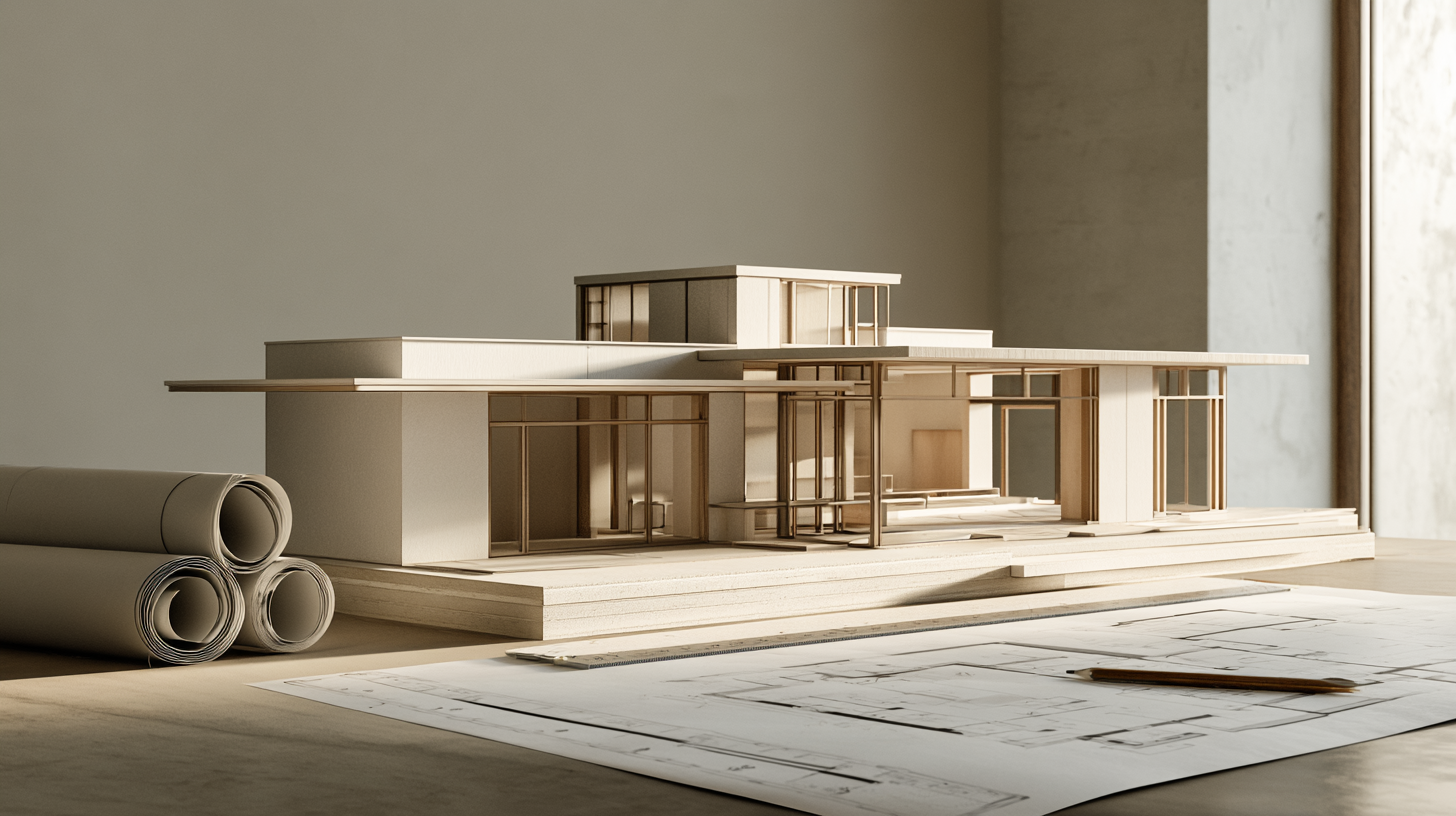
How to Build an Architecture Physical Model From Scratch
Building an architecture physical model from scratch takes the right scale, tools,...
Furkan Sen6 Mins read
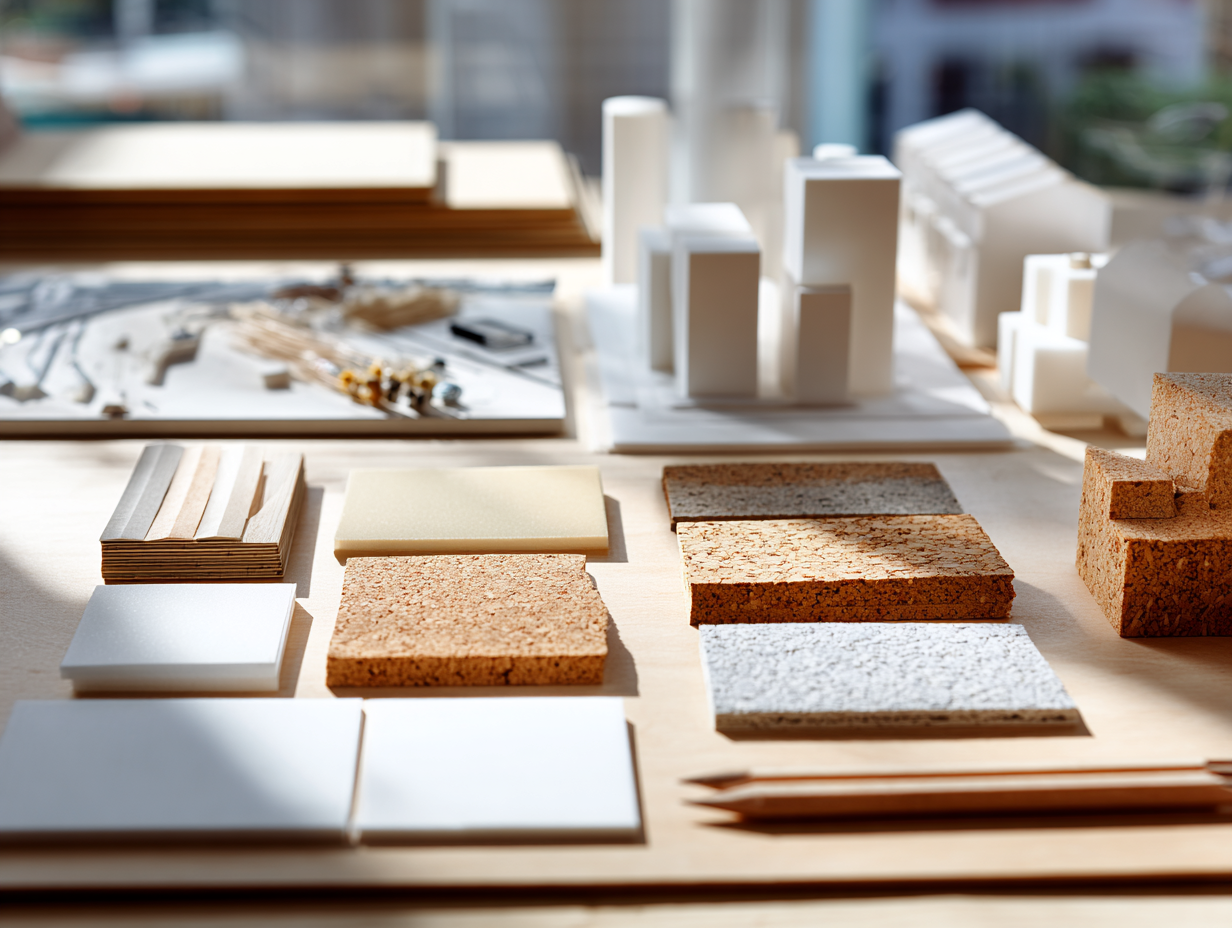
7 Affordable Model Making Materials and Where to Find Them
A practical look at seven budget-friendly model making materials for architecture projects....
Furkan Sen9 Mins read




Leave a comment