

Cultural Landscape: Definition, Categories and Examples
Some places cannot be understood as either natural or built, because the two are inseparable. How cultural landscapes are defined, categorised and protected, with examples.
 illustrarch Editorial Team23 November 20268 Mins read2
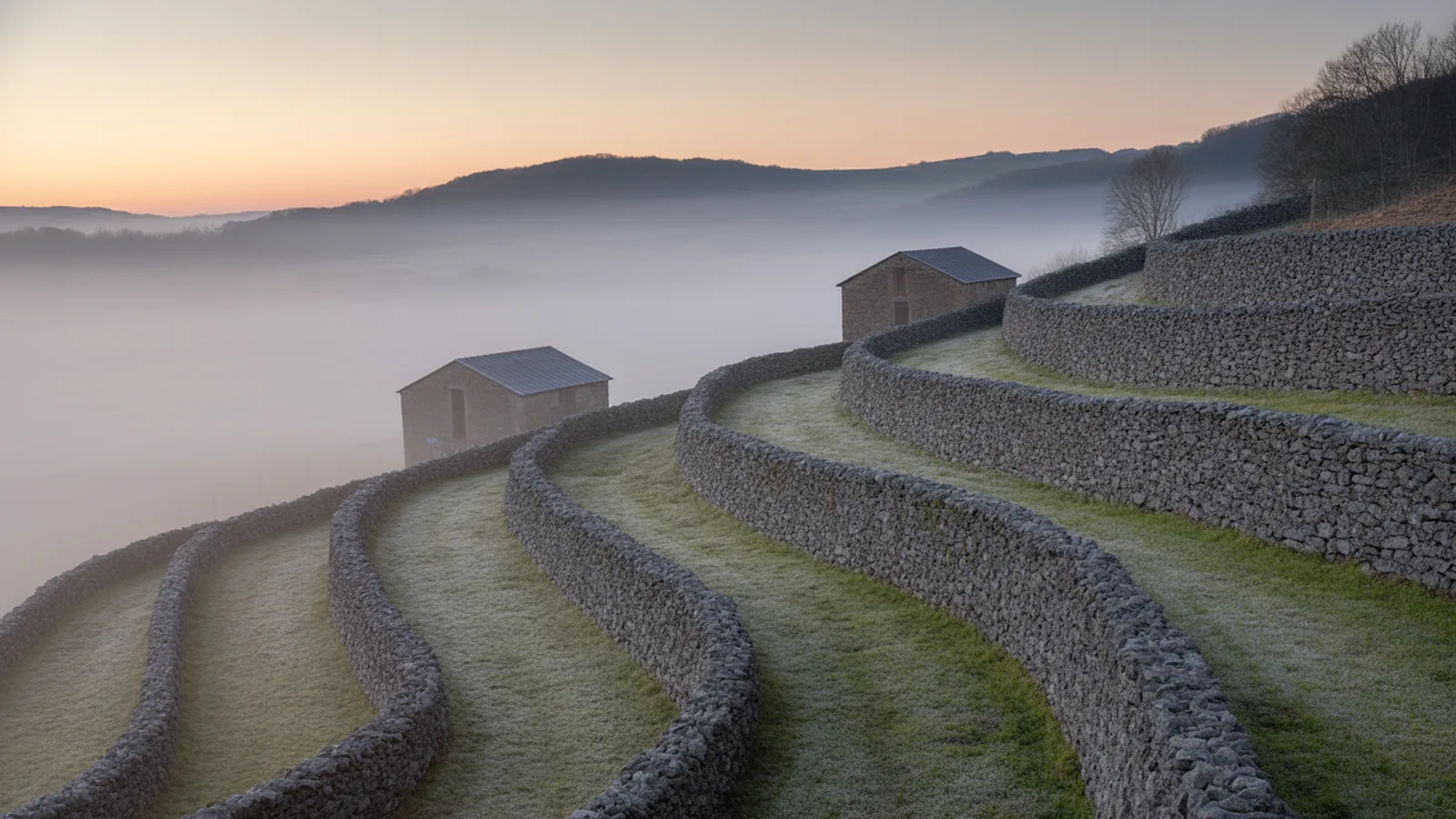
Table of Contents Show
A cultural landscape is a place shaped by the combined work of nature and people over time, where the human activity and the natural setting cannot be separated without destroying what makes the place significant. Rice terraces, vineyards, designed parks, sacred mountains and industrial valleys are all cultural landscapes.
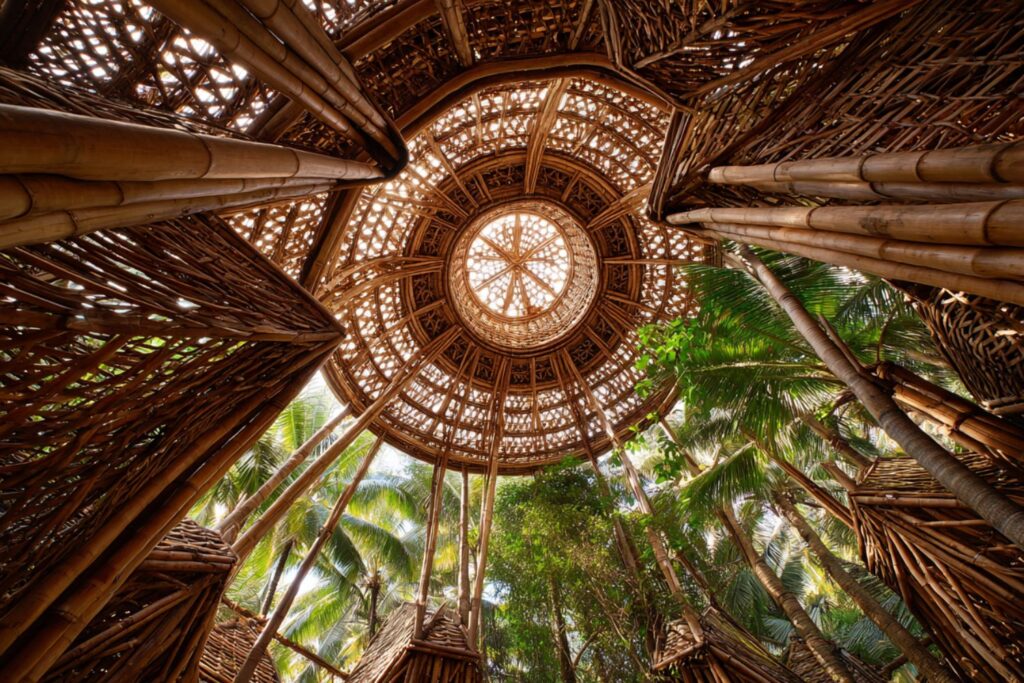
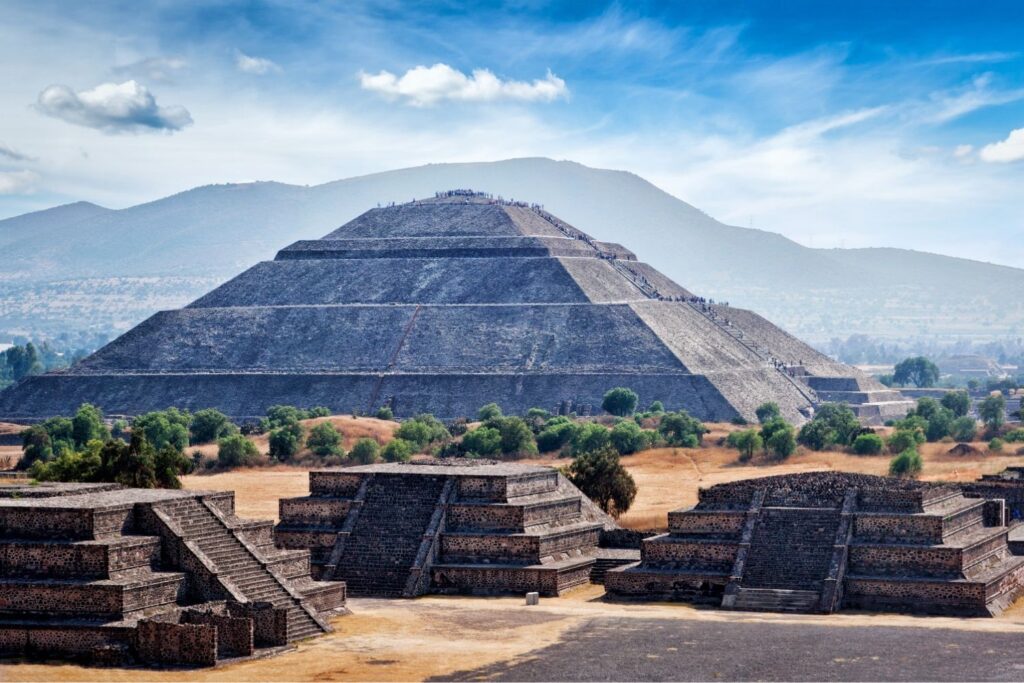

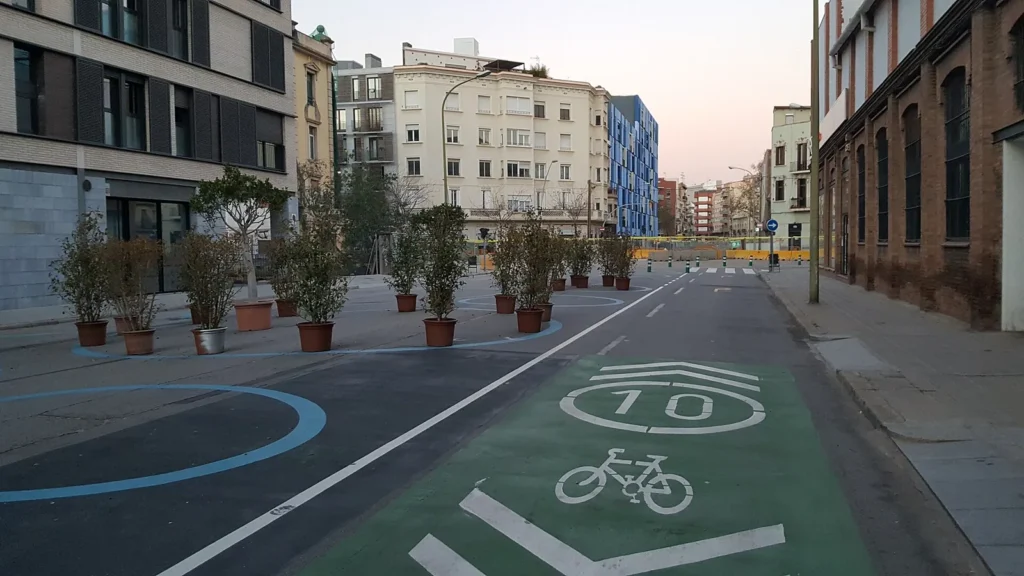
The concept exists because ordinary heritage categories could not hold it. A building can be listed, a monument can be fenced, an archaeological site can be excavated. But a valley where the terraces, the water system, the crops, the settlements and the practices that maintain them are one continuous artefact needs a different kind of protection. This guide covers where the idea came from, the official classifications, real cultural landscape examples with their designations, and what the relationship between landscape and culture means for anyone building in one.
Where the Concept Came From
The term entered academic geography with Carl Sauer, whose “The Morphology of Landscape” (1925) argued against the environmental determinism dominant at the time. Sauer’s formulation was compact and is still quoted: culture is the agent, the natural area is the medium, and the cultural landscape is the result. Climate and geology set the possibilities; a culture chooses among them, and what you see is the record of those choices accumulated over centuries.
That argument sat in geography departments for sixty years before it reached heritage policy. The move happened in 1992, when the World Heritage Committee adopted cultural landscapes as a category, making the Convention the first international legal instrument to recognise and protect them. Mechtild Rössler’s account of the category’s development traces how the category was drafted and what it was intended to fix: a list that had become dominated by monumental European architecture and had no way to recognise places whose significance lay in a sustained relationship between a community and its land.
📌 Did You Know?
The category was created partly in response to a specific failure. Sites of profound significance to indigenous and local communities kept being rejected because their value was associative rather than built. There was nothing monumental to point at. The cultural landscape category, and in particular its associative class, exists to make those places inscribable.
The Three UNESCO Categories
UNESCO’s cultural landscape category divides them into three classes, set out in the Operational Guidelines. The distinction is not academic: it determines what conservation is supposed to protect, and getting it wrong produces the wrong management plan.
| Category | Definition | What conservation must protect | Example |
|---|---|---|---|
| Designed | A landscape designed and created intentionally, usually for aesthetic reasons and often associated with a building or estate. | The design intent: layout, sightlines, planting structure, the relationship to the architecture. | Royal Botanic Gardens, Kew |
| Organically evolved: relict | A landscape whose evolutionary process ended at some point in the past, but whose significant features remain visible. | The physical remains and their legibility. Nothing is being continued, so the task is arrest and interpretation. | Blaenavon Industrial Landscape |
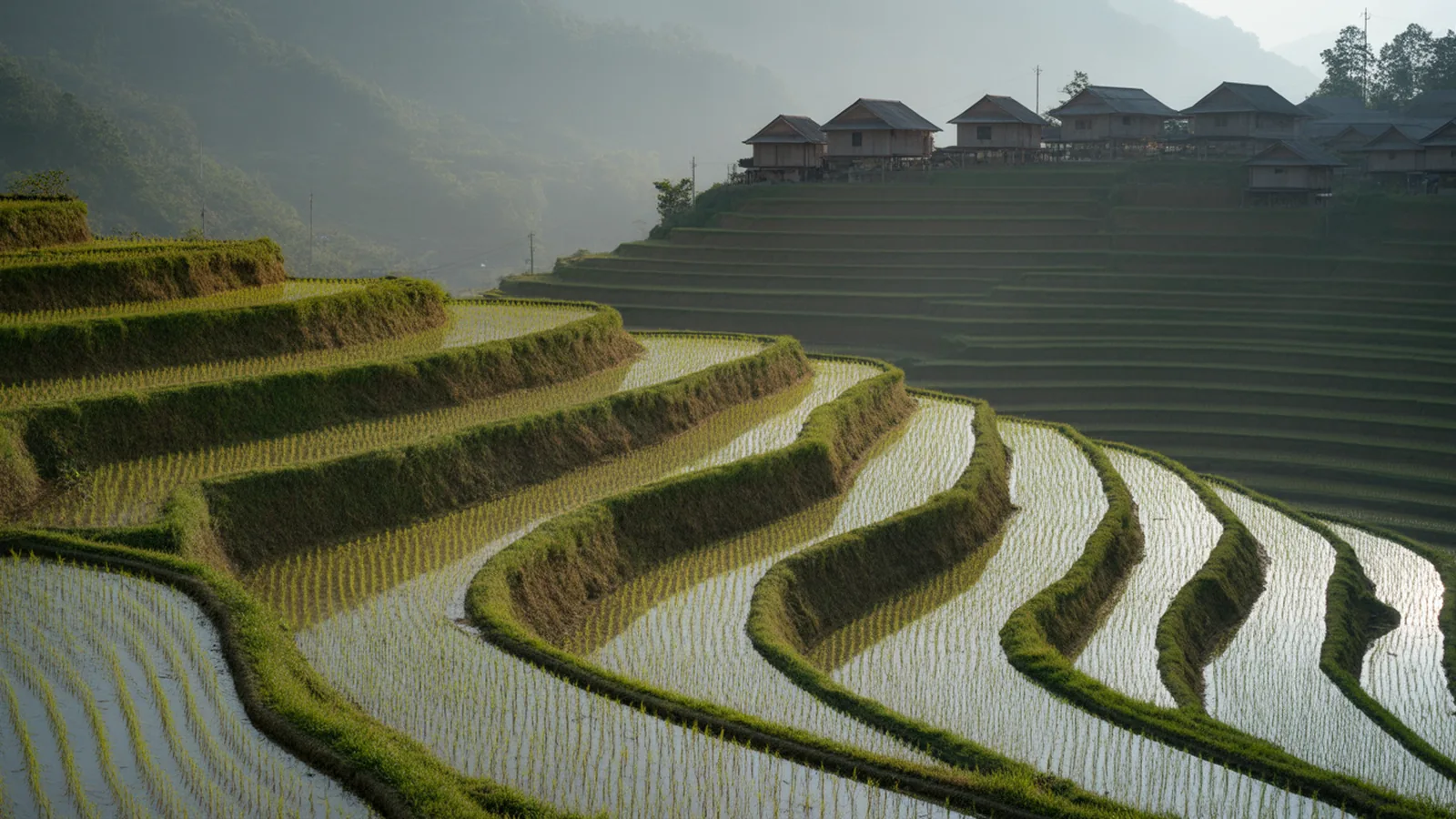
| Organically evolved: continuing | A landscape that retains an active social role in contemporary society, still evolving, with its evolutionary process still in progress. | The practice, not just the fabric. If the farming stops, the landscape goes, however well the terraces are repaired. | Rice Terraces of the Philippine Cordilleras |
| Associative | A landscape justified by powerful religious, artistic or cultural associations with the natural element, rather than by material cultural evidence. | Access, meaning and the relationship of a community to the place. Physical intervention can destroy the value without touching anything. | Tongariro National Park |
Tongariro is the category’s founding case. It was already a World Heritage site for its natural values when it was re-inscribed in 1993 as the first associative cultural landscape, recognising the significance of its volcanic peaks to the Māori people. That re-inscription is the moment the category stopped being theoretical.
The continuing category is the one that causes the most trouble in practice, and a 2022 review of thirty years of World Heritage cultural landscapes documents why: it requires protecting a living economy. A conservation regime that freezes building form while the agriculture underneath becomes unviable will lose the landscape anyway, more slowly and with better paperwork.
⚠️ Common Mistake to Avoid
The commonest error is treating a continuing landscape as if it were a relict one. Repairing the terraces at Val d’Orcia while the people who farm them leave for city wages preserves the object and loses the landscape. The correct question for a continuing cultural landscape is not “how do we conserve this fabric” but “what would make maintaining it worth someone’s while”.
The American Classification: Four Categories, Different Logic
The United States built its own system, and it does not map cleanly onto the UNESCO one. the National Park Service’s four cultural landscape categories are:
- Historic designed landscape: consciously laid out by a designer, in a recognised style or tradition. Corresponds closely to the UNESCO designed class.
- Historic vernacular landscape: shaped by the activities of the people who used it, where the physical form reflects use, tradition and available materials rather than a design. Roughly the UNESCO organically evolved class.
- Historic site: significant for its association with a historic event, activity or person. No UNESCO cultural landscape equivalent, since this is closer to a conventional heritage site.
- Ethnographic landscape: containing natural and cultural resources that associated people define as heritage. Overlaps the UNESCO associative class.
The practical American document is Preservation Brief 36, which sets out how to actually survey and treat one. It is the most useful free methodology available, and it applies well beyond the United States, because the survey sequence, identify the character-defining features, understand the process that created them, then decide the treatment, is not jurisdiction specific. For finding examples and precedent, The Cultural Landscape Foundation’s catalogue of places is the most complete catalogue in English.
Reading a Cultural Landscape: The Character-Defining Features
Both systems converge on the same practical method. You are looking for the features that, if removed, would end the significance. The categories below are the standard survey headings, with the question each one answers.
| Feature category | What to record | The question it answers |
|---|---|---|
| Land use and activity | What the land is used for and by whom, including seasonal and ceremonial use. | Is this landscape continuing or relict? Everything else follows from this. |
| Spatial organisation | Field patterns, enclosure, the relationship between settlement and worked land. | What logic laid this out, and is that logic still operating? |
| Response to natural features | How slope, water, aspect and geology were worked with or against. | Which constraints shaped the form, and have any of them changed? |
| Circulation | Tracks, droveways, canals, terraced access routes. | How does the landscape function as a system rather than a picture? |
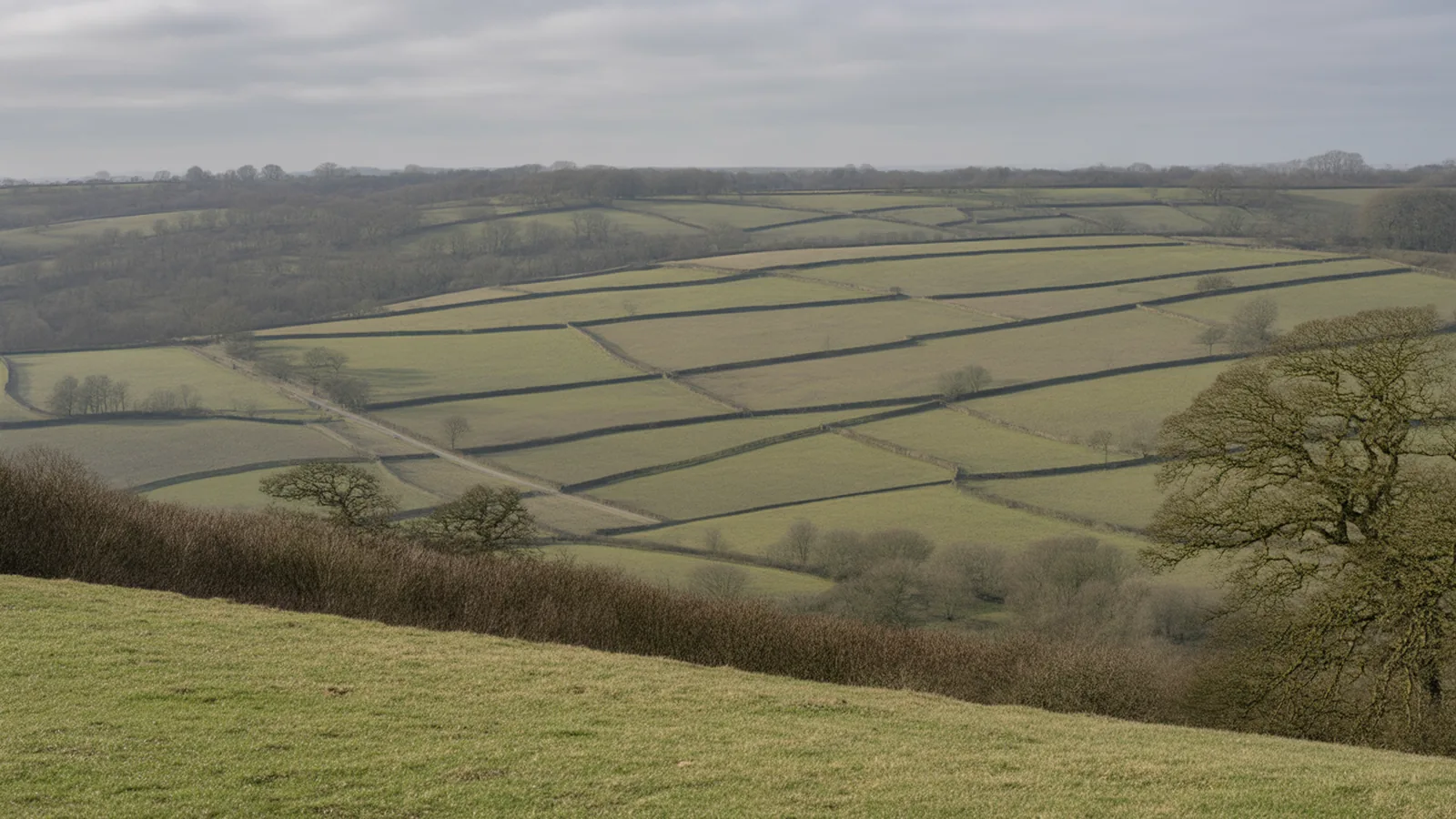
| Vegetation | Crops, managed woodland, hedgerows, individual specimen trees. | What is maintained deliberately and what has grown in since maintenance stopped? |
| Buildings and structures | Farmsteads, walls, mills, water infrastructure, boundary markers. | Which structures serve the land use and which are independent of it? |
| Small-scale elements | Gates, markers, shrines, steps, signage. | Where is the accumulated evidence of daily practice? |
| Views and visual relationships | Sightlines within the landscape and to features outside it. | What would a new building on the ridge actually interrupt? |
💡 Pro Tip
Run the survey in that order, and stop after the first row until you have a definite answer. Whether the landscape is continuing or relict changes every subsequent judgement. In a continuing landscape, a new agricultural building that supports the practice may be appropriate where a sensitively detailed visitor centre is not. In a relict landscape the reverse is usually true. Teams that survey the fabric first and ask about the land use last routinely produce the wrong answer with excellent drawings.
Landscape and Culture: What It Means for Design
Building in a cultural landscape is different from building in a conservation area, and the difference is worth stating plainly.
The significance is horizontal, not vertical. In a historic town centre, significance concentrates in facades and street walls. In a cultural landscape it is distributed across the ground plane, and the damaging intervention is often the one that severs a relationship, a culverted stream, a severed droveway, a field boundary removed for machinery, rather than the one that is visible.
Local building traditions are part of the evidence. The vernacular is not decoration in this setting; it is the record of what the landscape could supply and what the climate demanded. This is why the logic of vernacular building carries more weight in a cultural landscape than an equivalent stylistic argument would elsewhere.
Change is expected, but its rate is not. A continuing landscape has always changed; that is what continuing means. What damages it is a change faster than the practice can absorb, which is the same mechanism that operates in gentrification at urban scale. A hillside of holiday lets and a gentrified inner suburb fail in structurally similar ways.
Legibility applies here too. The paths, edges and landmarks that let people read a city, described in Kevin Lynch’s work on the image of the city, are exactly the features a cultural landscape survey records. The vocabulary transfers almost unchanged.
🎓 Expert Insight
The strongest position for a new building in a cultural landscape is usually to be legible as new while continuing the landscape’s operating logic: the same relationship to slope, the same orientation to water and sun, the same footprint discipline, in materials that do not pretend to be old. Pastiche fails because it makes the historical record unreadable. Indifference fails because it breaks a working system. Reading a landscape that was engineered as a single cultural artefact shows both failures at scale.
This page covers the designation: what a cultural landscape is, how it is classified and what that means for conservation. For the design-side question of how a landscape architect works with cultural context on a live project, see our guide to culture and landscape architecture.
Terms Cultural Landscape Is Confused With
| Term | What it means | How it differs |
|---|---|---|
| Landscape architecture | The discipline of designing outdoor space. | A practice. A designed cultural landscape may be its product, but most cultural landscapes had no designer. |
| Natural landscape | A landscape whose form is not the result of human activity. | The category cultural landscape was invented to sit between this and built heritage. Genuinely unmodified landscapes are rare. |
| Historic landscape | A general term for a landscape with heritage value. | Informal. Cultural landscape is a defined designation with criteria attached. |
| Vernacular architecture | Building traditions using local materials and inherited knowledge. | Buildings rather than land. Vernacular buildings are usually a component of a vernacular landscape. |
| Genius loci | The distinctive spirit or character of a place. | A quality, not a designation. Useful in discussion, unusable in a management plan. |
| Cultural heritage | The full range of inherited cultural assets. | The parent category. Cultural landscapes are one class within it. |
| Setting | The surroundings in which a heritage asset is experienced. | Defined relative to something else. A cultural landscape is significant in itself. |
The Short Version
A cultural landscape is a place where human activity and natural setting have produced something neither could alone, and where separating them destroys the significance. Carl Sauer named the idea in 1925; UNESCO turned it into a protective category in 1992, with three classes, designed, organically evolved and associative, and the US National Park Service runs a parallel four-part system. The single most consequential judgement in any of them is whether the landscape is still being made or has stopped, because a continuing landscape is sustained by a working practice and not by its fabric. For anyone designing in one, the useful discipline is to record the character-defining features first, identify which relationships a proposal would sever, and accept that the invisible interventions are frequently the damaging ones.


The Albanian Files Puts 500 Starchitect Projects on Record as Protests Grow in Albania
A new 800-page book collects more than 500 Albanian projects by 60...
illustrarch Editorial Team2 Mins read
Concentric Zone Model: Burgess’s Five Rings Explained
Burgess drew 1925 Chicago as five rings spreading from the business district....
illustrarch Editorial Team9 Mins read
The Third Place: Oldenburg’s Eight Characteristics Explained
Cafés, pubs, barber shops and libraries do social work that homes and...
illustrarch Editorial Team7 Mins read
andre kong studio and Wayward Turn Old Lampposts into Solar-Powered Waylamps in Barnet
Four Waylamps by andre kong studio and Wayward reuse old lampposts as...
illustrarch Editorial Team1 Mins read




Leave a comment