

Beyond the View: What Defines Well-Designed Beachfront Property in Hua Hin, Thailand?
A sea view is only the start. This guide explains what defines well-designed beachfront property in Hua Hin, from site planning and shaded terraces to ventilation, coastal materials and privacy.
 illustrarch Editoral Team29 October 20264 Mins read2

Table of Contents Show
A sea view may capture attention, but architecture determines how comfortably a coastal home can be lived in. In Hua Hin, Thailand, beachfront properties face a particular design challenge: opening interiors to the Gulf of Thailand while managing sunlight, humidity, seasonal rain, and exposure to salt.
For buyers exploring coastal homes through Location Real Estate Hua Hin, these architectural details provide a practical way to assess a property beyond its photographs. Whether considering a beachfront villa or condominium, thoughtful design can make the difference between an impressive view and a comfortable place to live.
Start With the Site, Then Frame the View
A beachfront location does not automatically create a well-designed home. Building orientation, neighboring properties, and the arrangement of rooms influence how residents experience Hua Hin’s coastline.
Large windows can beautifully frame the ocean, but extensive glazing without adequate shade may cause glare and unwanted heat, particularly in rooms exposed to afternoon sunlight.
Recessed openings, roof overhangs, and exterior screens can preserve views while helping control sunlight. The U.S. Department of Energy’s guidance on natural lighting explains how window placement and shading affect indoor comfort.
Floor plans deserve equal attention. A sea-facing living room may be appealing, but buyers should consider whether bedrooms offer privacy and whether the kitchen connects conveniently to outdoor dining.
When viewing a property in Hua Hin, check its orientation, surrounding buildings, and how sunlight enters the main rooms. A well-positioned home should balance coastal views with comfortable everyday living.
Make Outdoor Spaces Comfortable Enough to Use
Terraces and balconies are important features of Hua Hin’s beachfront villas and condominiums, but their value depends on more than their dimensions.

An exposed terrace may look attractive in photographs yet offer limited comfort during strong sunshine or wind-driven rain.
Covered areas, sheltered seating, and adjustable screens can make outdoor spaces usable in different weather conditions.
Depth also matters. A narrow balcony may accommodate two chairs, while a larger terrace can provide enough room for dining and entertaining.
For beachfront villas, the relationship between the living room, swimming pool, and outdoor dining area deserves particular attention. A shaded terrace beside the kitchen may be more practical than a larger deck with little protection from the sun.
During a property viewing, examine drainage, shade, and wind exposure rather than judging outdoor areas solely by their appearance.
Evaluate Ventilation and Indoor Comfort
An open-plan interior is not necessarily a well-ventilated one. Effective airflow requires suitable openings, clear circulation paths, and an understanding of local conditions.
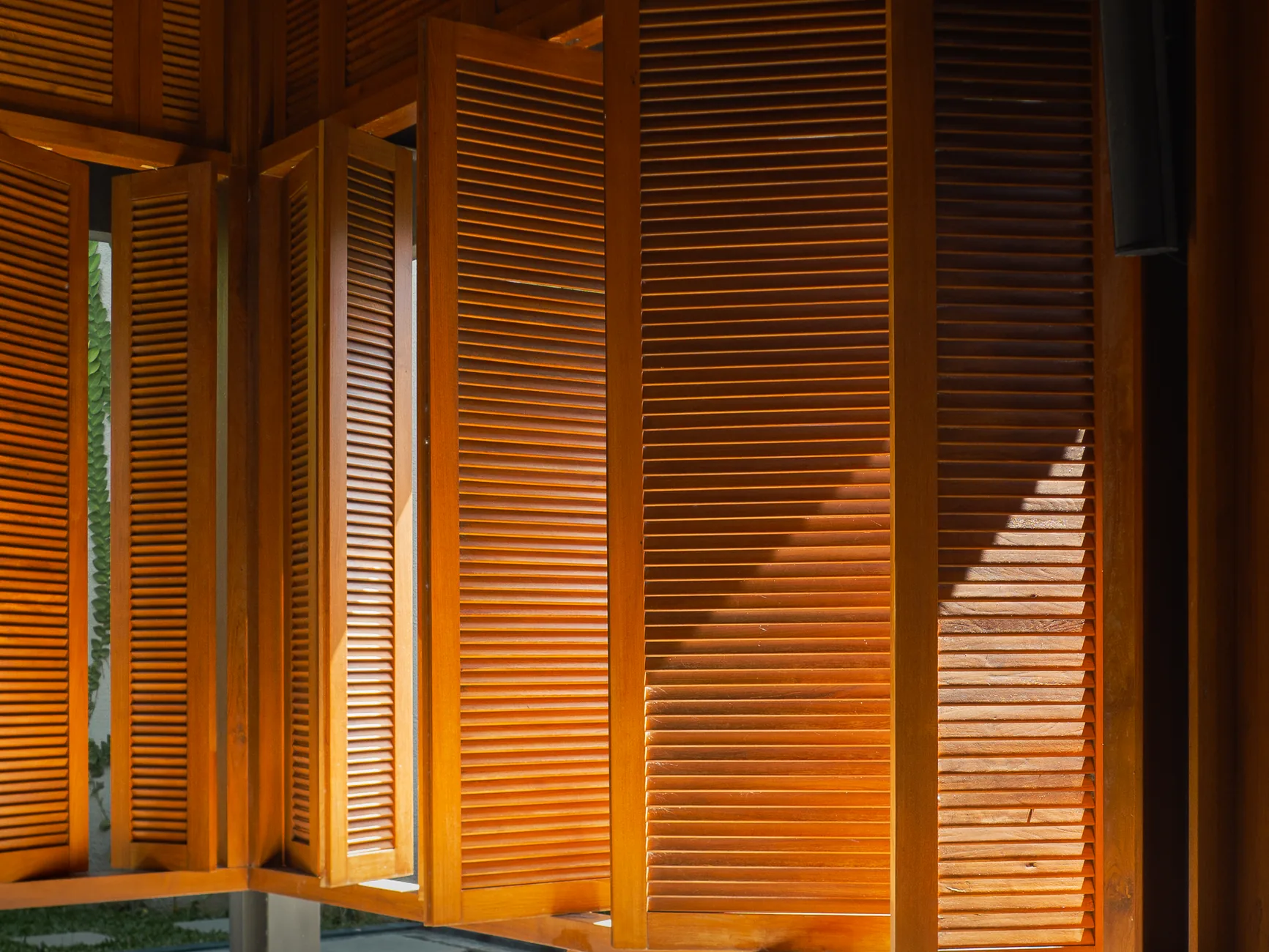
In Hua Hin’s warm coastal climate, windows positioned on different sides of a room may encourage cross-ventilation when outdoor conditions allow. Ceiling fans and shaded openings can also improve comfort.
However, beachfront homes must function when windows are closed because of heavy rain, humidity, noise, or strong winds.
Appropriate cooling systems and moisture management are therefore important alongside natural ventilation.
Buyers should test air-conditioning systems, inspect window seals, and look for signs of persistent condensation or dampness, particularly in rooms that receive limited natural airflow.
A comfortable coastal home should perform well throughout the year, not only when the weather allows doors and windows to remain open.
Choose Materials With Coastal Maintenance in Mind
Salt, moisture, and strong sunlight can gradually affect the materials used in Hua Hin’s beachfront properties.
Window frames, metal railings, exterior lighting, and exposed hardware deserve particular attention because they experience frequent environmental exposure.
Rather than accepting broad descriptions such as “premium materials,” buyers should ask about specific products, finishes, and maintenance requirements.
Even corrosion-resistant materials require regular care, particularly in coastal environments where salt deposits and humidity can accelerate deterioration. Choosing suitable materials and protective finishes can help reduce maintenance problems over time.
Installation details matter as well. Poor drainage, damaged coatings, and inaccessible joints can make maintenance more difficult.
During inspections, look for staining around railings, deterioration of exterior finishes, and evidence of water entering around doors or windows.
For new properties, request specifications and maintenance information. For existing homes, ask about previous repairs and recurring problems.
Balance Ocean Views With Everyday Privacy
Extensive glazing can strengthen the connection between a home and Hua Hin’s coastline, but it can also expose interiors to neighboring buildings or shared spaces.
Privacy becomes especially important in beachfront condominium developments, where balconies may face adjacent units, swimming pools, or communal facilities.
Thoughtful design can manage these relationships through angled screens, planting, recessed terraces, and carefully positioned windows.
Buyers should consider what can be seen from outside the property, particularly into bedrooms and main living areas.
For private villas, boundary walls, landscaping, and the position of neighboring buildings can affect whether outdoor areas feel genuinely secluded.
Illustrarch’s discussion of designing coastal apartments highlights how space planning, material choices, and airflow influence the experience of coastal living.
A well-designed beachfront home should allow residents to enjoy the ocean without feeling constantly exposed.
Look Beyond the Main Living Areas
The entrance, storage, and utility spaces rarely receive the same attention as a sea-facing living room. Nevertheless, they reveal how carefully a coastal home has been planned.
Storage for beach equipment, a practical laundry area, and a place to leave sandy footwear can simplify daily routines.
A sheltered entrance is particularly useful during seasonal rainfall, while accessible service areas make maintenance easier.
In Hua Hin’s condominium developments, shared corridors, elevators, parking areas, and access routes also deserve inspection.
Buyers should consider the condition and accessibility of shared facilities, especially where swimming pools, landscaped gardens, or beachfront amenities require ongoing maintenance.
These practical details may not feature prominently in property photographs, but they influence the experience of living there.
A Better Way to Assess Beachfront Living in Hua Hin
Hua Hin’s beachfront properties offer a distinctive connection to the Gulf of Thailand, but their lasting appeal depends on more than location.
Shade, ventilation, privacy, durable materials, and practical layouts determine how comfortably a home functions in the local coastal environment.
For buyers considering a villa or condominium in Hua Hin, examining these architectural details alongside the sea view provides a clearer understanding of the property’s long-term suitability.
A successful beachfront home does not simply overlook the ocean. Its design makes coastal living comfortable, practical, and enjoyable.






Off-Plan Villas in Hua Hin, Thailand: What to Look for Before You Buy
Buying a villa before it is built means judging location, layout and...
illustrarch Editoral Team3 Mins read

What Crime Maps Don’t Tell You About Choosing a Safe Place to Live
Crime maps show reported incidents, not how a street feels at night....
illustrarch Editoral Team3 Mins read

How Developers Are Building Package Rooms Into New Multifamily Properties
Parcel volume now shapes a multifamily ground floor as much as parking...
illustrarch Editoral Team3 Mins read

How Much Does It Cost to Hire an Architect for a House Extension?
A clear look at the cost to hire an architect for a...
 Sinan Ozen7 Mins read


Leave a comment