

Inspirational Stories #21: Brick Visual
In the 21st edition of our Inspirational Stories series, Gyula Maróti of Brick Visual explains how the Budapest studio turns an architect's design intent into images, films and real-time experiences, and where AI and the artist meet.
 Elif Ayse Sen25 November 20267 Mins read1
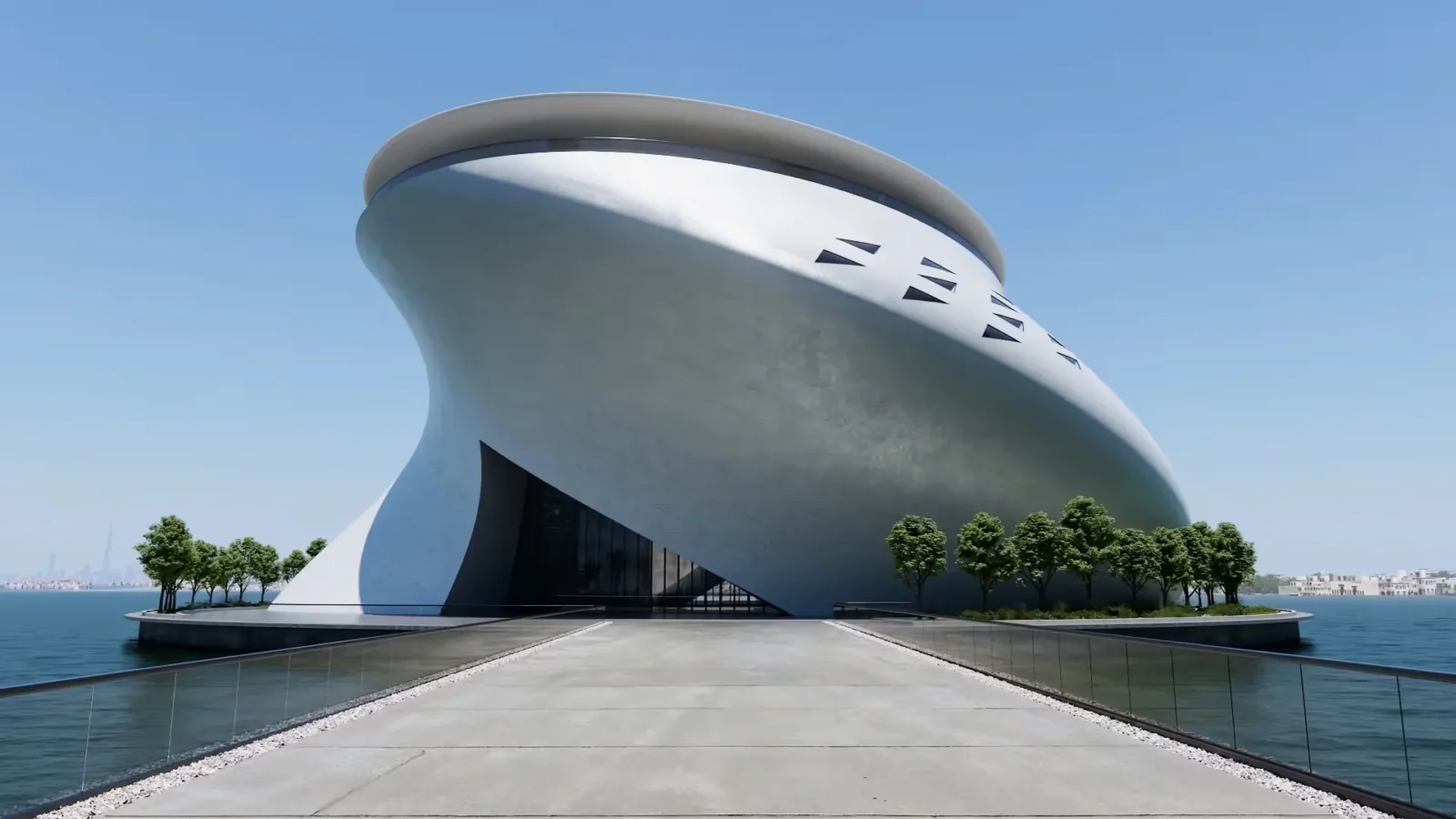
Table of Contents Show
In the 21st edition of our Inspirational Stories series, we are pleased to feature Brick Visual, @brickvisual on Instagram, the architectural visualization studio founded in Budapest in 2012 by three architect friends and artists. Since then the studio has delivered more than 8,000 projects for over 500 clients and has grown into a team of more than 100 people, producing stills, films, real-time experiences and interactive sales tools for practices such as Kengo Kuma and Associates, Tadao Ando and BIG, as well as for developers around the world.
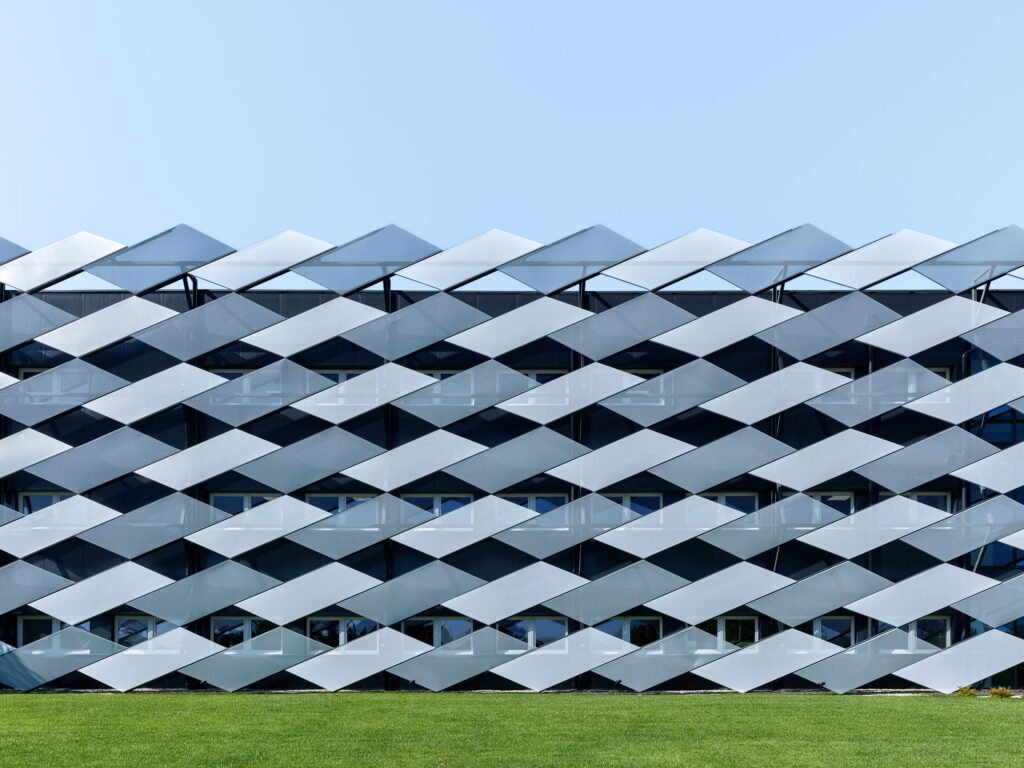

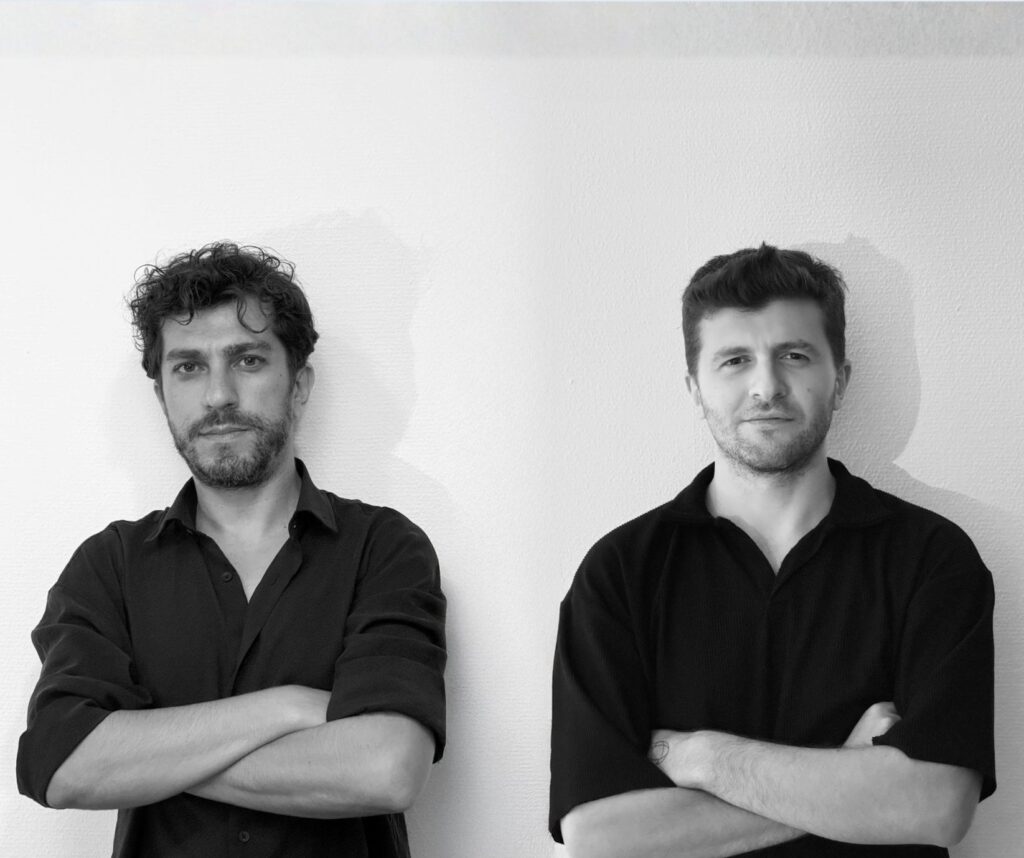

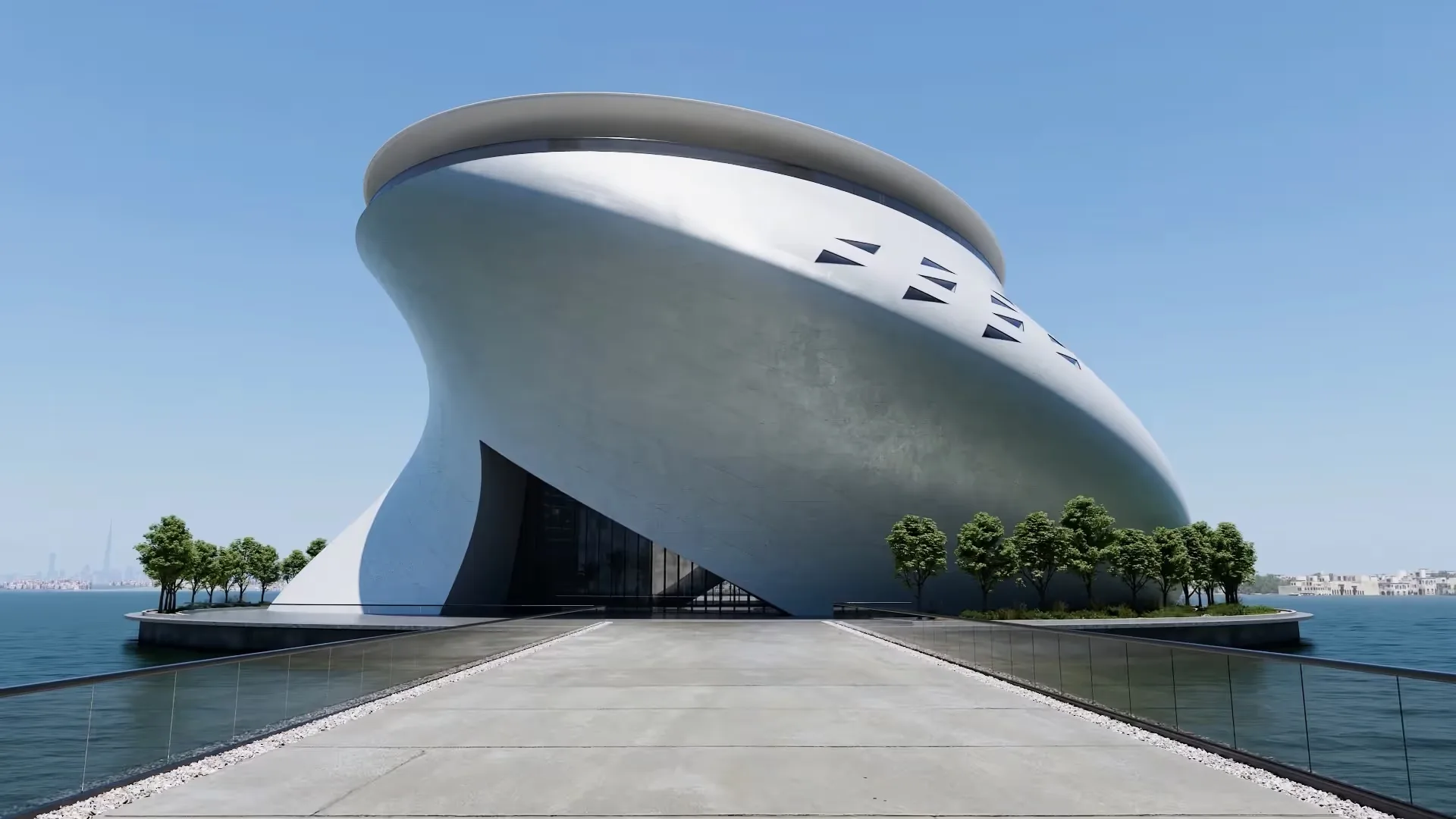
Our questions were answered by Gyula Maróti, Brand Manager and Senior 3D Artist at Brick Visual. In this conversation he talks about how the studio grew one returning client at a time, how an architect’s design intent becomes an image or a film, why real-time tools have turned visualization artists into hosts, where AI fits in the daily workflow, and what Brick looks for in the next generation of artists.

Brick Visual started in 2012 and has since delivered more than 8,000 projects for over 500 clients. How did the studio begin, and how did it grow into a team of more than 100 people?
Gyula Maróti: Brick Visual was founded in 2012 by three architect friends and artists in Budapest, driven by a shared belief that architectural visualization could be more than just technical documentation. It could tell stories, create emotion and help great ideas get built.
Extensive growth was never the goal in itself. It came, quite simply, from clients returning and bringing new challenges with them. Each project raised the bar a little higher, and the work gradually opened doors to international competitions, landmark developments and collaborations with some of the world’s most respected architecture practices.

As the projects grew in ambition, so did the team. Today we’re more than 100 people, and our role has expanded well beyond producing images: we work as a creative and technology partner to our clients, advising them on what we believe their project needs, which we then have the skills, experience and capacity to design and create for them. Somewhere along the way, 8,000 projects happened.
Looking back, the numbers are less important to us than what stayed the same. We still approach every brief with the same curiosity and the same respect for the architecture we’re entrusted with. And we still think the next project could be our best one.
You present projects for leading architects such as Kengo Kuma and Associates and Tadao Ando, and for developers on very large projects. How do you translate an architect’s design intent into an image or a film, and how does the process change when the client is a developer?
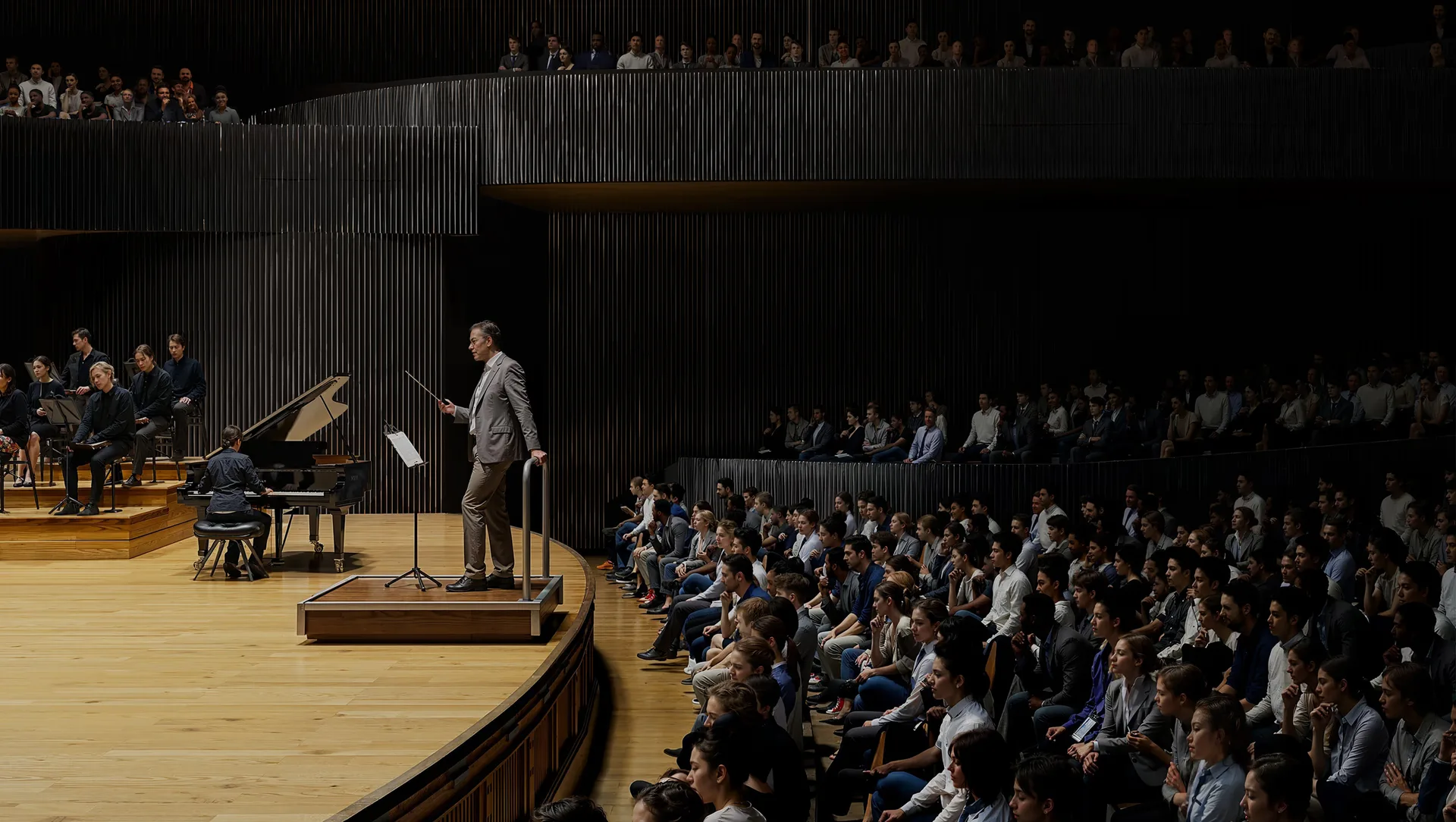
Gyula Maróti: With architects, everything starts with listening. Before we think about cameras or lighting, we try to understand what the building is really about: the idea behind the form, its relationship to the site, the experience the architect wants people to have. A practice like Kengo Kuma and Associates or Tadao Ando’s studio has a distinct design language, and our job is to respect it, not overwrite it. The best compliment we can receive is an architect telling us the image feels like their building, not ours.
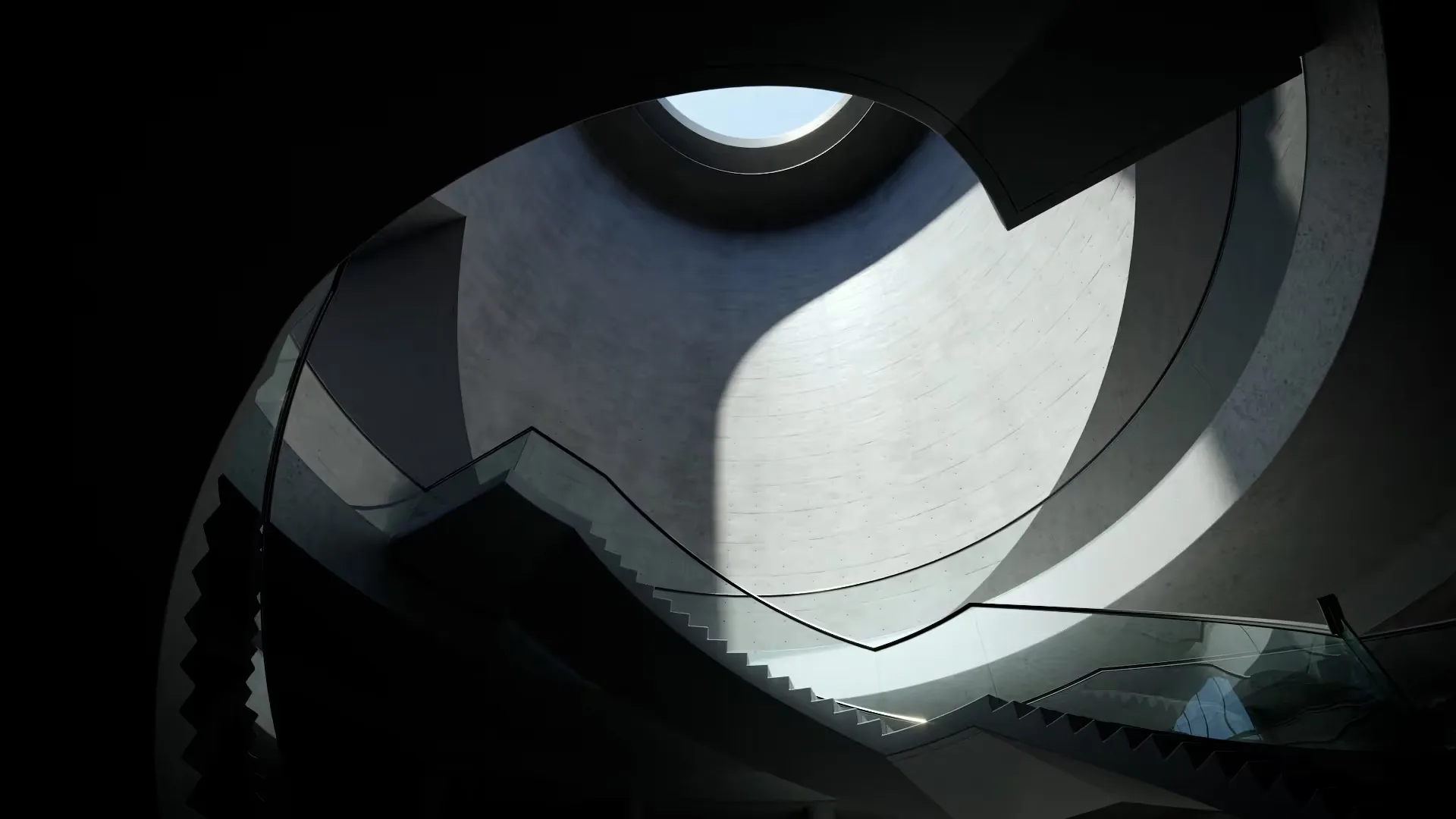
Then comes storytelling, which has always been at the heart of our work. Every project has a story worth telling, even when the design is modest or the setting unremarkable. Through light, atmosphere, people and the small moments of everyday life, we look for what makes a place human, and breathe life and emotion into it. Sometimes that’s where our work matters most.
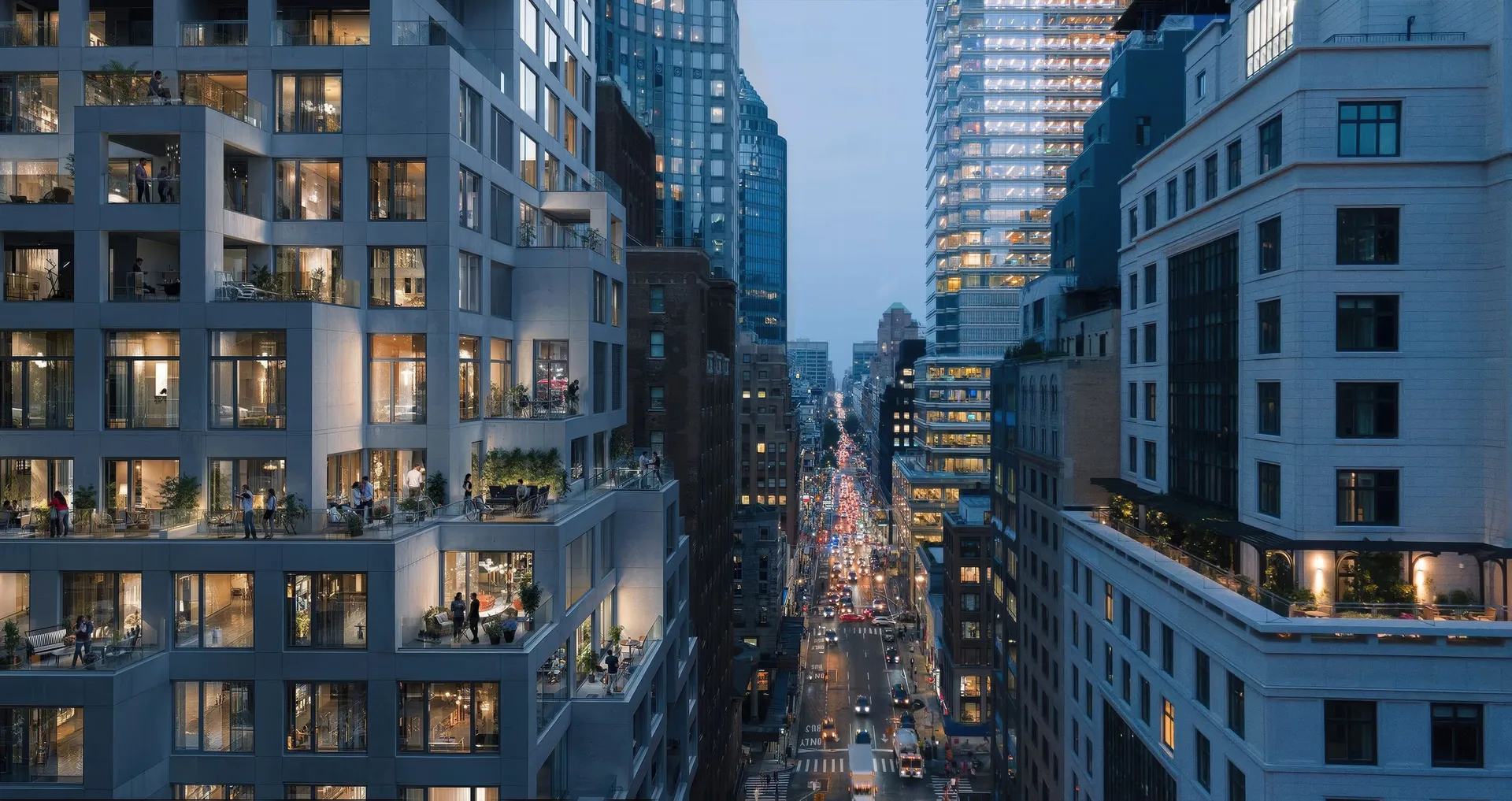
With developers, the architecture remains the foundation, but the story needs to reach further: to future buyers, tenants and investors. The question shifts from “what is this building about?” to “why would someone want to be here?” In the end, both clients want the same thing: for people to believe in a project. We simply help them get there, whichever path they take.
Your work now goes beyond still images to film, real-time, VR and interactive sales tools. How has this changed the way you tell the story of a building?
Gyula Maróti: A still image captures a single moment, carefully chosen to say as much as possible. Film added time: movement, rhythm, sound, the experience of arriving at a building and walking through it. Real-time and VR changed something even more fundamental. For the first time, the viewer decides where to look and where to go next.
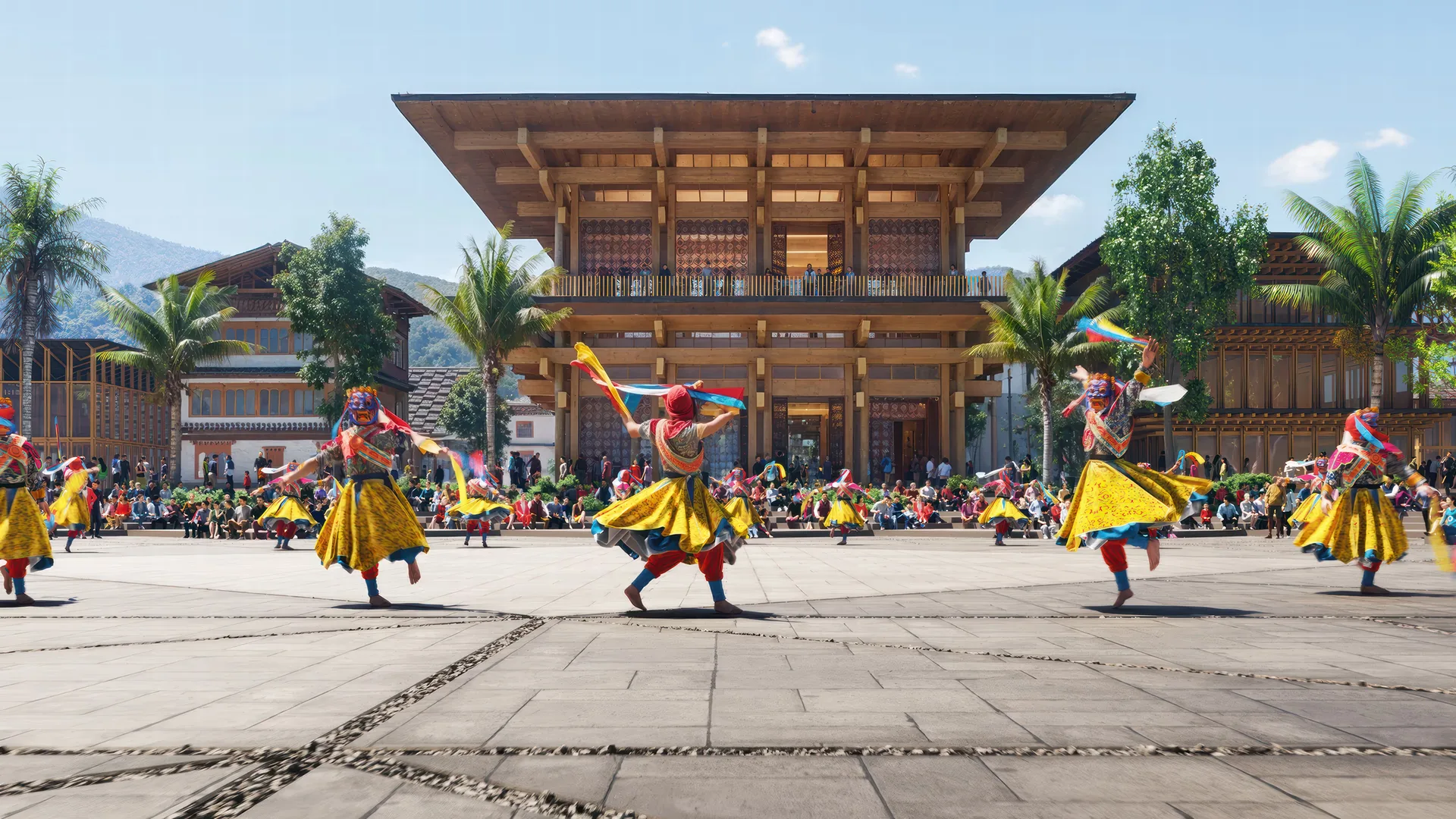
That shift has made us think less like photographers and more like hosts. We’re no longer only telling a story. We’re designing an experience in which people discover it themselves. The principles stay the same: light, atmosphere, human scale and emotion. But now they have to hold up from every angle, at any moment, because there’s no perfectly framed camera left to hide behind.
For developers, this is where the story finally reaches its real audience. Beyond images and films, we design complete presentation and sales tools: digital twins, VR experiences, interactive software and apps that let future buyers explore and fall in love with a home or an environment long before it’s built.
Still, technology is only the medium. Whether it’s a single image or an interactive app, the goal hasn’t changed since 2012: making people feel something about a place that doesn’t exist yet.
Pulze began as Brick Visual’s in-house rendering solution and has since become an independent company behind tools such as RenderFlow and Project Dream. How do you see AI and automation changing architectural visualization, and where does the artist remain essential?
Gyula Maróti: Pulze started as our in-house rendering solution, created to solve our own production challenges. It has since grown up and moved out. Today it’s an independent company with its own team and office, serving the wider CG industry with tools like RenderFlow and Project Dream. It’s still our baby, of course, but one that’s evolving and doing perfectly well without us checking in.
As for AI, it’s the most profound shift our industry has ever experienced, and it’s still accelerating. At Brick, it’s now an essential part of our daily workflow, supported by our own research and custom-developed tools. It takes care of repetitive work and lets us explore far more ideas and directions early on, leaving more time for what matters most: our clients and the architecture.
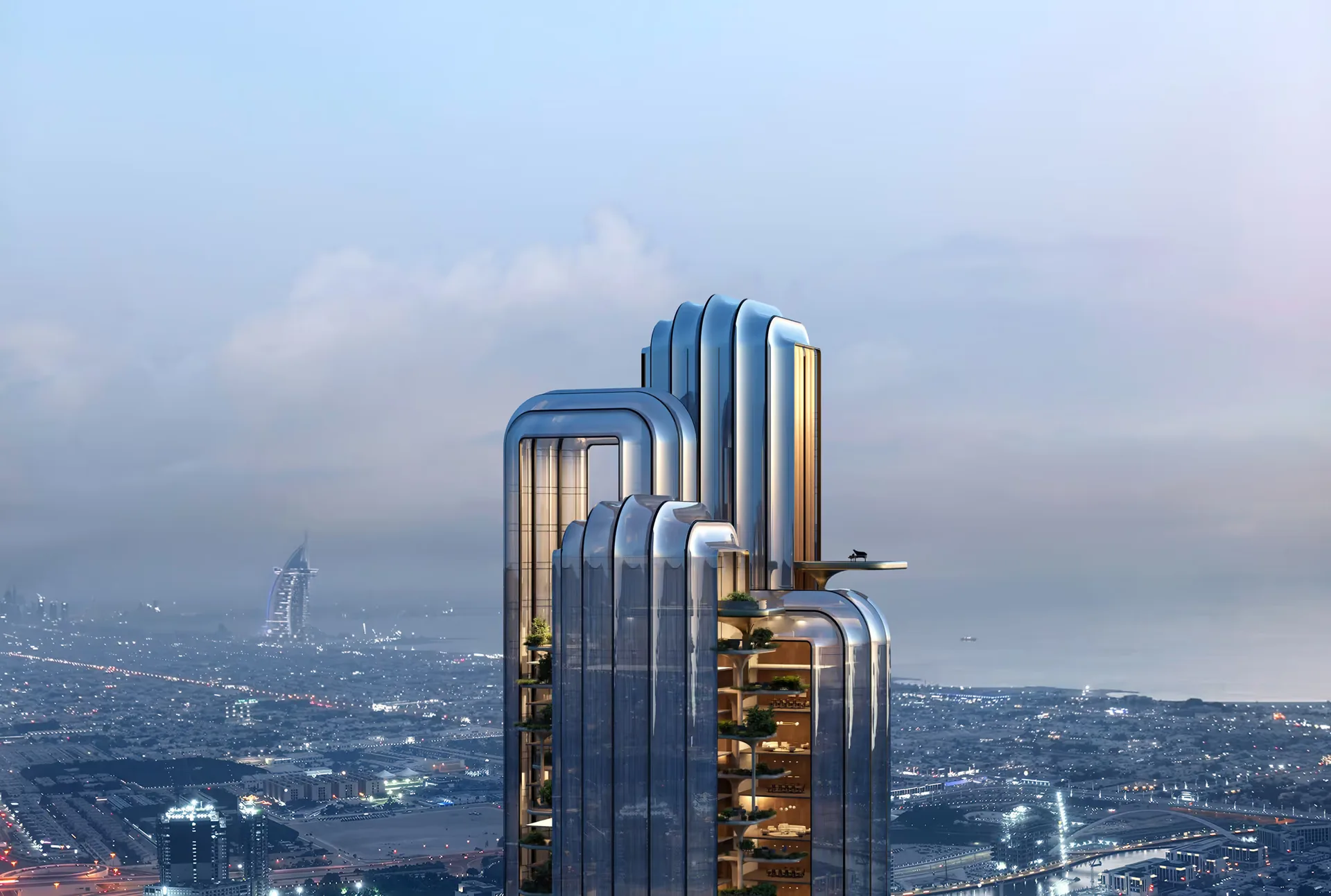
It has also changed what it means to be a 3D artist. We no longer separate “image artists” from “animation artists.” Everyone contributes to visual stories across formats, from stills and films to AI-assisted media and forms of content that didn’t exist a few years ago.
But generating an image was never really the hard part. Knowing which image is worth creating is. AI doesn’t understand why an architect placed a window exactly there, or what a building should make people feel. That judgment, along with taste and storytelling, still comes from the artist. The artists who use AI with skill and discretion will only become more valuable.
Brick Academy is dedicated to training the next generation of visualization artists. What skills and qualities do you look for in young artists joining the field?
Gyula Maróti: For almost a decade, Brick Academy has taught archviz. Now, we’re about to change the format entirely. Instead of classroom courses, we host small teams of artists at our Budapest headquarters for two-week workshops. They work on real briefs under real studio conditions, alongside our artists, producers and leadership, with bids, kick-offs, client calls and deadlines included. It’s the closest thing to working at Brick, without the job interview.
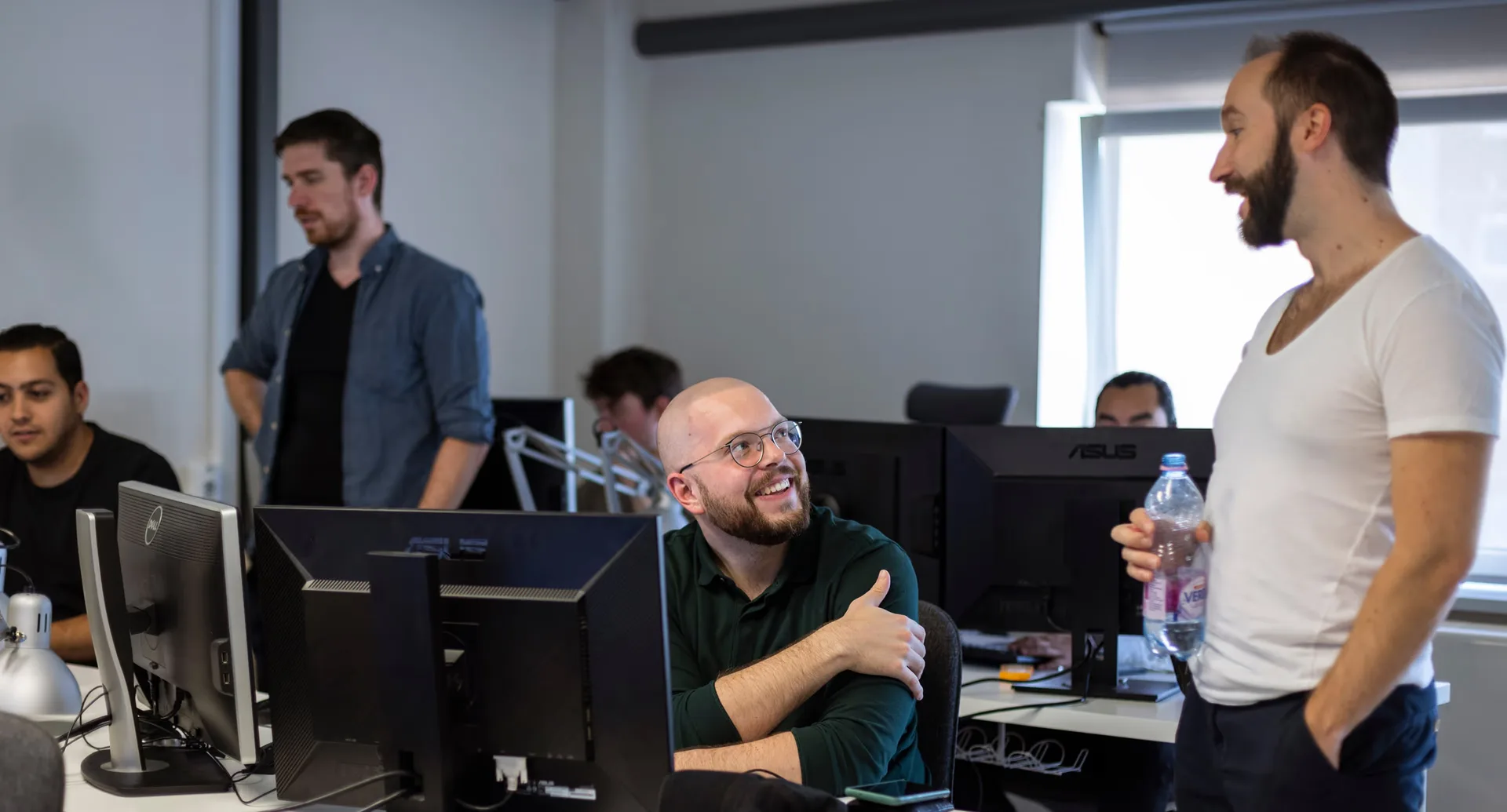
The qualities we look for there are the same ones we look for in anyone joining the field. Solid technical skills are a given, but they’re only the starting point. What really sets young artists apart is a genuine eye for the artistic side: light, composition, atmosphere and the ability to tell a story with an image.
Attitude matters just as much. We look for people who enjoy working in a team, welcome honest critique and want to understand how a project comes together, from the first brief to the final delivery. Curiosity is essential too, as artists today are expected to move between stills, animation and AI-driven work with ease.
Talent gets you noticed. Openness, reliability and a willingness to keep learning are what build a career.
What advice would you give to architecture students and young designers who want to build a career in architectural visualization?
Gyula Maróti: First, learn to see before you learn to render. Software can be mastered in months, but an eye for light, composition and atmosphere takes years to develop. Study photography, film and painting as much as archviz, because that’s where the best ideas usually come from.
Second, understand architecture. Architecture students have a real advantage here. Knowing why a building looks the way it does is what separates a beautiful image from a meaningful one, and the artists who speak an architect’s language are the ones architects trust.
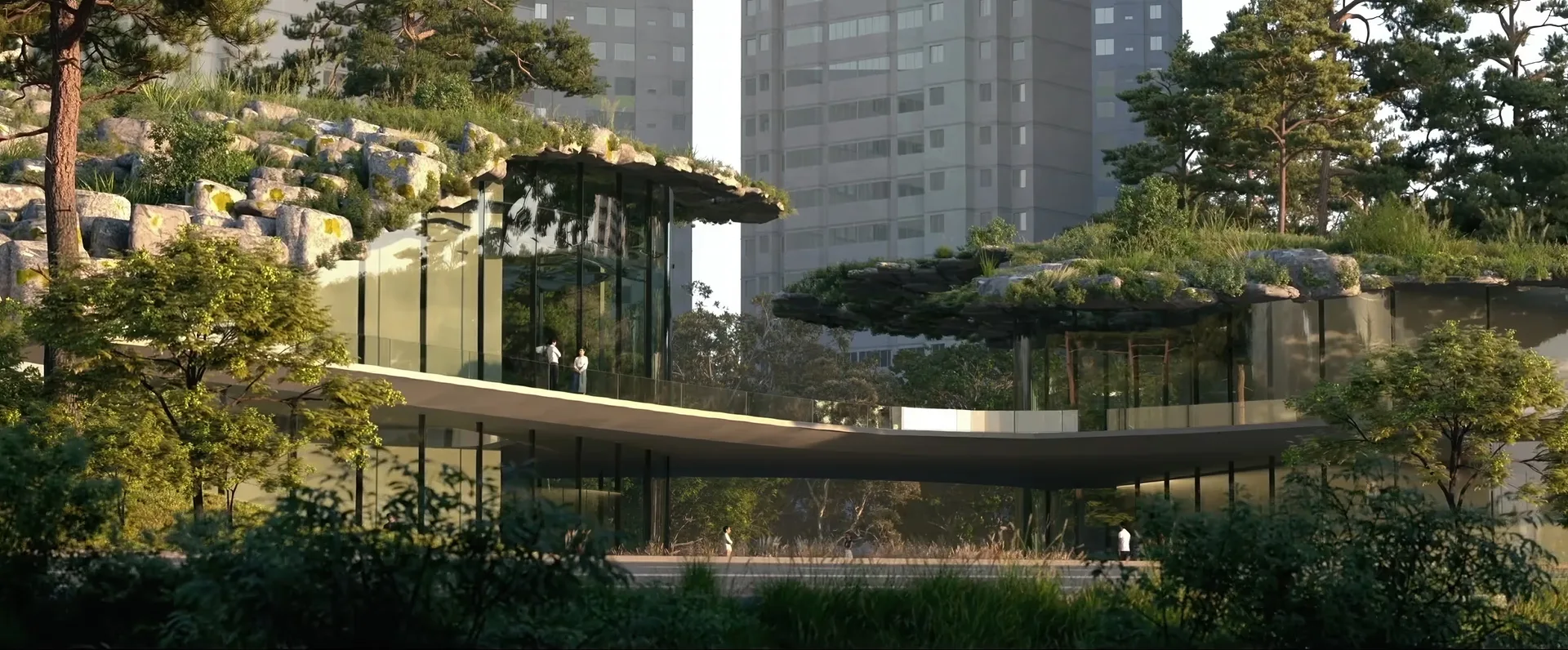
Third, keep your portfolio small but strong. A handful of carefully considered images says far more than fifty average ones. Show your best work, and be honest about what you created yourself.
Fourth, don’t fight the change. AI and new technologies are reshaping our field at remarkable speed. Embrace them and experiment with them, but never let them do the thinking for you.
And finally, stay patient and humble. Seek feedback, especially the kind that stings a little, and keep learning from everyone around you, competitors included. This industry is smaller than it looks, and the reputation you build early on tends to follow you for a long time. In the best possible way, hopefully.
Final Thoughts
What stands out in Gyula’s answers is how little the studio’s core idea has moved since 2012, even as its tools have changed almost completely. Stills became films, films became real-time worlds and AI became part of the daily workflow, yet every answer comes back to the same questions: what is this building about, and what should people feel when they see it? For students thinking about a career in visualization, the message is practical and encouraging at once. Software is the easy part; the eye for light, a real understanding of architecture and the patience to keep learning are what last. To explore more of the studio’s work, visit the Brick Visual architecture portfolio or read our guide to architectural visualization.
🔗 See also Inspirational Stories #17: Ambientevario · Inspirational Stories #18: Arch-Exist Photography · Inspirational Stories #19: KOOP Architects · Inspirational Stories #20: Sanjay Puri Architects




Inspirational Stories #16: Casa d’Abreu Neto, Álvaro Siza’s First House
In 1954 a family in Matosinhos handed their future home to a...
 illustrarch Editorial Team19 Mins read

Inspirational Stories #20: Sanjay Puri Architects
In the 20th edition of our Inspirational Stories series, Sanjay Puri Architects...
Elif Ayse Sen5 Mins read
Inspirational Stories #19: KOOP Architects
In the 19th edition of our Inspirational Stories series, KOOP Architects shares...
Elif Ayse Sen6 Mins read

Inspirational Stories #18: Arch-Exist Photography
In the 18th edition of our Inspirational Stories series, Arch-Exist Photography shares...
Elif Ayse Sen4 Mins read



Leave a comment