

Encontros Sculpture by Estudio Guto Requena
Encontros Sculpture by Estudio Guto Requena is a spiralling weathering steel artwork in Sorocaba, Brazil, whose petals carry laser cut Indigenous place names.
 illustrarch Editorial Team19 November 20263 Mins read1
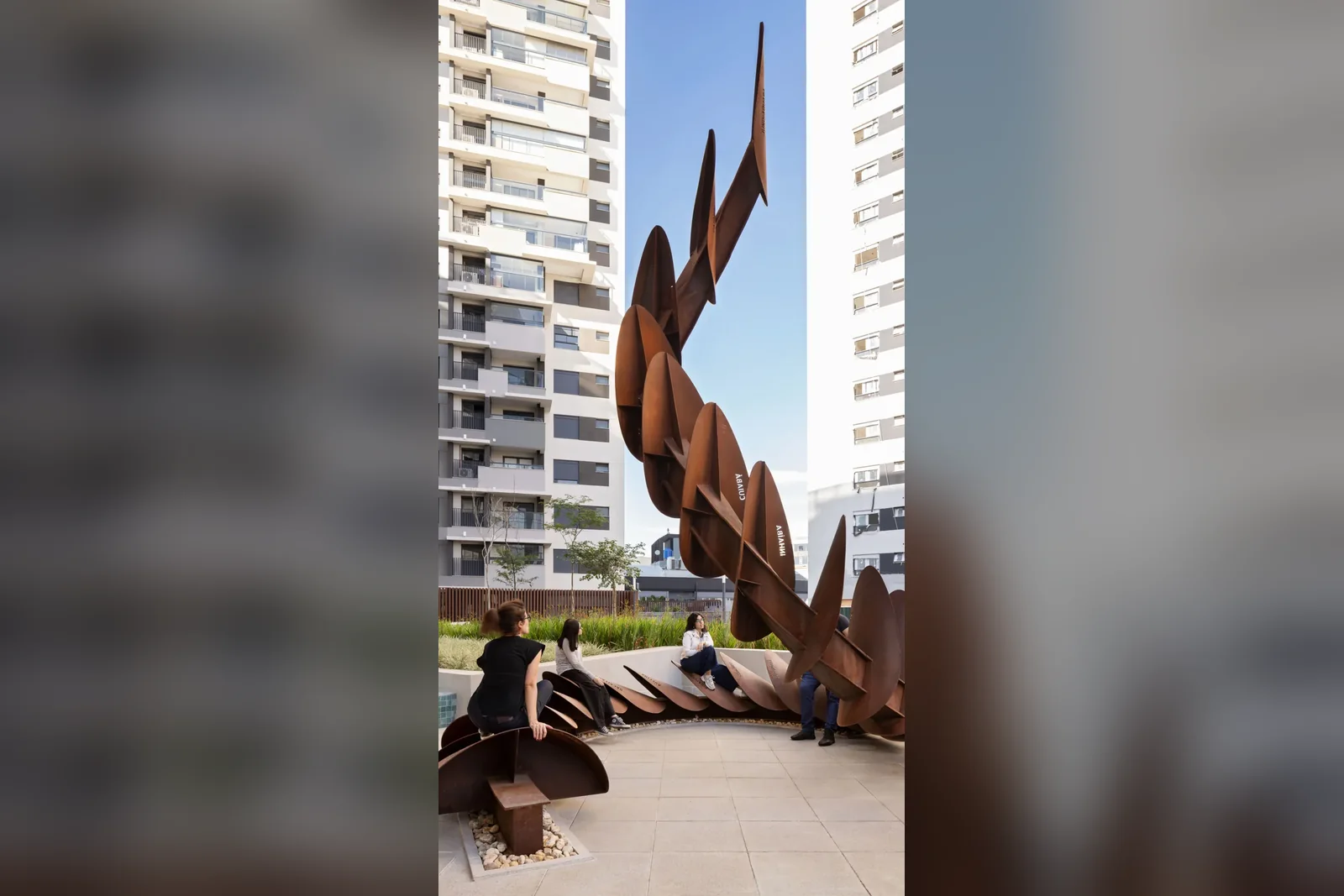
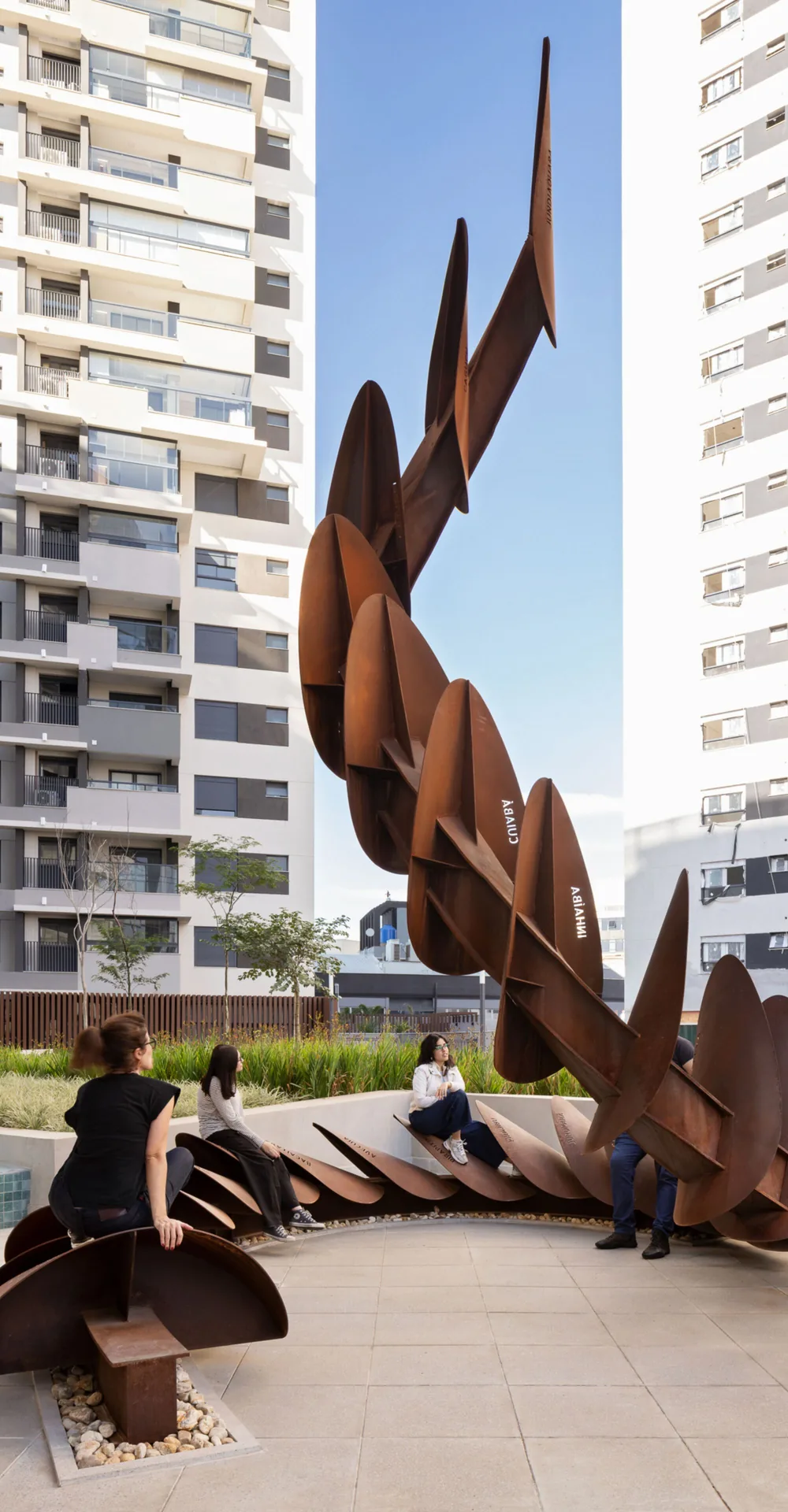
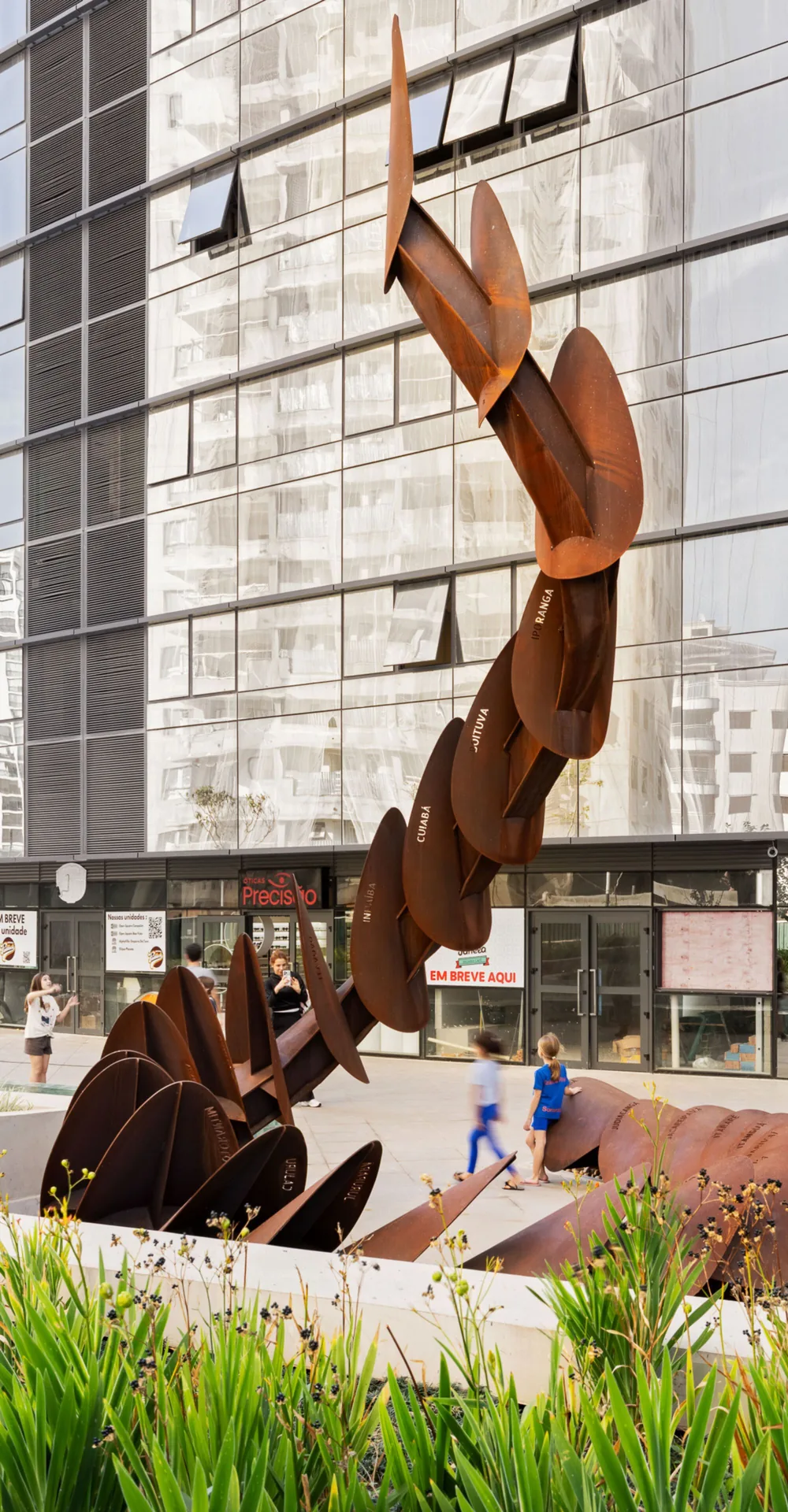
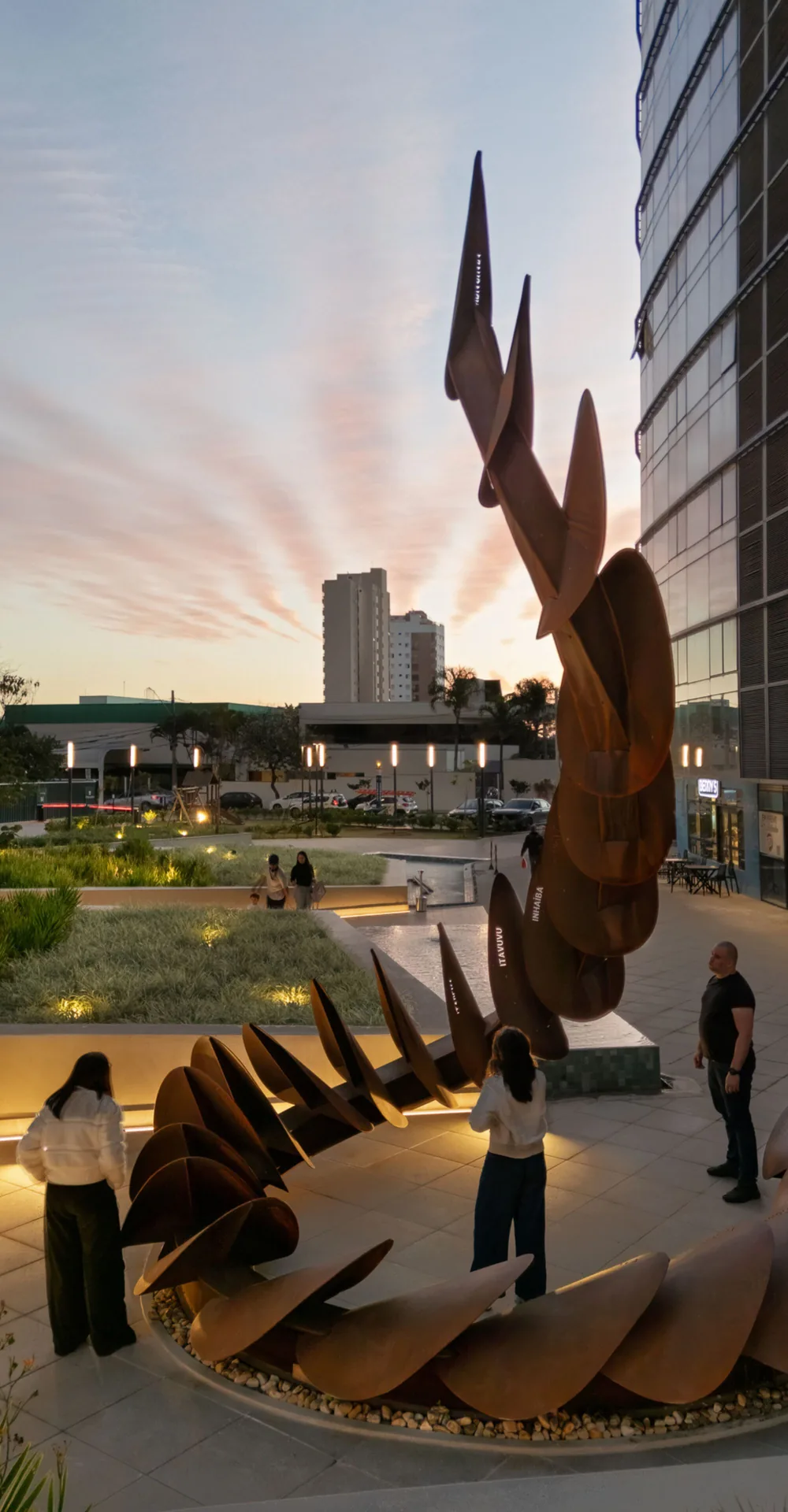
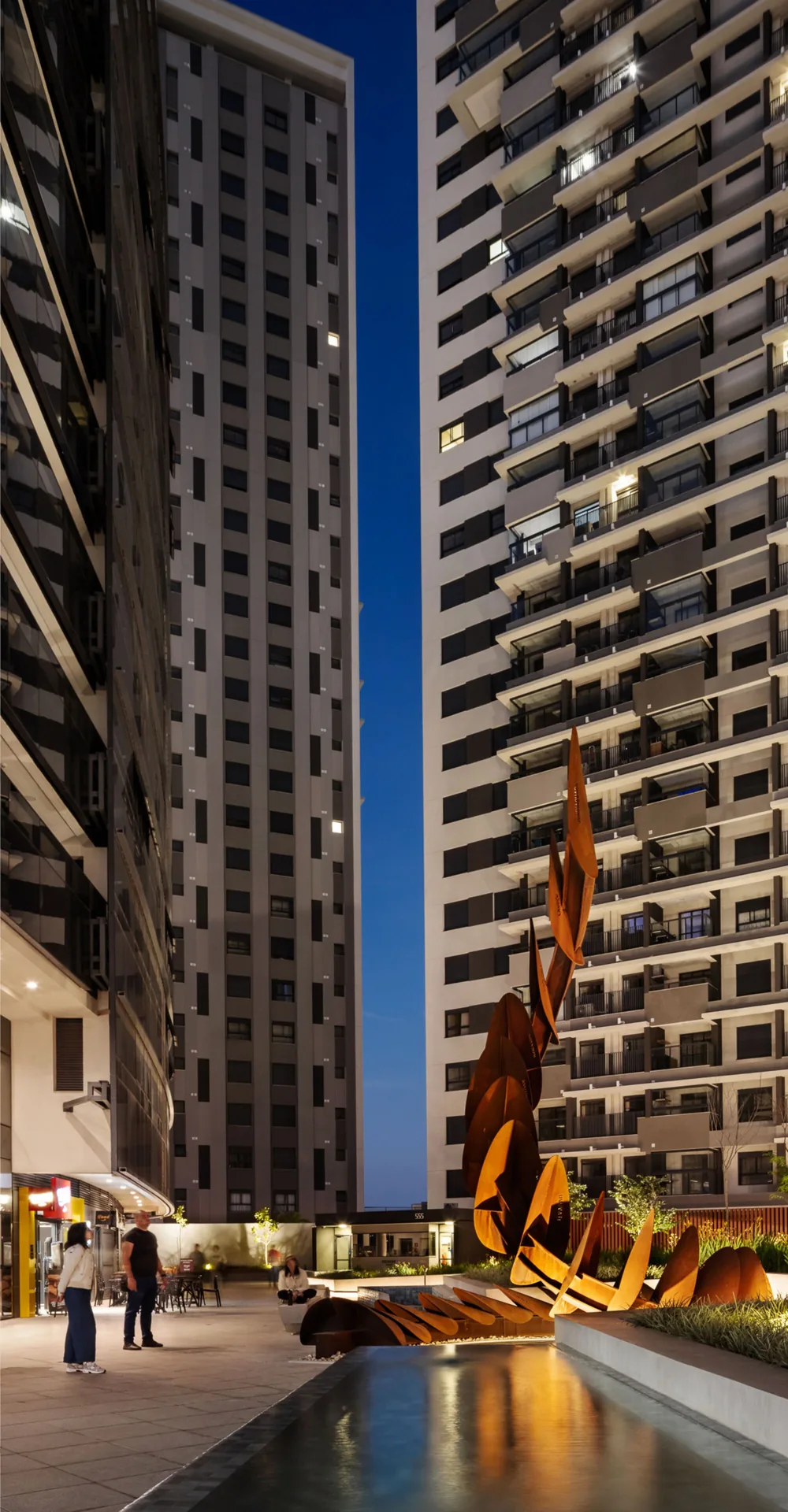
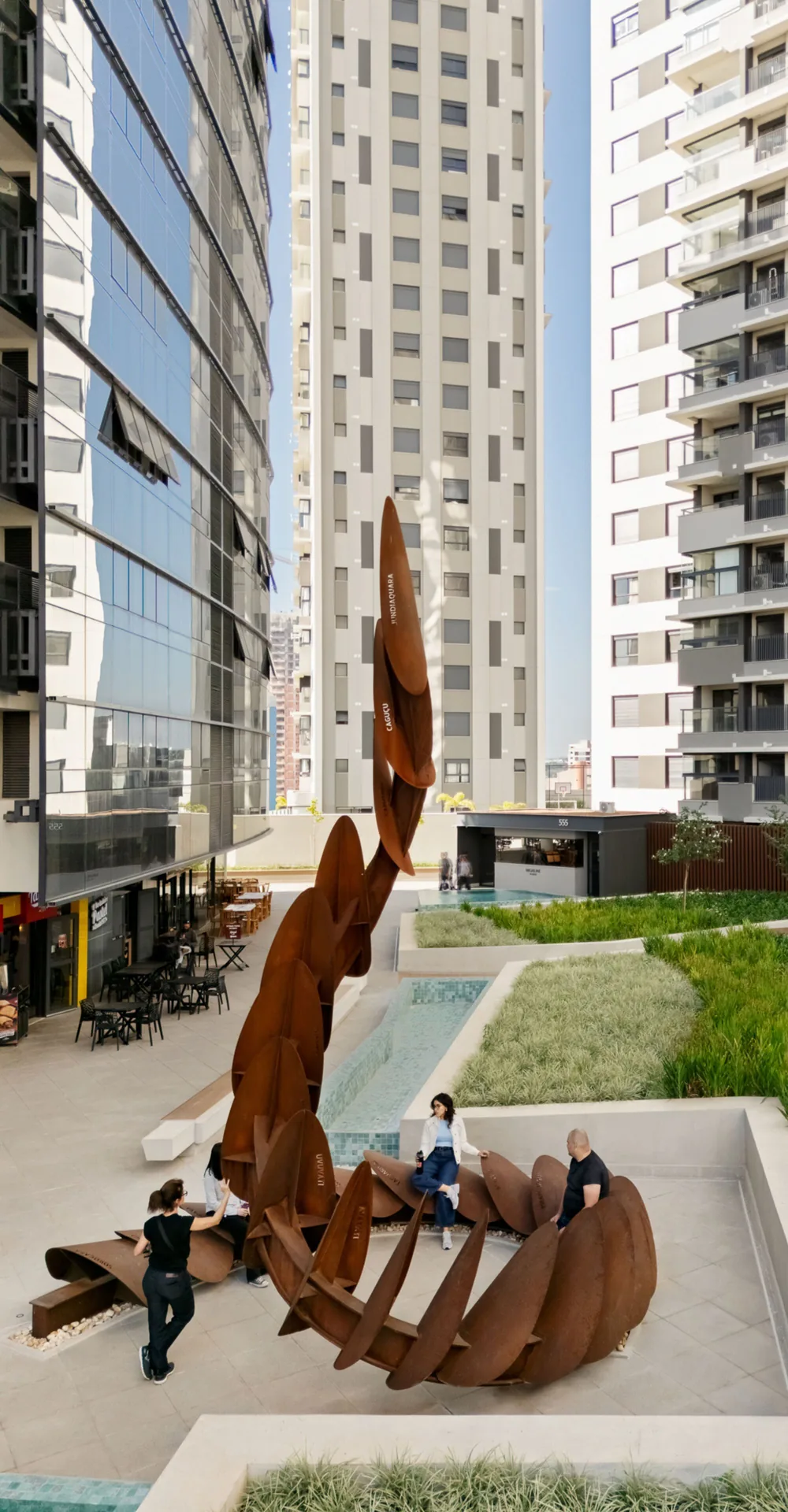
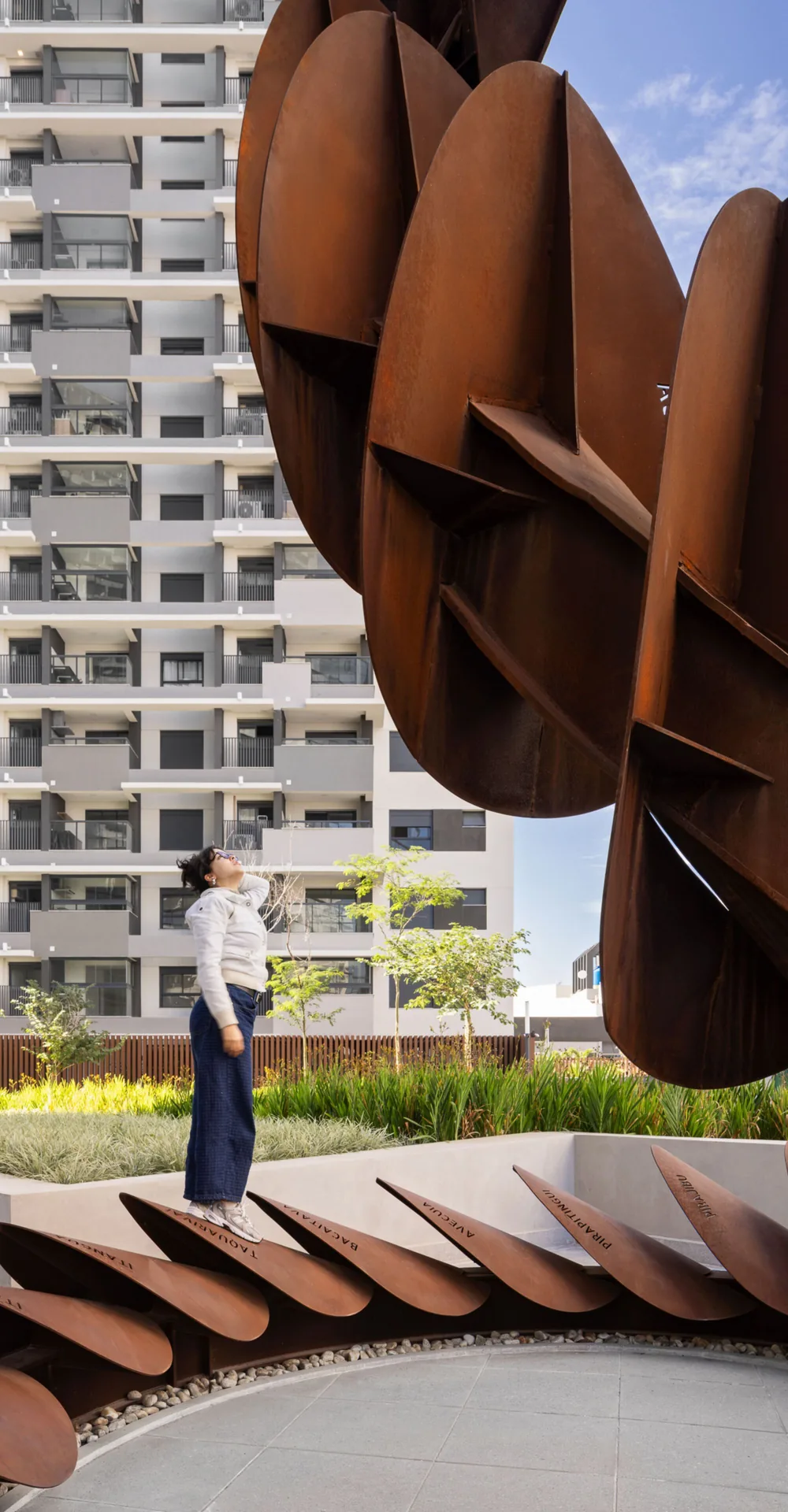
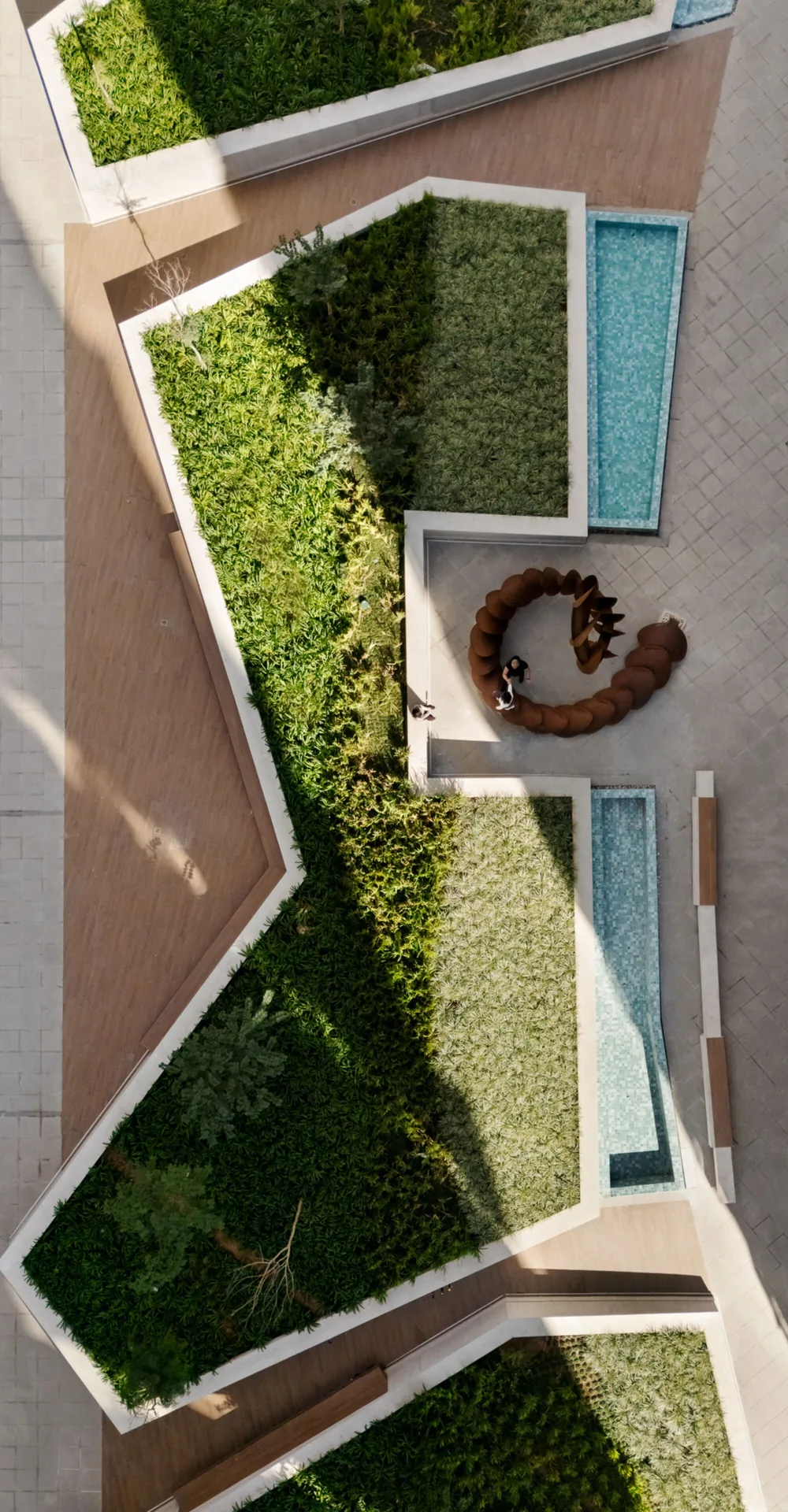
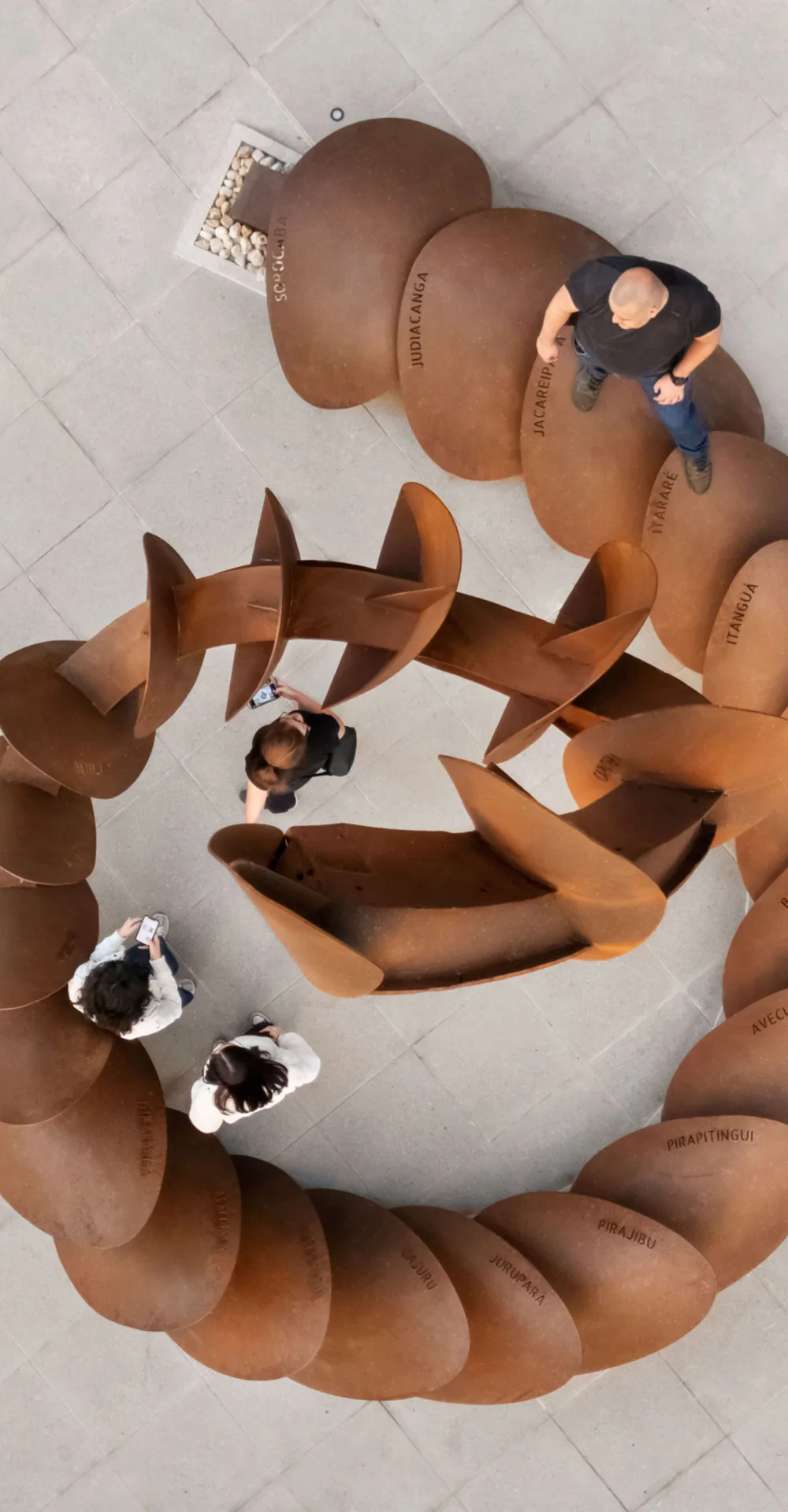
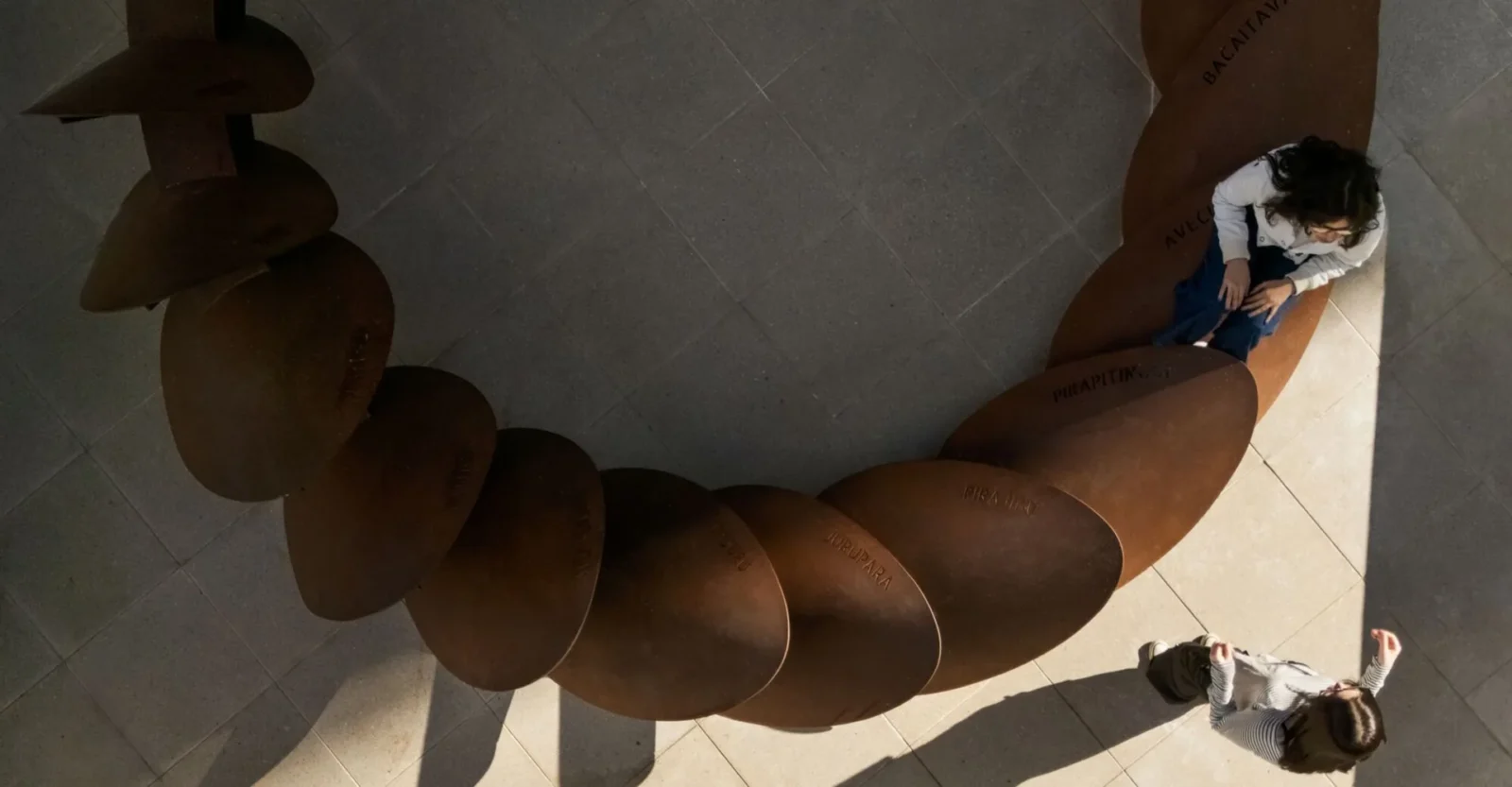
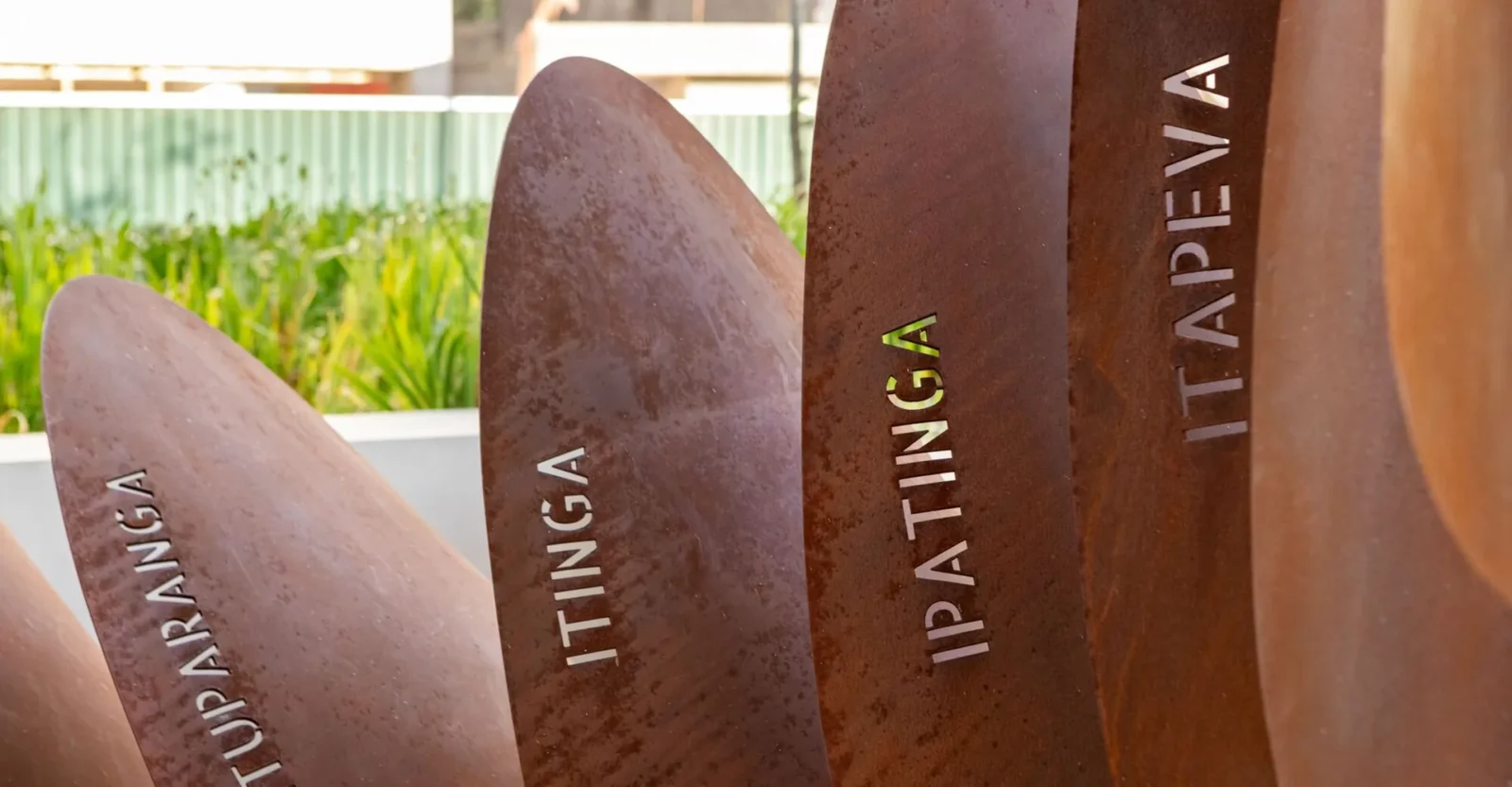
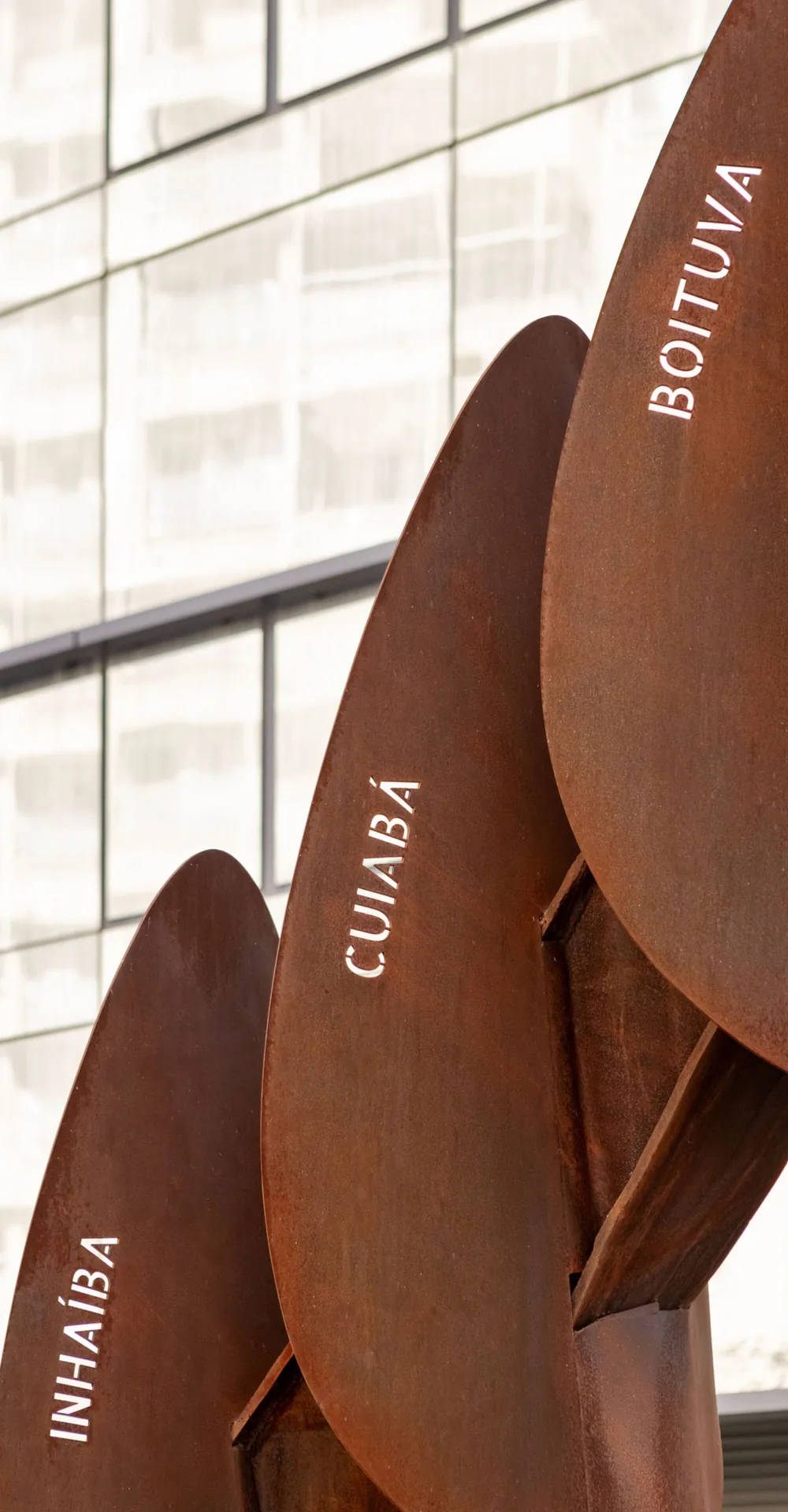
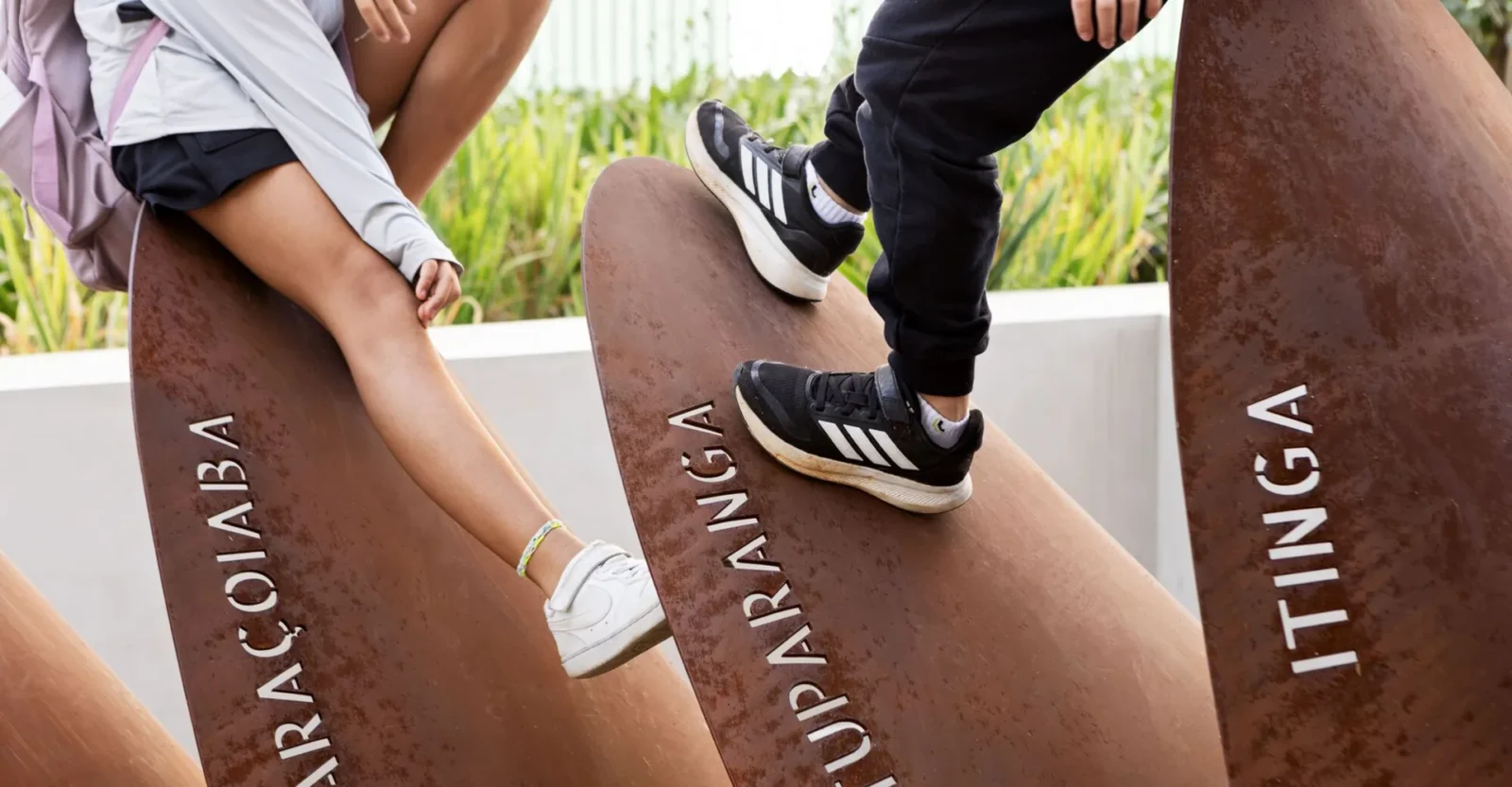
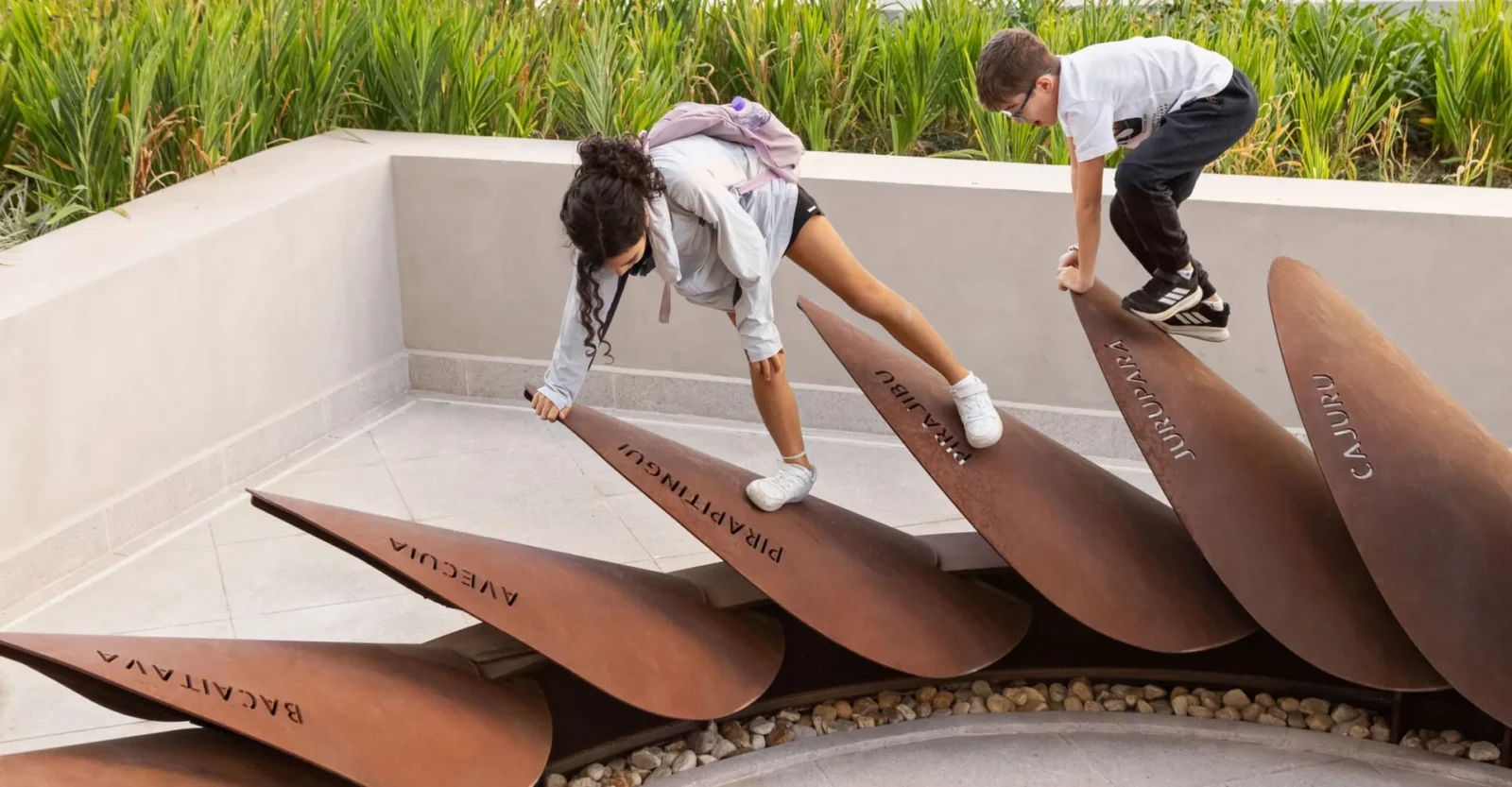
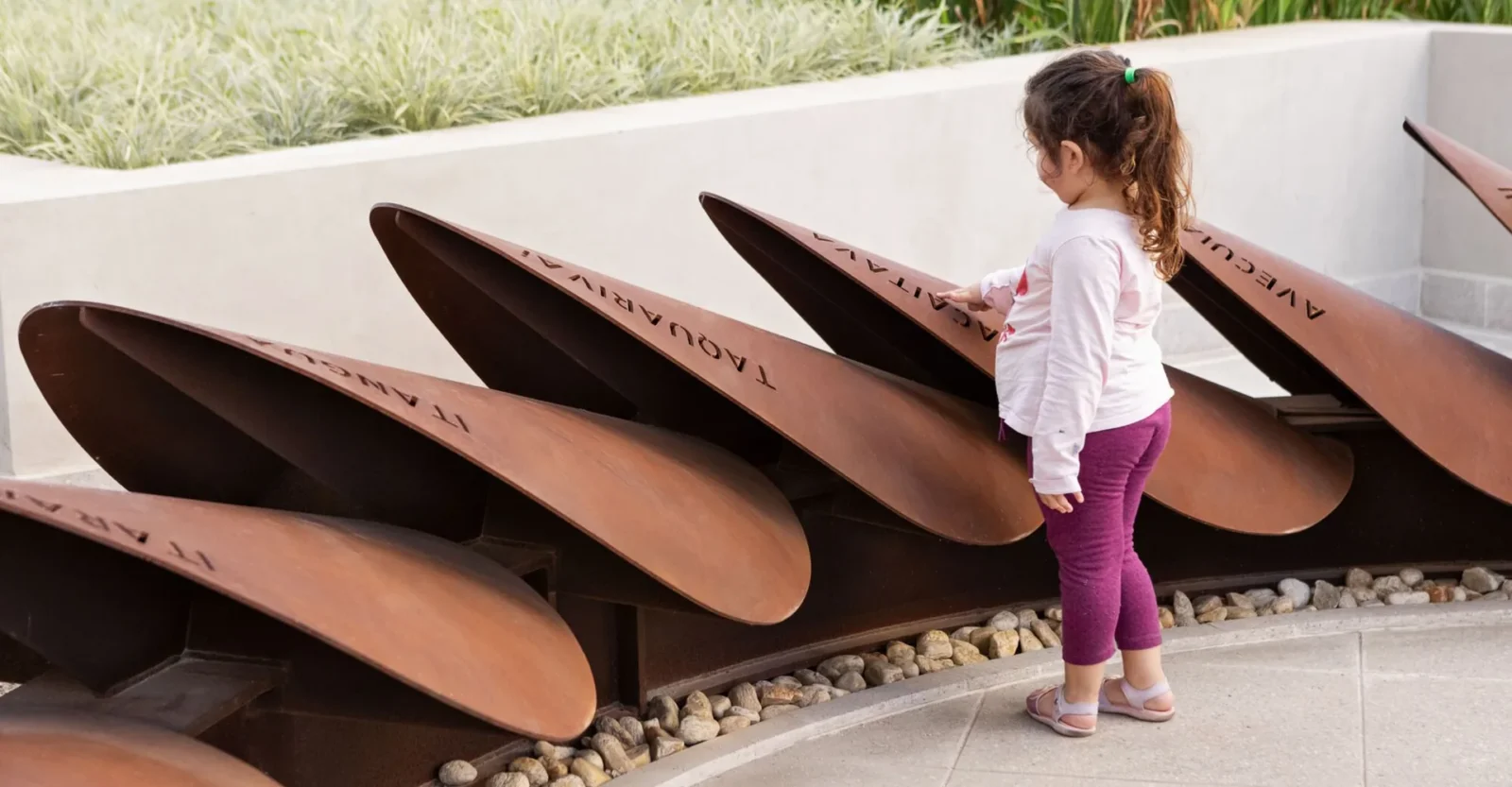
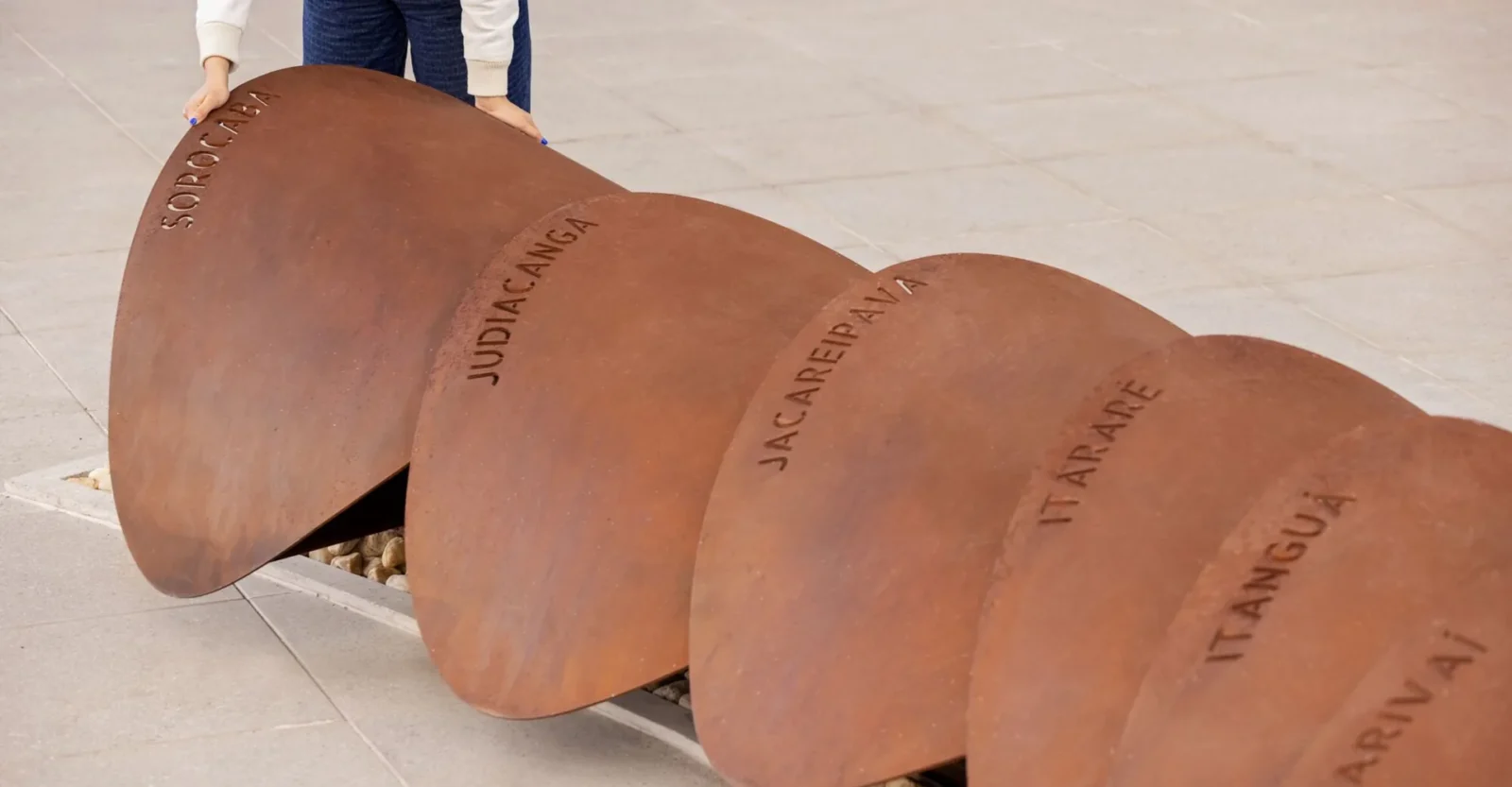
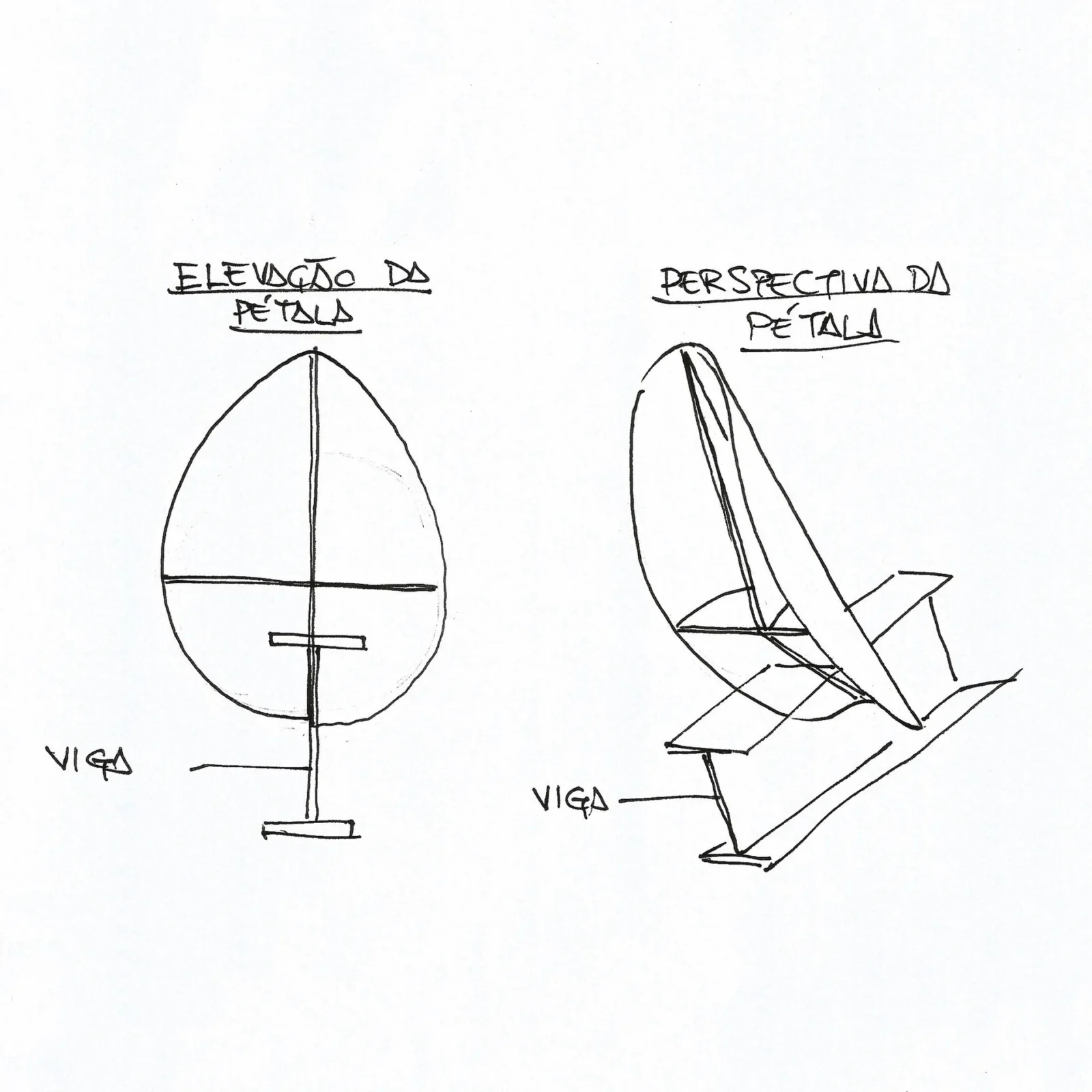
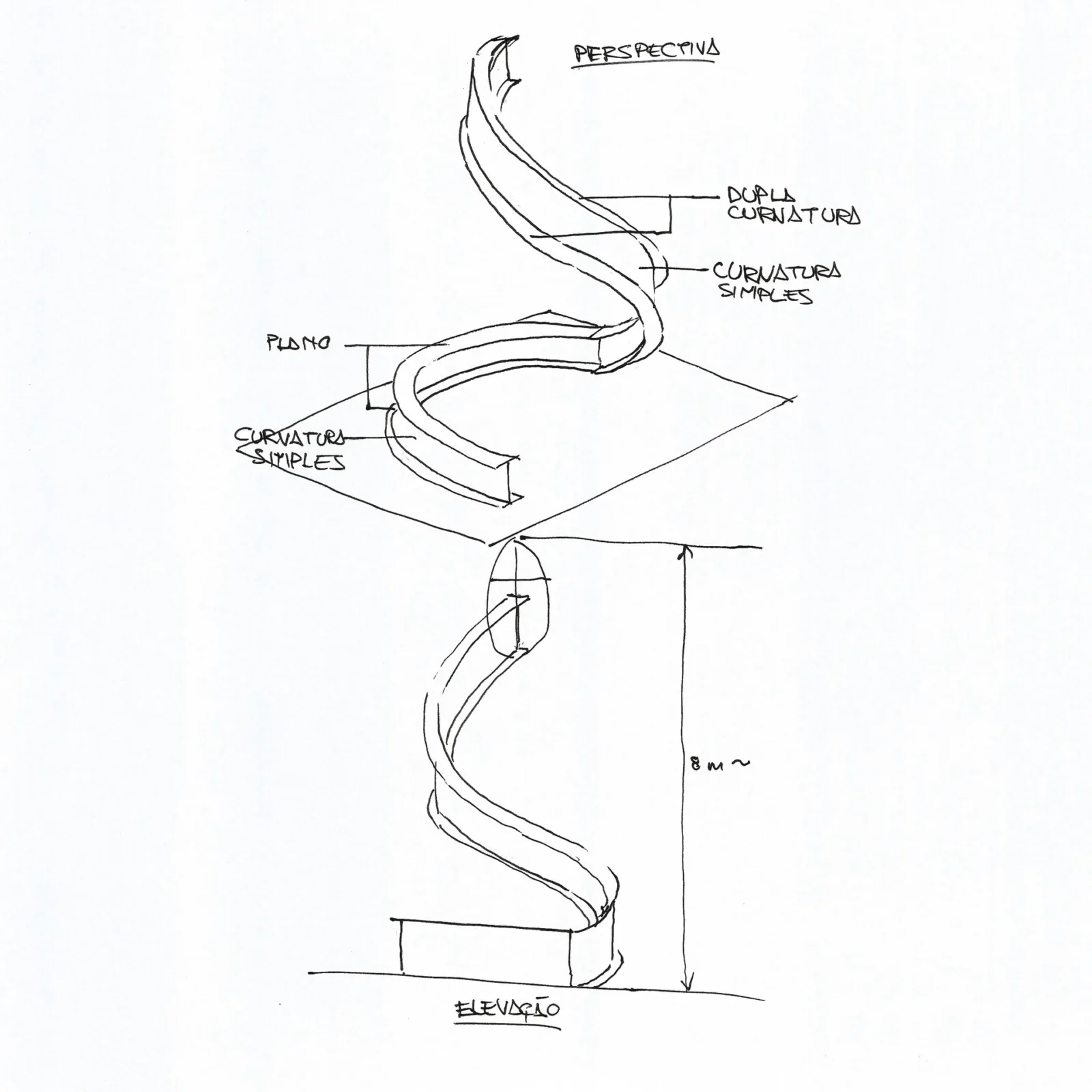
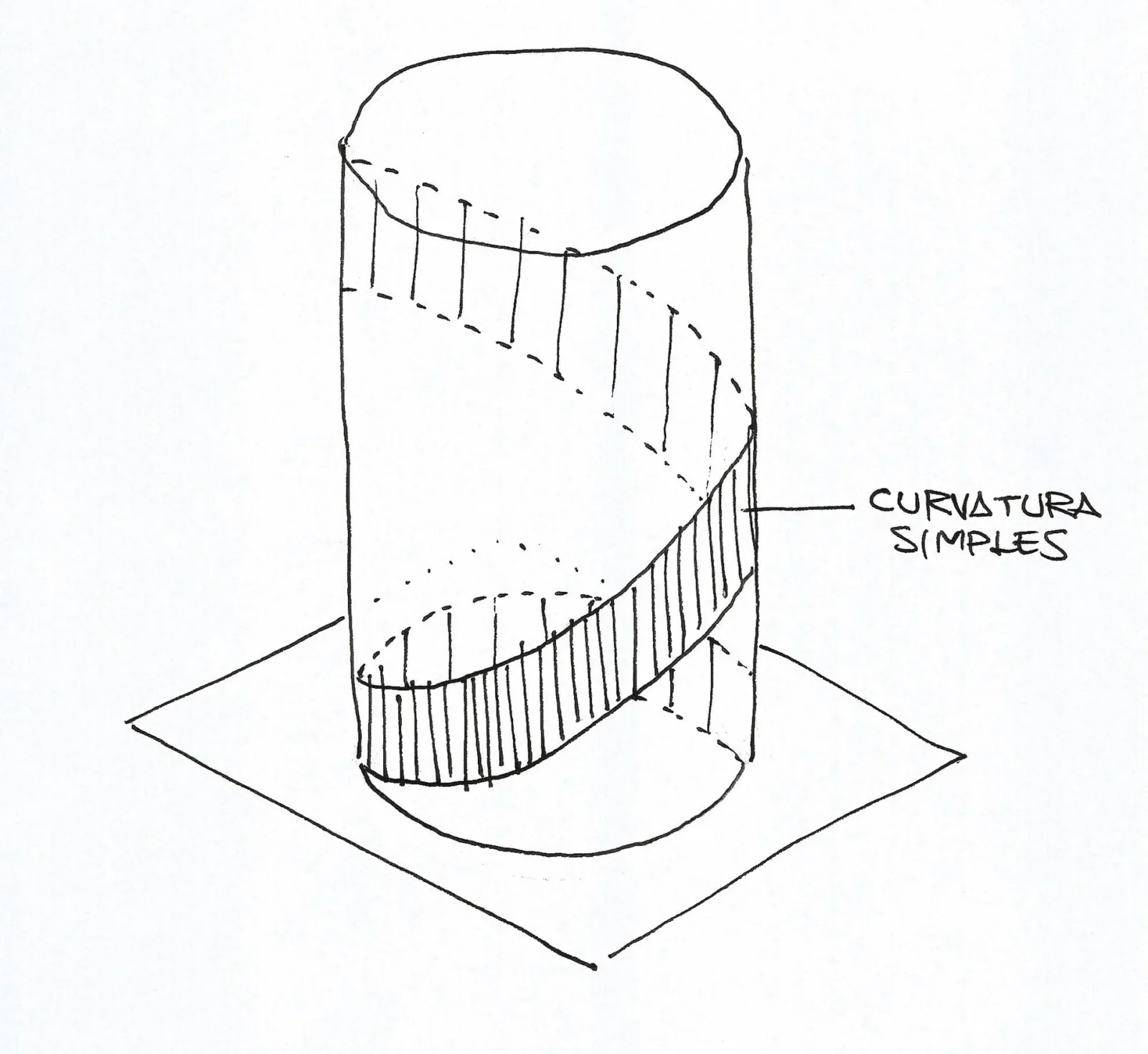
Table of Contents Show
Encontros Sculpture is a public artwork by Estudio Guto Requena in Sorocaba, a city in the Brazilian state of São Paulo and the hometown of the studio’s founder, Guto Requena. Completed in 2025, the piece is a spiral of weathering steel petals that rises from a paved plaza between apartment and office towers. Its name means “encounters” in Portuguese, and the work is meant as a homage to the many peoples who crossed this territory long before it became a city.

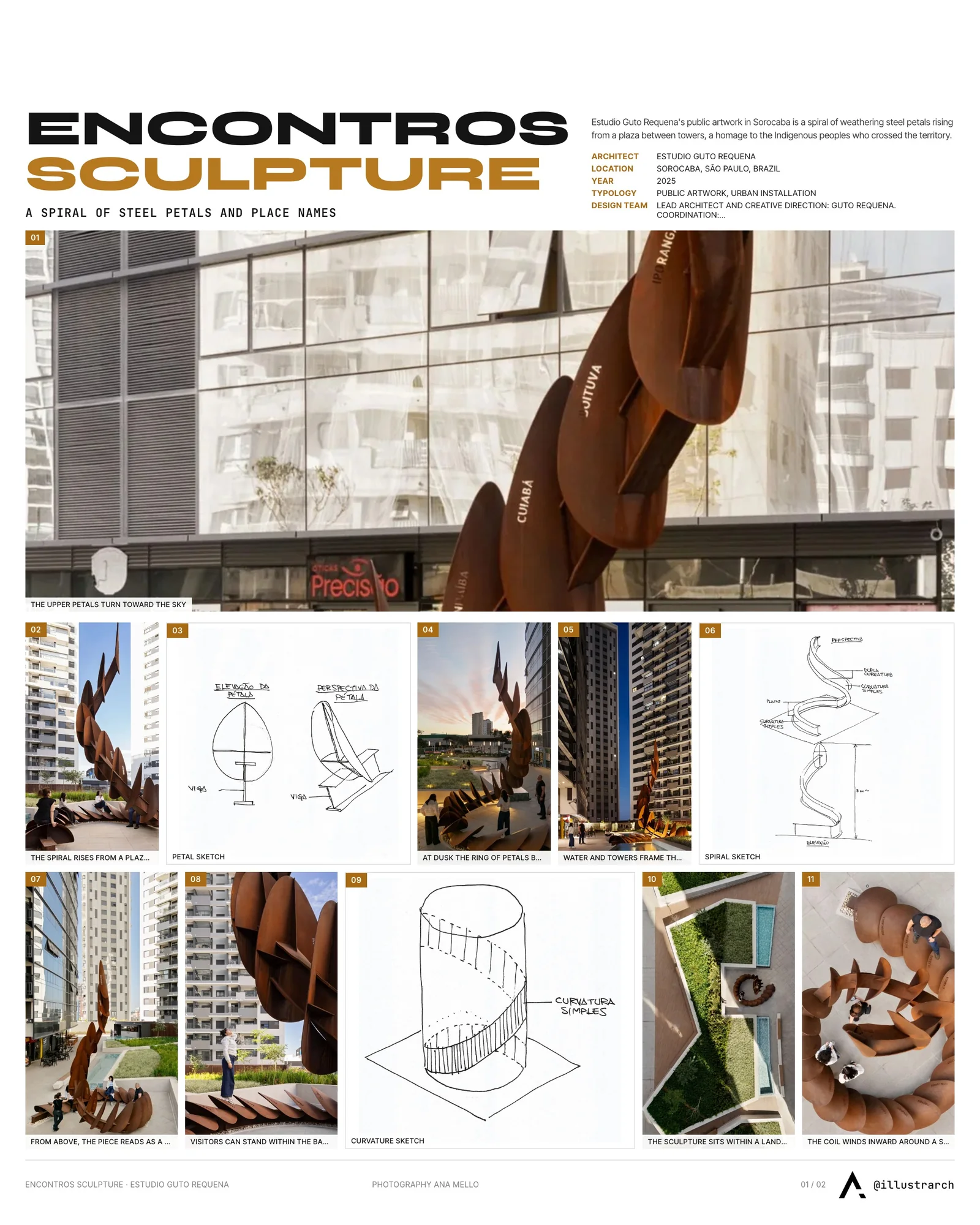
The studio notes that the name Sorocaba itself comes from Tupi Guarani and translates as “torn land”. That linguistic root sets the tone for a project that treats local history as something written into the ground.
A spiral as a meeting point
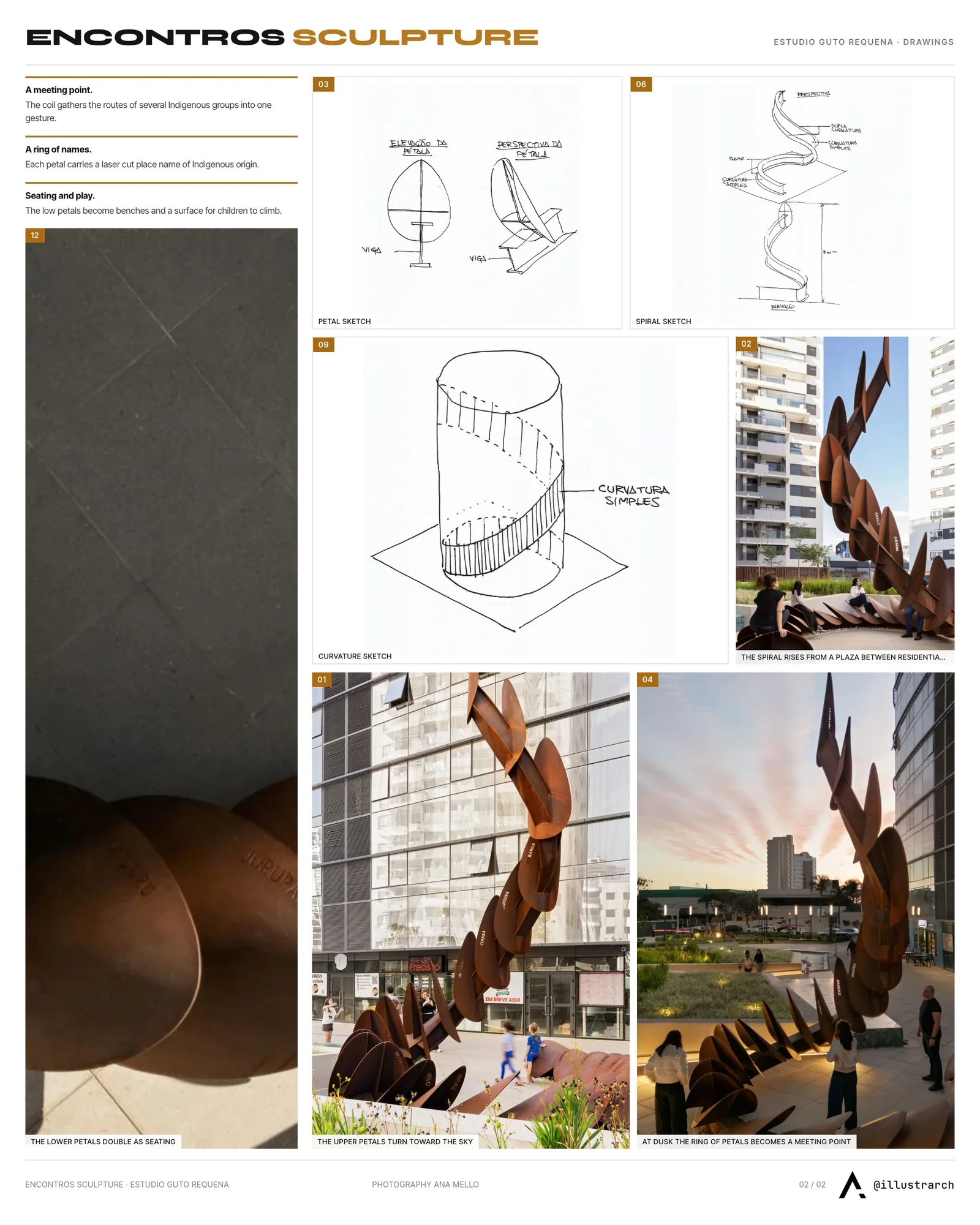
The circular, spiralling form is a symbol of crossing paths. The architects list several Indigenous groups who moved through the area: Guarani people from the Paranapanema, Carijó from the plains around Curitiba, Tupiniquim and Guaianazes from Piratininga, and Tupi from the Tietê. The coil gathers these routes into a single gesture, low at its base and climbing to a tall twisted tip.
Estudio Guto Requena frames the work as a way of stepping away from a Eurocentric reading of the past, one that places Indigenous history only before the arrival of colonisers. In the studio’s view, Indigenous culture marked how both the city and the wider country were colonised, and it still shapes Brazilian life today.
The Peabiru Trail beneath the city
Part of that argument rests on geography. Sorocaba lay on the Peabiru Trail, an ancient web of footpaths that predates Columbus and ran across South America from the Atlantic coast toward the Andes. The trail covered roughly three thousand kilometres through what is now Brazil, Paraguay, Bolivia and Peru, and it carried trade, communication and knowledge between Indigenous peoples centuries before Europeans arrived.
The architects point out that the name of the trail keeps this history alive. In Tupi, they explain, the syllable “pe” stands for a path, while “abiru” describes grass pressed flat, the trace left by generations of walkers.
Weathering steel and a ring of names
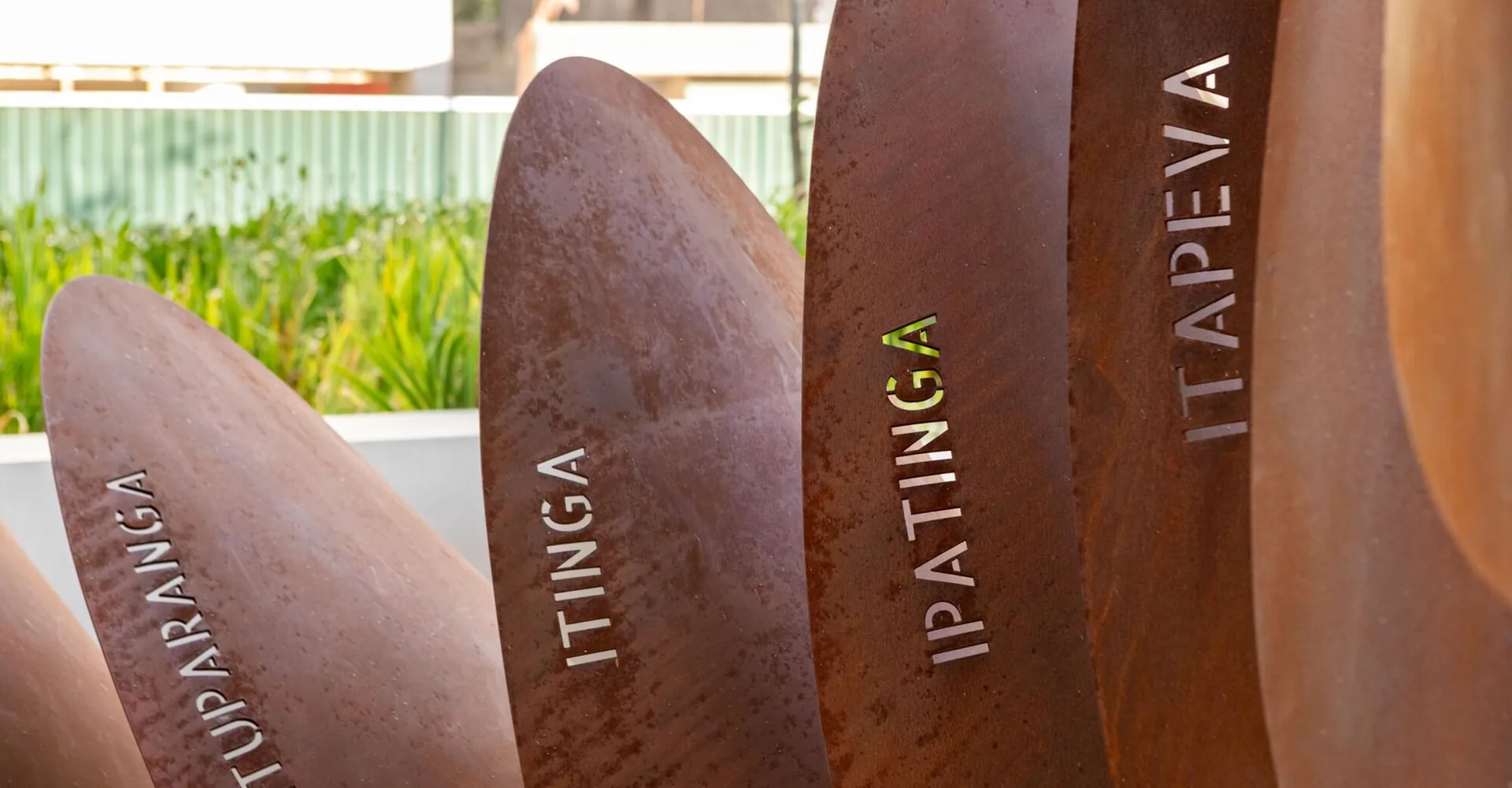
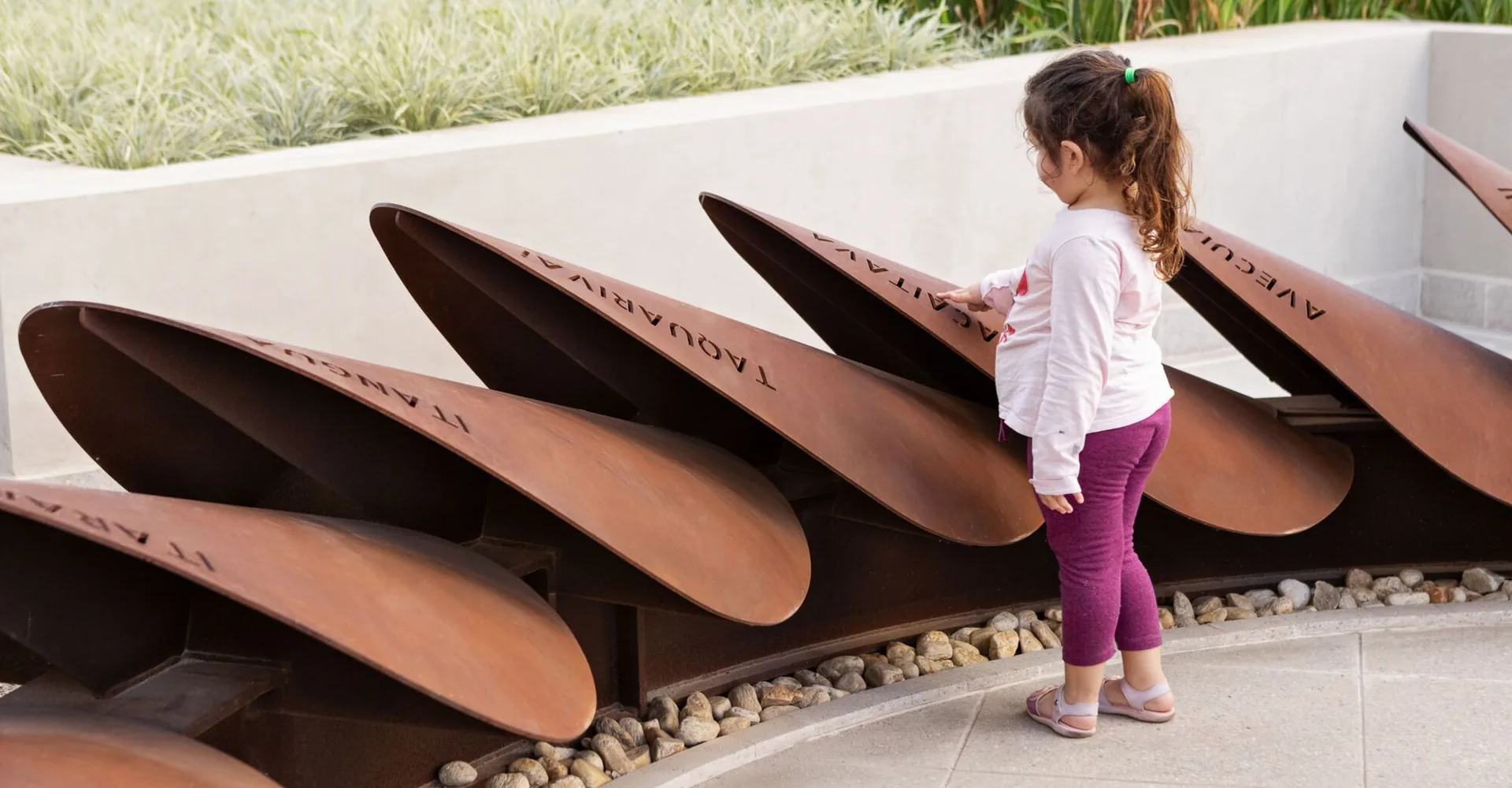
The sculpture is made entirely of weathering steel, whose rusted surface gives it a warm, earthy colour against the white and glass facades around the plaza. Every petal carries a single word cut by laser, and each word is a place name of Indigenous origin from the surrounding region. Itararé, Cuiabá, Tietê and Boituva are among them. Reading the names as one walks around the base turns the piece into a map of the territory.
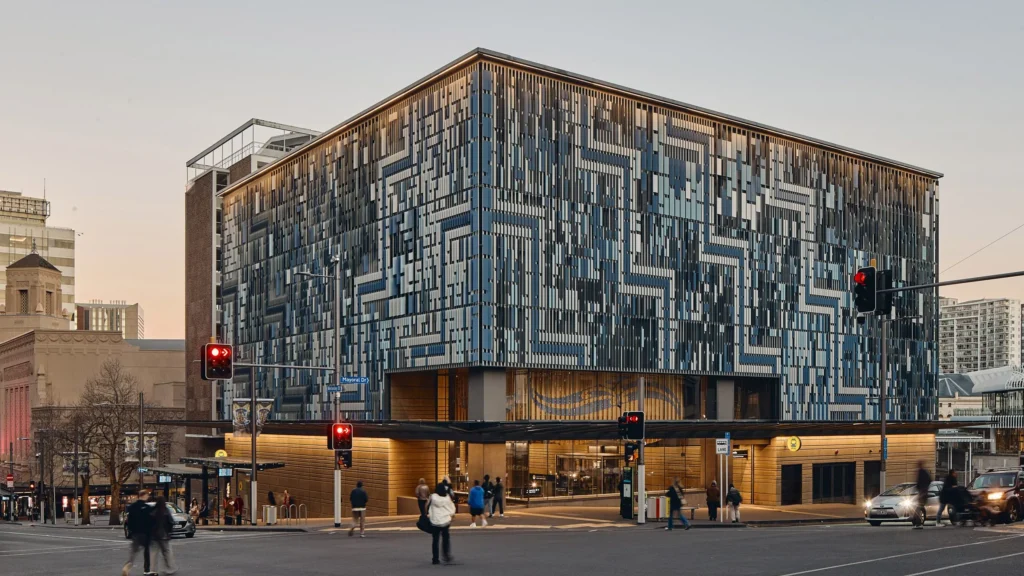
Indigenous patterns and names are increasingly visible in public infrastructure elsewhere too, as in Grimshaw’s Auckland City Rail Link stations.
How the form was drawn
The studio’s hand sketches show how the shape was worked out. Each oval petal is fixed to a short beam, and the petals are arranged along a helix that combines simple and double curvature as it climbs. Diagrams and modelling were developed by Orion Campos, with coordination by Camila de Oliveira and creative direction by Requena himself. For background on the material, read the evolution of steel in construction.
Part artwork, part street furniture
The studio describes the sculpture as both contemplative and useful, a cross between an artwork and a piece of urban furniture. The low petals at the base work as benches and, as the photographs show, as something for children to climb on, while the upper section stands as a landmark visible from the surrounding towers.
Twenty years of research
Encontros builds on almost two decades of work by Estudio Guto Requena on how design can create moments of affection in shared spaces. It joins a series of urban installations by the studio and plays a central role in the PhD that Requena is currently pursuing in Lisbon, a study of how design and new technologies can encourage empathy in cities.


Ocean House by Biazus Arquitetura
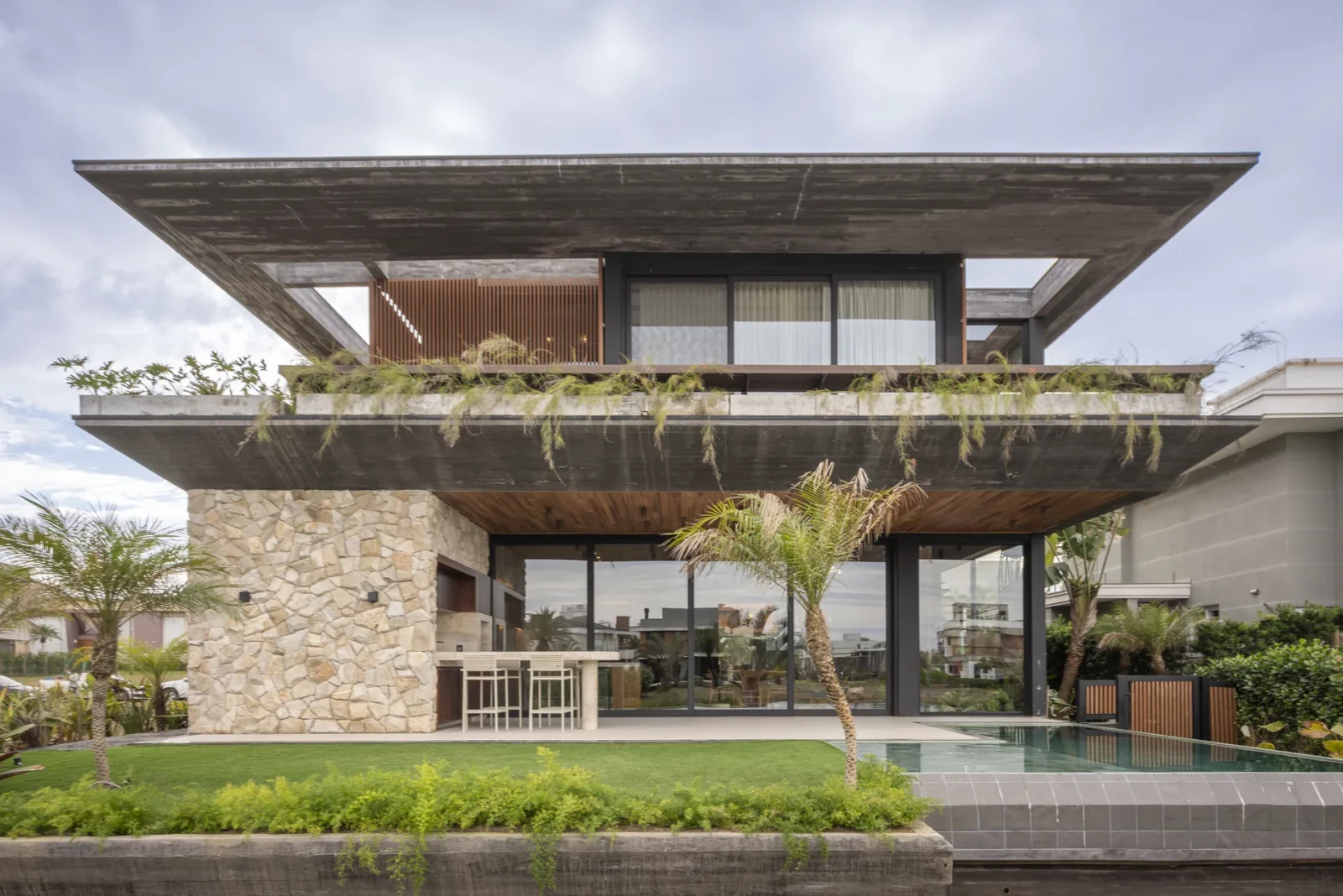
Ocean House by Biazus Arquitetura is a 500 m² family beach home...
illustrarch Editorial Team3 Mins read
The Plinth House 2 by Luke Stanley Architects
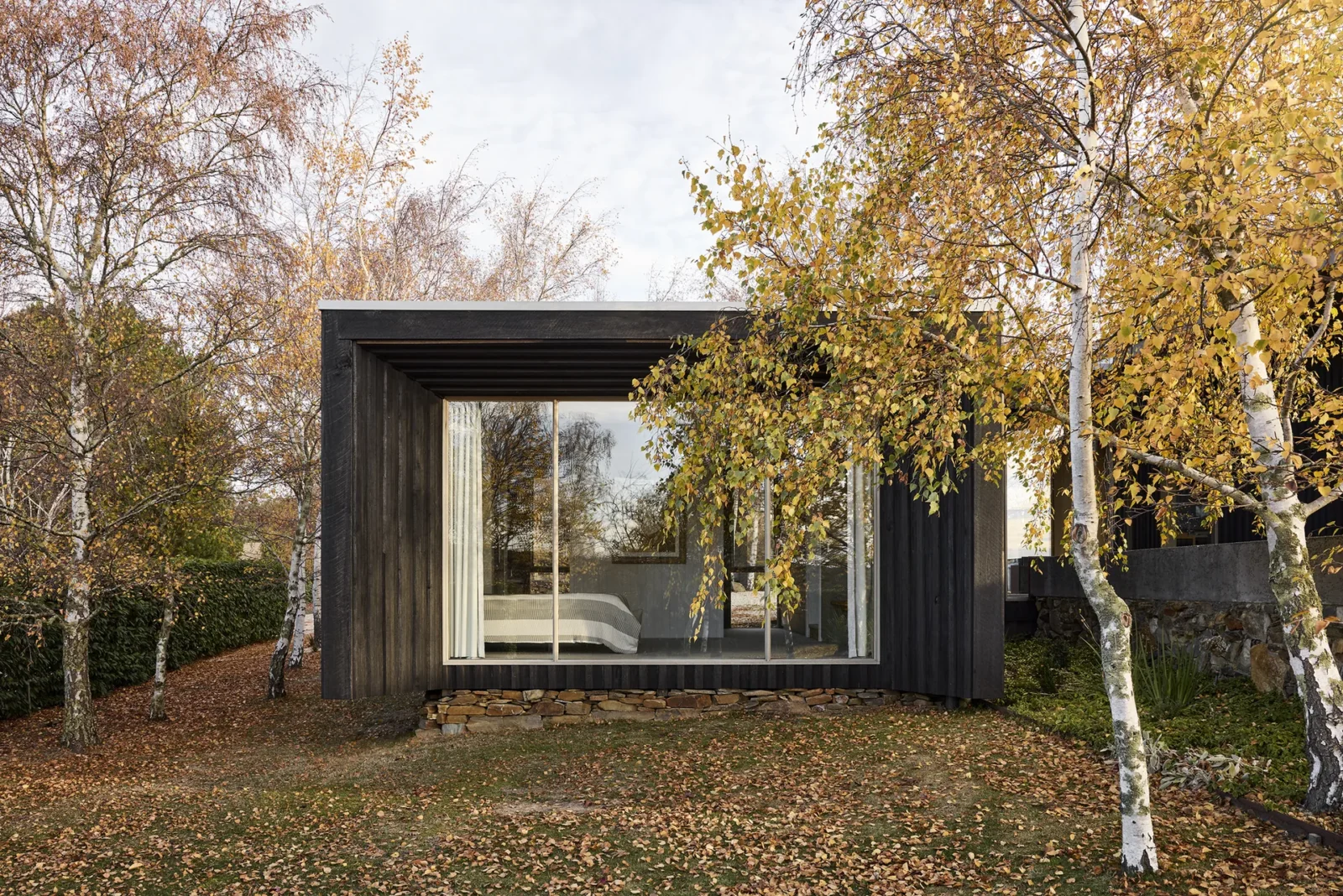
Luke Stanley Architects completes The Plinth House 2 at Langdons Hill near...
illustrarch Editorial Team2 Mins read
SUPRA by SO? Architecture and Ideas
SUPRA by SO? Architecture and Ideas is a permanent canopy for the...
illustrarch Editorial Team3 Mins read
Pasohlávky Cultural Centre by AOSI and DOXA
AOSI and DOXA won the competition for the Pasohlávky Cultural Centre with...
illustrarch Editorial Team3 Mins read




Leave a comment