

India Art, Architecture & Design Biennale 2026: Ministry of Culture Opens Delhi Monuments
Delhi's monuments, including Purana Quila and the Red Fort, will host the second India Art, Architecture & Design Biennale from December 4.
 illustrarch Editoral Team19 October 20262 Mins read8
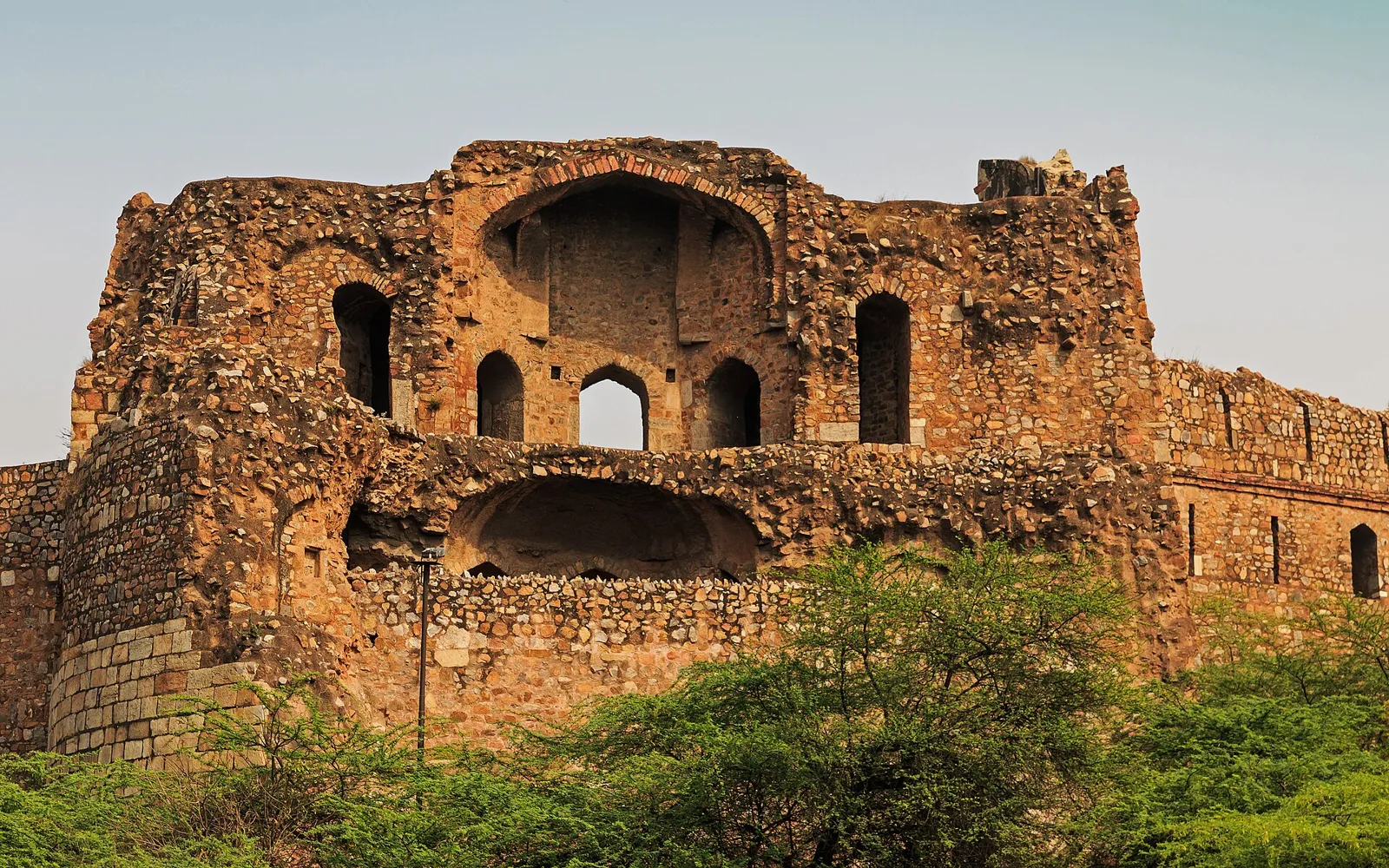
India’s Ministry of Culture is preparing to turn dozens of Delhi’s monuments and institutional buildings into exhibition spaces for the second India Art, Architecture & Design Biennale, set to open on December 4, 2026. The event, running for four months, will bring artists, curators, private collectors, embassies, studios and students together across the capital, with the 16th century Purana Quila serving as the main venue.
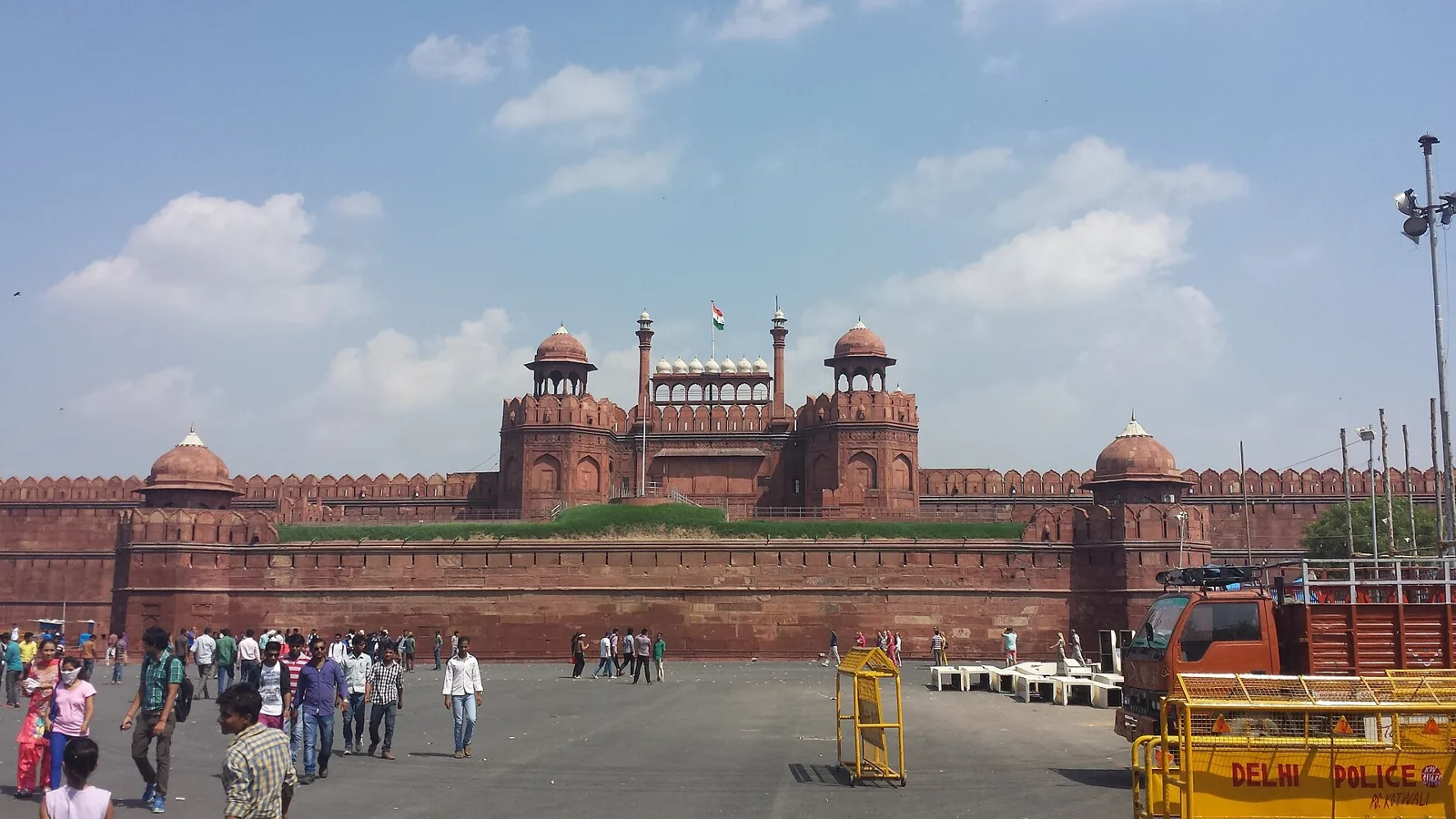
The move marks a significant expansion from the Biennale’s debut. The first edition was staged entirely at the Red Fort in December 2023. This time, organisers are spreading the programme across a much wider footprint of the city, opening up heritage sites that have not previously been used for large scale contemporary art shows.
Which Delhi monuments will host the India Art, Architecture & Design Biennale
Alongside Purana Quila, the ministry has proposed a long list of sites for curators and cultural partners to consider, including the Red Fort, the Qutub Minar complex, Humayun’s Tomb, Hauz Khas and Chandni Chowk. Institutional venues on the list include the National Gallery of Modern Art, the Craft Museum and the Pradhanmantri Museum and Library, in addition to more than 20 other heritage locations and institutions across the capital.
Purana Quila will carry the flagship, ministry-curated exhibition anchoring the second edition. Selected states and Union Territories will also be given dedicated pavilion space within the fort, where they will design, curate and build their own presentations to tell region-specific cultural stories. Two additional venues, the National School of Drama and the Lalit Kala Akademi, have been set aside specifically for a student biennale strand.
How curators and embassies can take part
The ministry has framed participation broadly, inviting galleries, foundations, corporate arts programmes, embassy cultural desks, private collectors and independent artists to propose projects. Embassies are being asked to bring their own artists and curators to activate programming within their own premises as part of what organisers describe as the event’s international dimension. Collectors and institutions holding private collections have also been offered space to place personal or institutional holdings within the Biennale.
In its invitation, the ministry described the structure as intentionally open ended. “The Biennale is designed to be entered from wherever you stand. Whichever path fits you, the invitation is the same: choose your venue, curate freely, and let the Ministry help carry the reach and the branding,” the ministry said, adding that anyone who leads a gallery, foundation, corporate arts programme or embassy’s cultural desk, or simply cares about the direction of Indian contemporary art, has a place in the project.

Curators and corporate partners who take part will be able to adopt a chosen heritage site for the duration of the event and commission site-specific artworks in collaboration with the ministry, allowing installations to respond directly to the architecture and history of each location. The programme is expected to include digital and new-media art alongside more conventional mediums.
For now, the ministry says it is still collecting proposals from interested parties. Venue capacities and further site-specific details will be released once that intake process concludes, which will determine how the various monuments and institutions are ultimately allocated among participants.




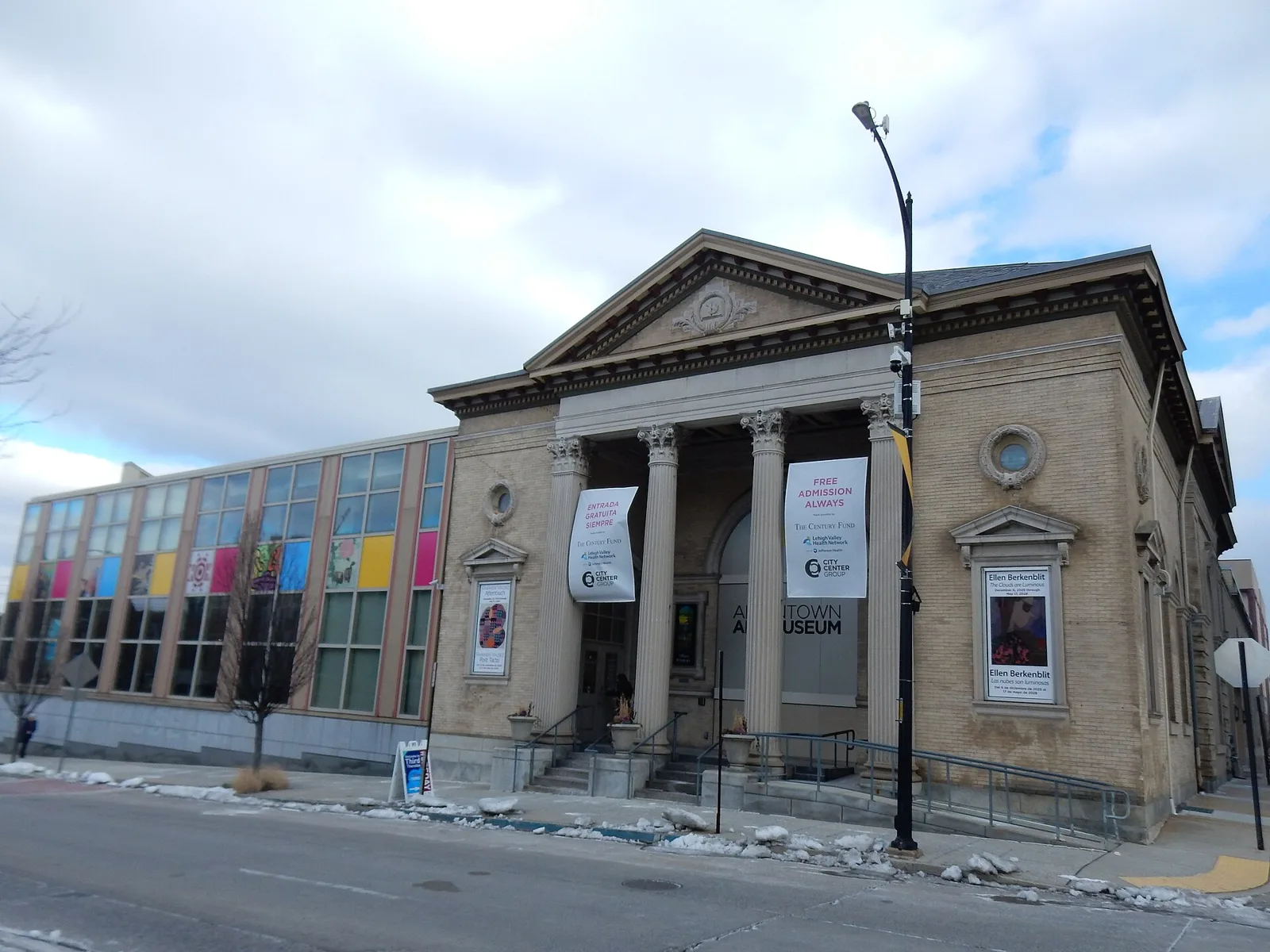
Allentown Art Museum Leaves Its Venturi, Scott Brown Addition for a New Studios Architecture Building
The Allentown Art Museum is moving to a new Studios Architecture building...
illustrarch Editoral Team2 Mins read

Donald Insall, the Conservation Architect Who Led Windsor Castle’s Restoration, Dies at 100
Donald Insall, the British architect who turned conservation into a planning discipline...
illustrarch Editoral Team2 Mins read
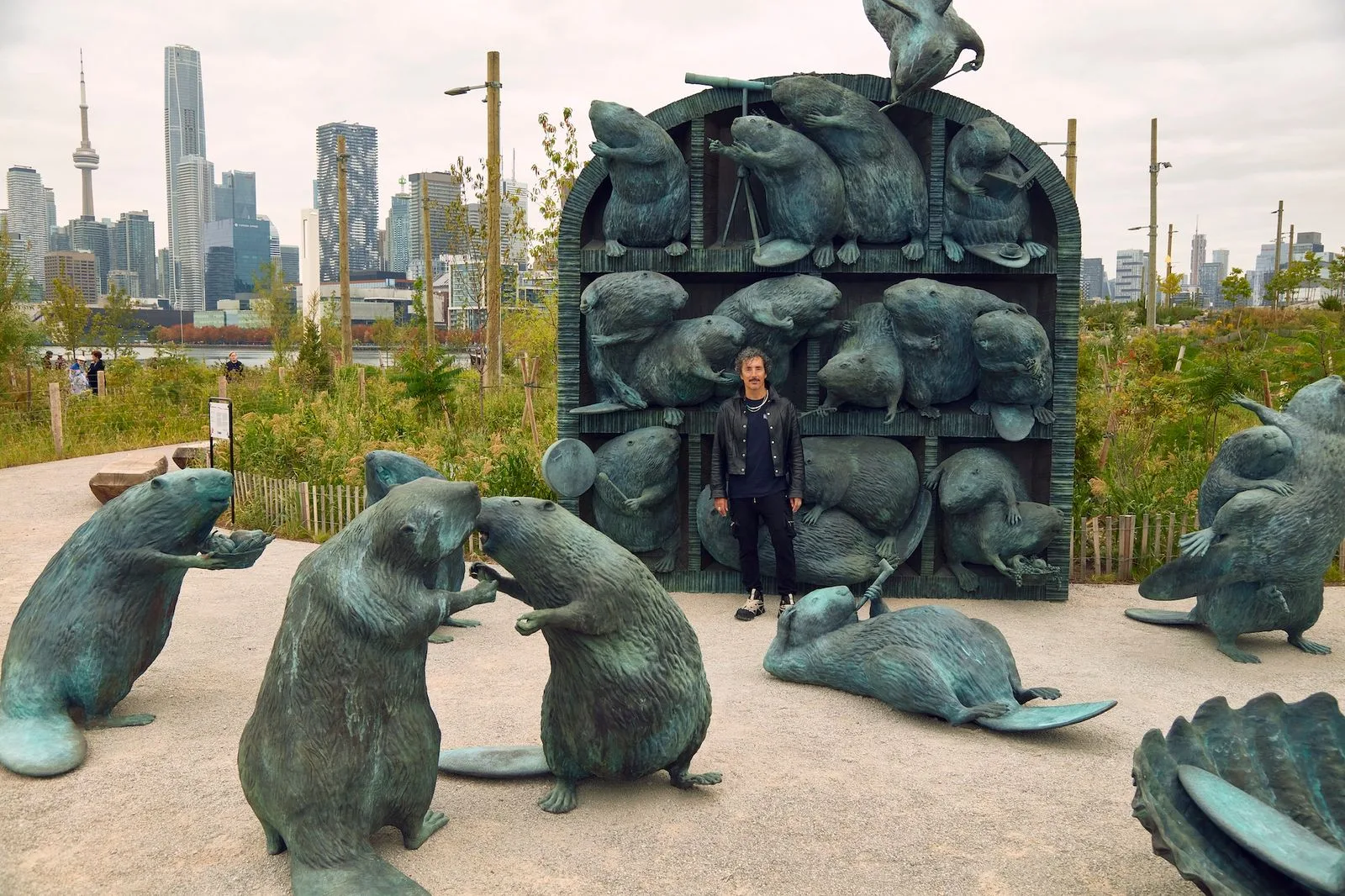
Kent Monkman’s First Public Sculpture Is a Bronze Condominium for Beavers on Toronto’s Waterfront
Cree artist Kent Monkman's The Colony, a permanent bronze and steel work...
illustrarch Editoral Team2 Mins read
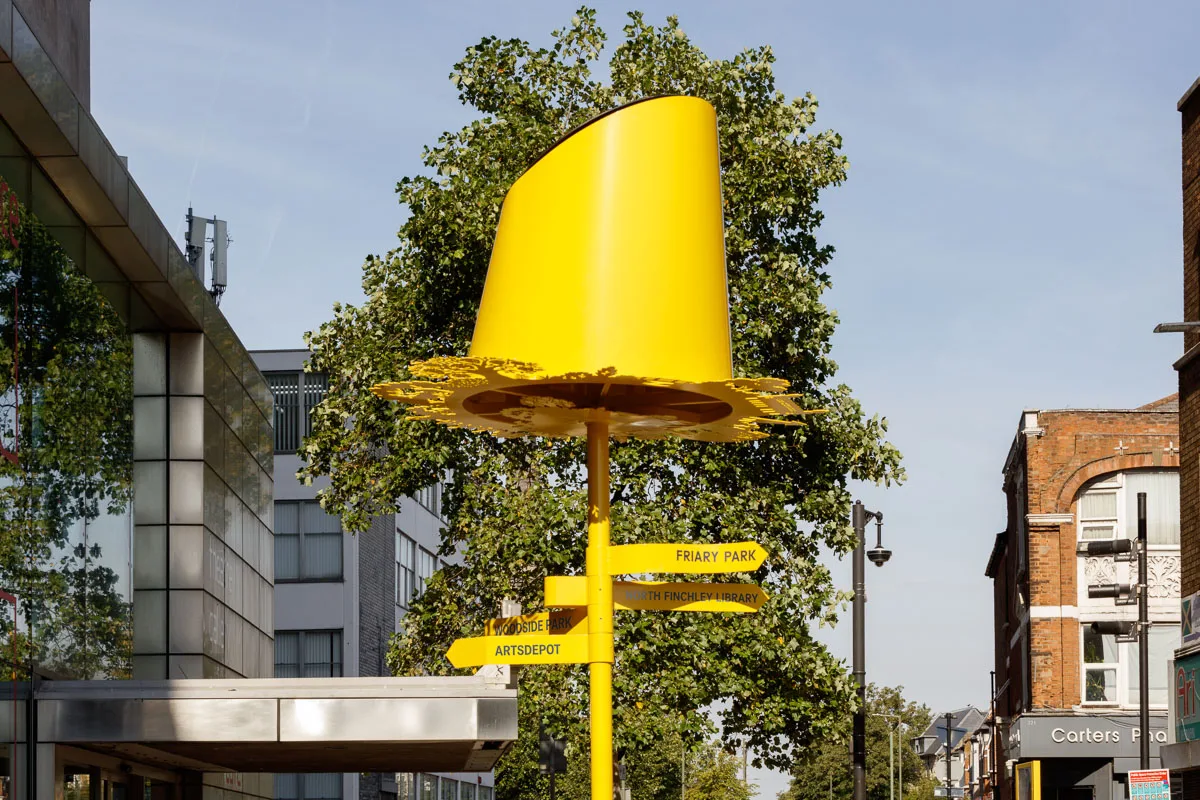
andre kong studio and Wayward Turn Old Lampposts into Solar-Powered Waylamps in Barnet
Four Waylamps by andre kong studio and Wayward reuse old lampposts as...
illustrarch Editoral Team1 Mins read


Leave a comment