

Honolulu’s 1938 Wo Fat Building Will Become Affordable Housing and a Museum
New owners of Chinatown's vacant Wo Fat Building plan 22 affordable flats by February, ground-floor shops in 2027 and a museum in the restored Dragon Room.
 illustrarch Editorial Team21 November 20262 Mins read1
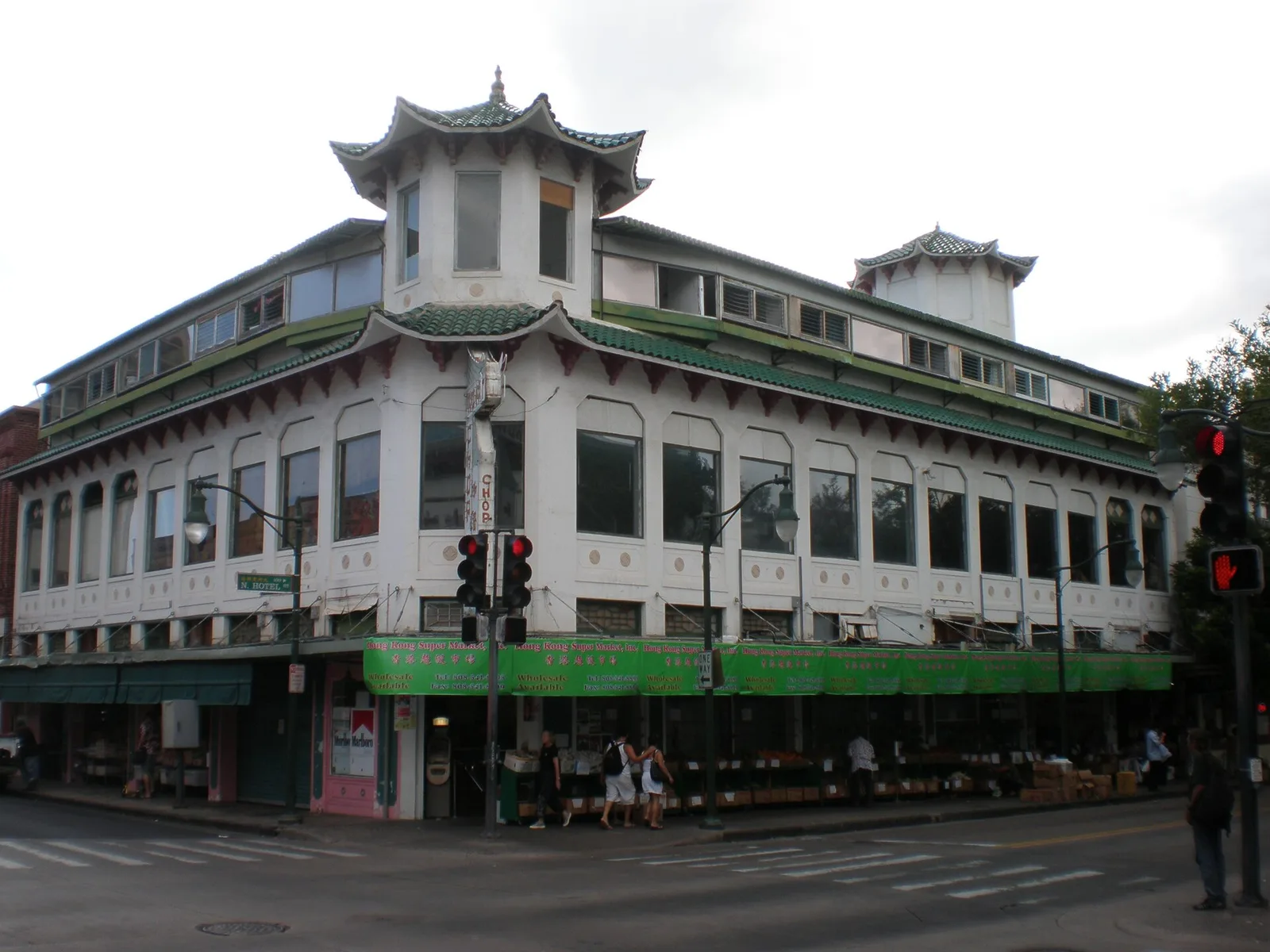
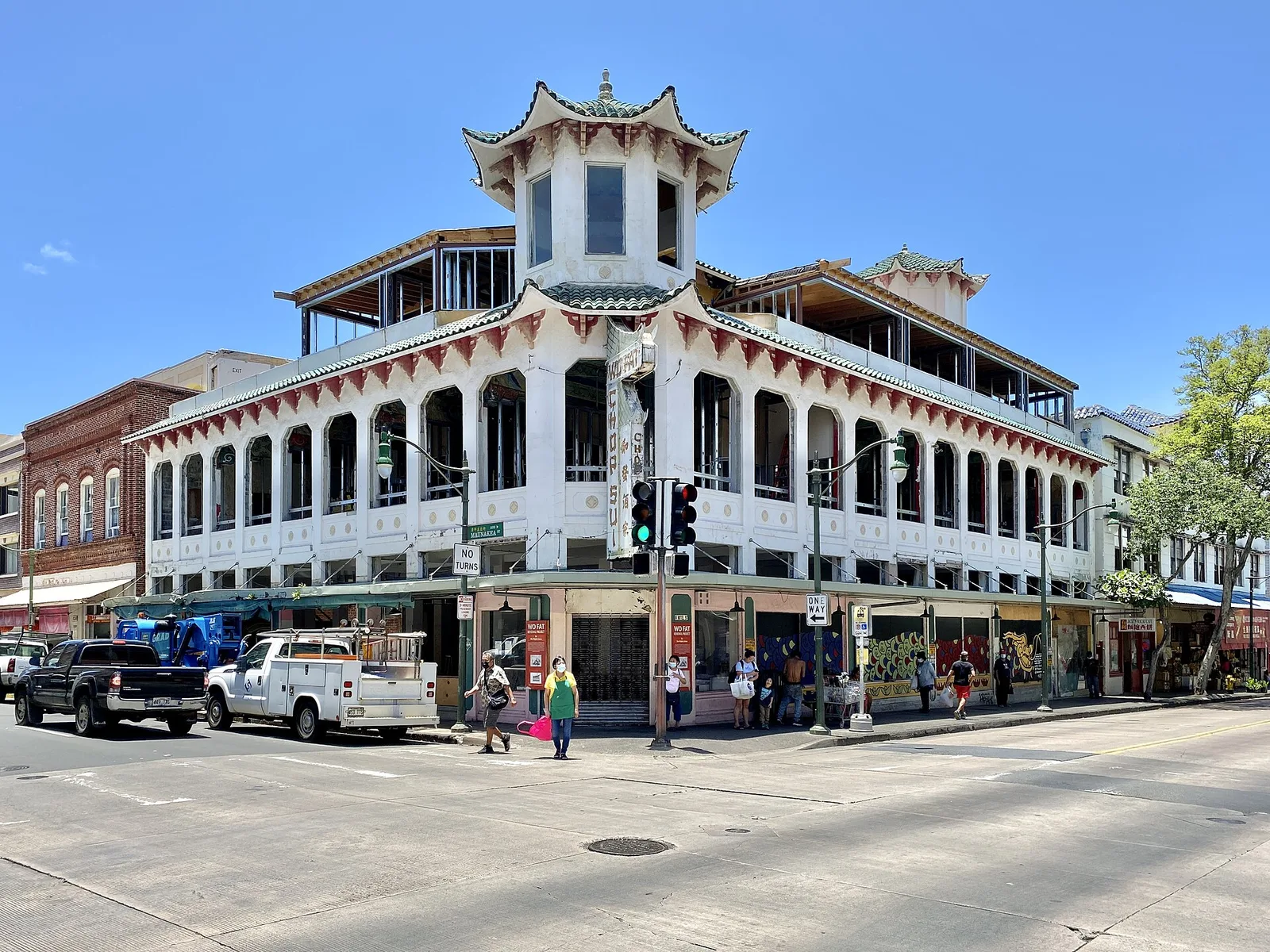
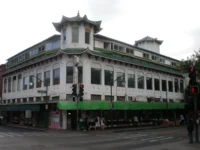
Honolulu’s Wo Fat Building, the pagoda-topped landmark at the corner of Hotel and Maunakea streets that has stood largely empty since its famous restaurant closed in 1994, is being turned into affordable housing, shops and a small museum. Investors Wai Tung “Ave” Kwok and Del Fujinaka bought the 1938 building this summer for $2 million and plan to have 22 affordable apartments ready on the second and third floors by February.
 A 300-Metre Section of Jerusalem’s Ancient Lower Aqueduct Will Shape a New Neighbourhood
 Frank Gehry’s Colburn School Expansion and Kohl Hall Will Open on 25 September 2027
 Not a Museum Will Fill Tokyo’s Former Imperial Hotel Plaza Until the Tower Is Rebuilt
 Mantua’s Palazzo Ducale Nears the End of a 14-Year Earthquake Restoration
Around 5,500 square feet of restaurant and retail space on the ground floor is scheduled to follow in August or September 2027. The rentals will be limited to households earning up to 80 percent of area median income, and the owners say a quarter of the units are already spoken for, with 11 prospective retail tenants lined up for the street level.
Art Deco and Chinese motifs on a Chinatown corner
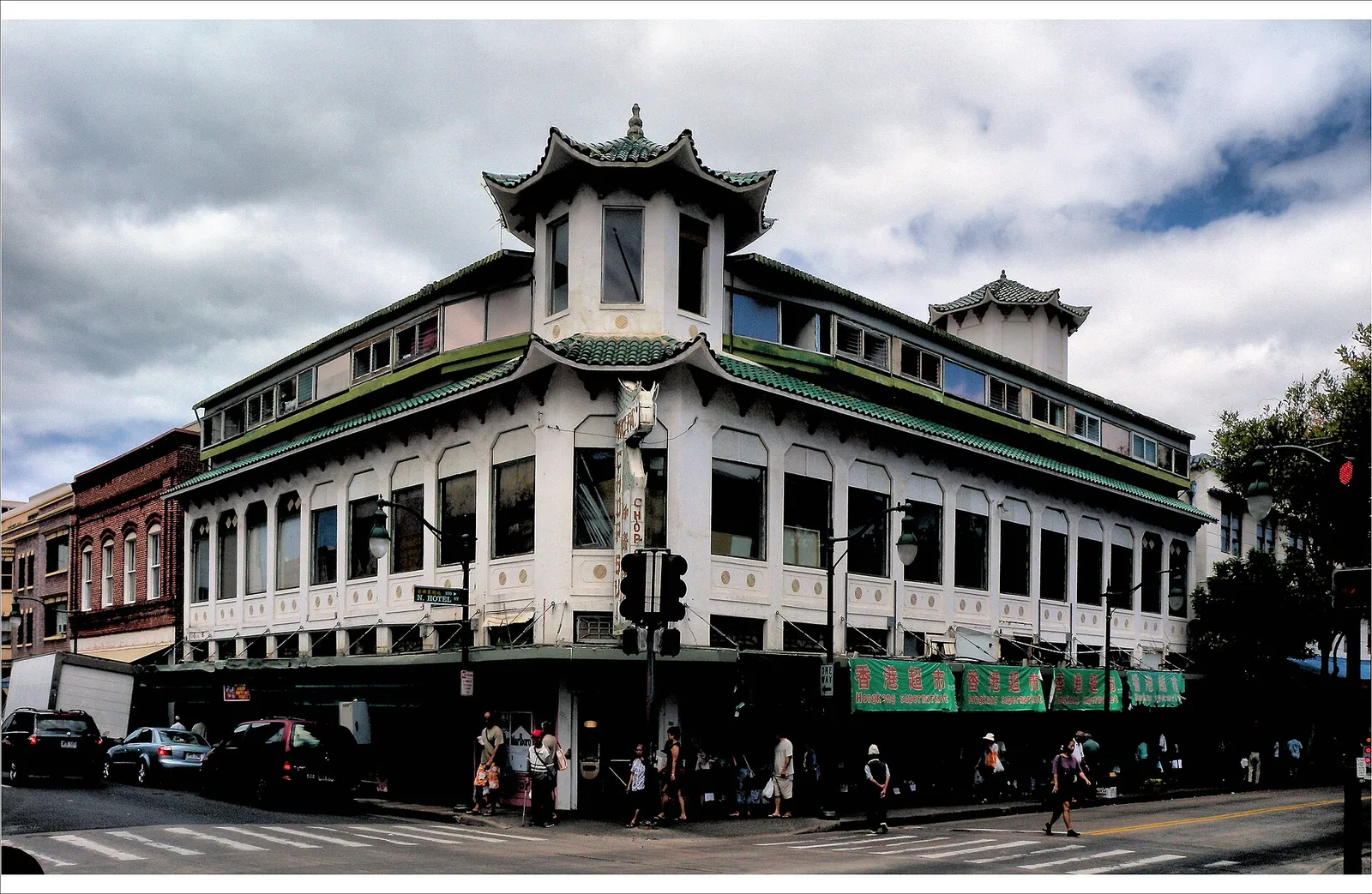
The Wo Fat restaurant business dates back before Chinatown’s great fires of 1886 and 1900. W.S. Ching built the present structure at the end of the 1930s, with a design by Chinese American architect Yuk Ton Char that combined Art Deco massing with Chinese elements: a pagoda roof, green glazed tiles and Chinese-language signage that still mark the corner today.
Inside, the most valued space is the Dragon Room, an octagonal room on the third floor overlooking Maunakea Street, with a dragon mural and painted columns by the Japanese American artist T. Takeuchi. The room, which has appeared as a filming location in “Hawaii Five-0”, will be restored and opened as a museum on the history of Wo Fat and of Chinatown’s place in Hawaii’s Chinese community.
Why the Wo Fat Building is becoming housing, not a hotel
The building has gone through several failed rescue attempts. About nine years ago a group that included former University of Hawaii football coach June Jones paid $4 million for it with plans for a ground-floor restaurant and bar beneath roughly two dozen hotel rooms, but the scheme never went ahead and the property passed to contractor White Sands Construction, which sold it to Kwok and Fujinaka.
Kwok, who chairs the nearby Maunakea Marketplace, says apartments make more sense here than a boutique hotel, noting that 127 people are queuing for affordable units at the marketplace. Residents, he says, bring activity to the neighborhood outside business hours. “My tenants are my eyes and ears,” he told the Honolulu Star-Advertiser.
The owners had spent about $800,000 on renovation by early September and expect to put in another $3.5 million, while the Star-Advertiser puts the overall cost at $3 million to $5 million. The project is in permitting. For a neighborhood that has seen many proposals for the building come and go, the plan keeps the historic shell and its signature interior while putting people back into upper floors that have been dark for three decades.




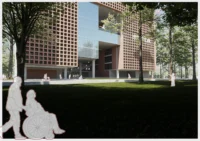
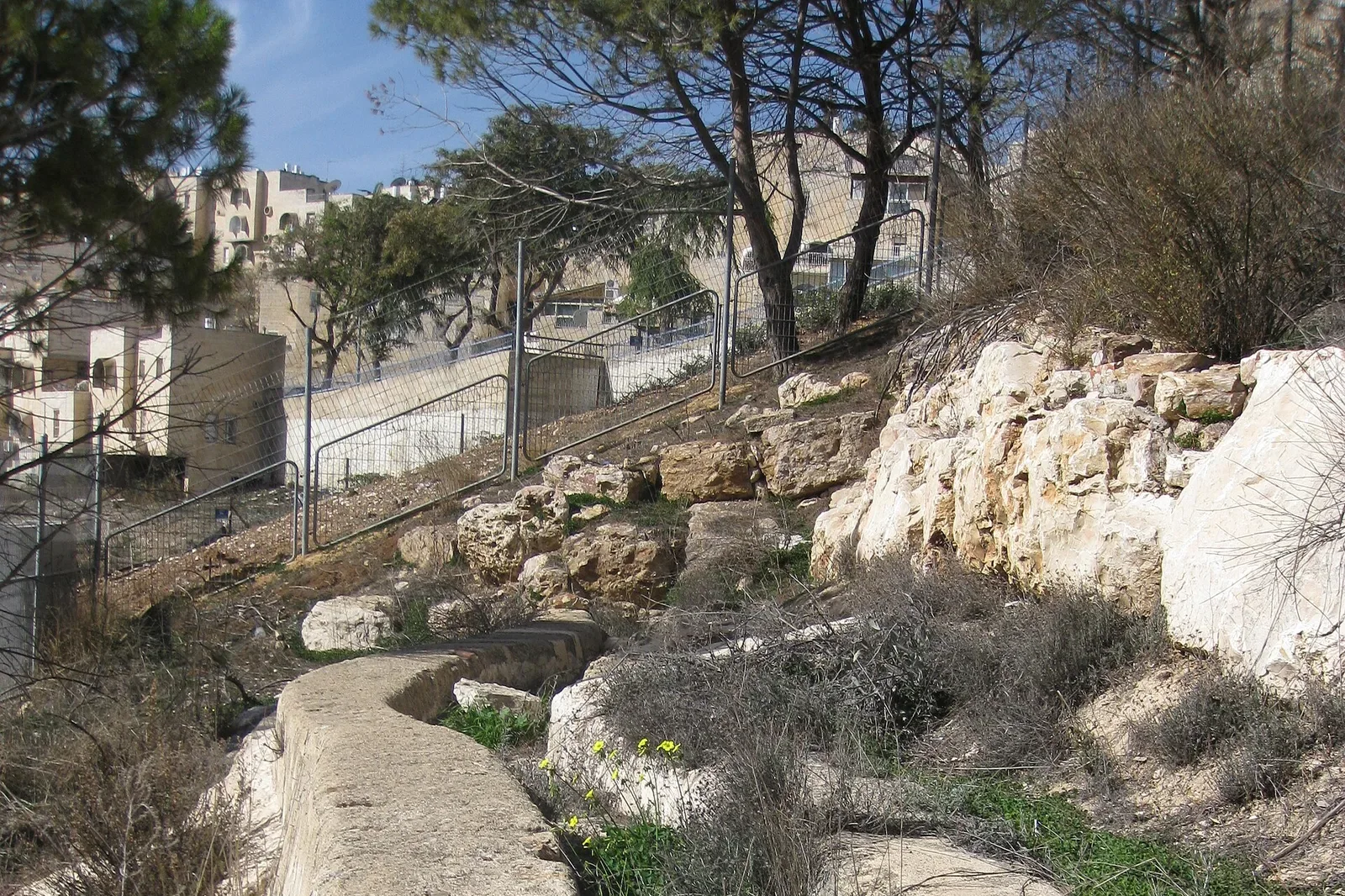
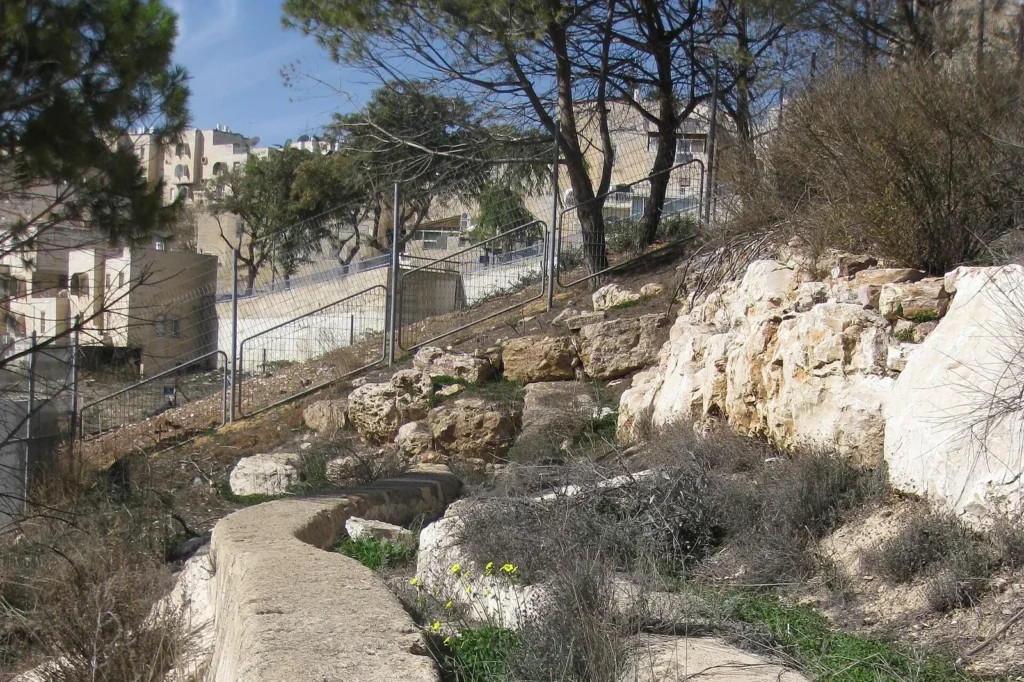
A 300-Metre Section of Jerusalem’s Ancient Lower Aqueduct Will Shape a New Neighbourhood
A salvage dig in East Jerusalem exposed 300 metres of the Hasmonean...
illustrarch Editorial Team2 Mins read
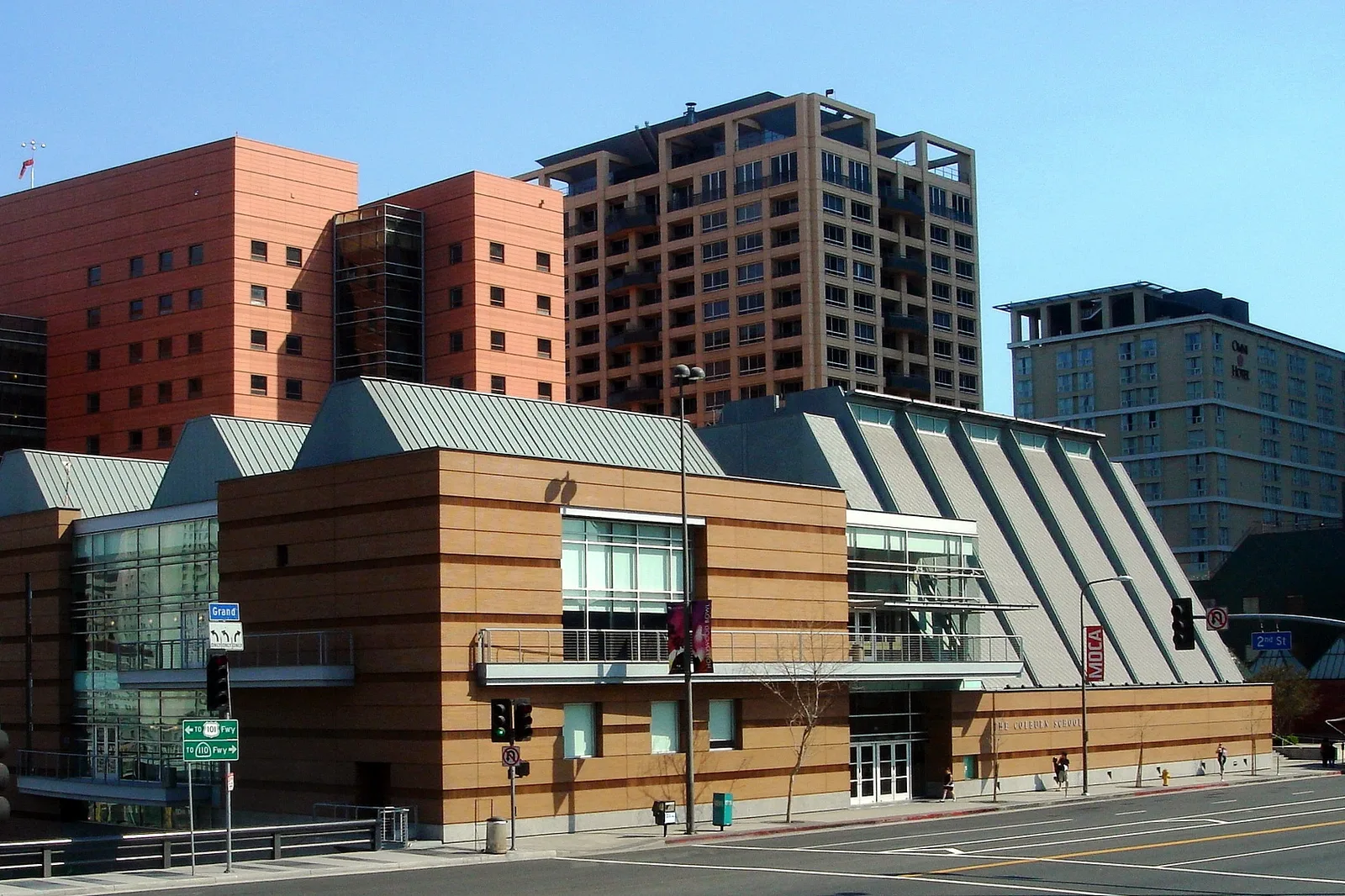
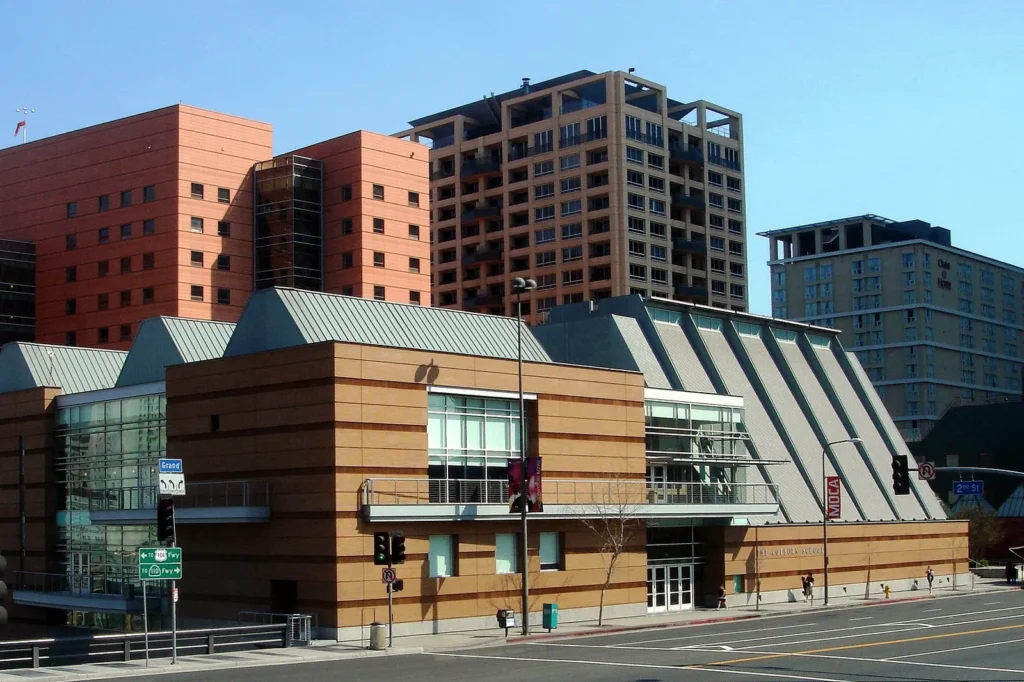
Frank Gehry’s Colburn School Expansion and Kohl Hall Will Open on 25 September 2027
Colburn has set 25 September 2027 for the opening of its 100,000...
illustrarch Editorial Team2 Mins read
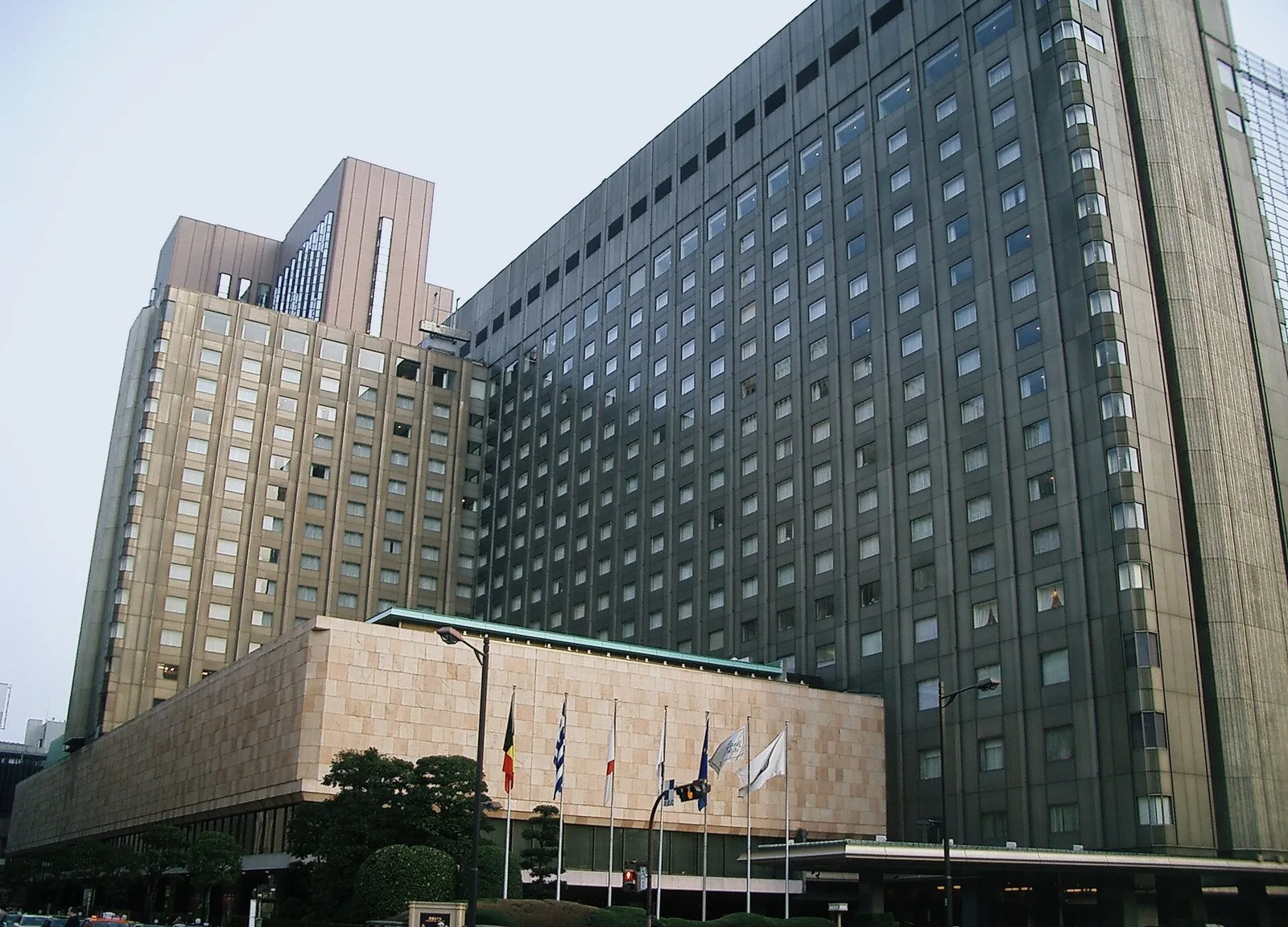
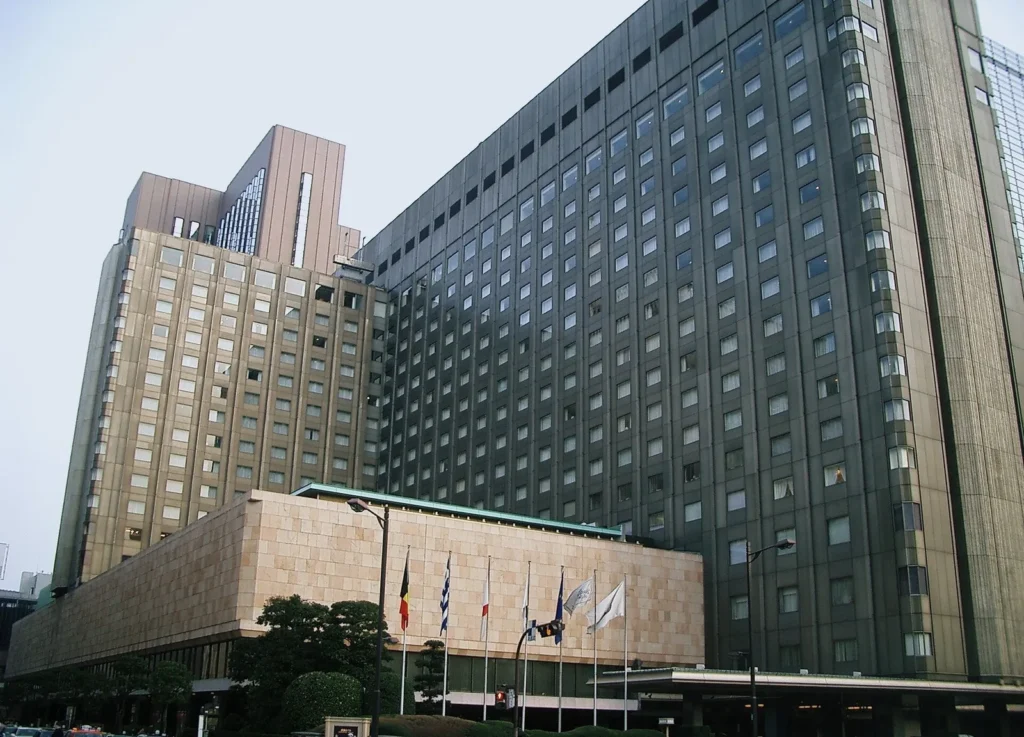
Not a Museum Will Fill Tokyo’s Former Imperial Hotel Plaza Until the Tower Is Rebuilt
NOT A CITY and SKWAT will run Not a Museum, a four-year...
illustrarch Editorial Team2 Mins read
Mantua’s Palazzo Ducale Nears the End of a 14-Year Earthquake Restoration
Damaged by the 2012 earthquakes, the 35,000 square metre Gonzaga palace in...
illustrarch Editorial Team2 Mins read





Leave a comment