

6 Ways How to Improve Architecture Design Skills
Designing under time constraints is also quite challenging. It may feel like you are unsuitable for the job, but you just need a muse, some training, or an extra set of eyes. In this article, we will go over various options for you to choose from.
 Begum Gumusel14 January 20236 Mins read687

Table of Contents Show
If you are an aspiring architecture designer wanting to improve your skills, this article is for you. Starting a design project from scratch is hard, and it gets harder when mild panic creeps in because the main idea has not arrived yet.

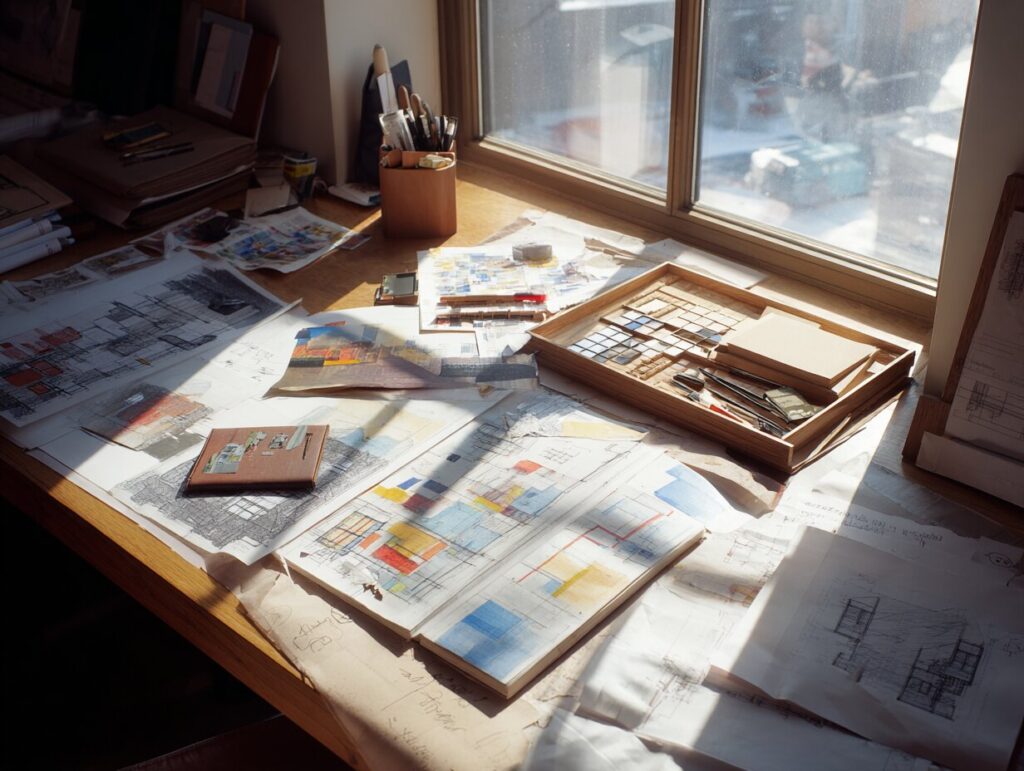

Designing under time pressure adds to that. It can feel like you are not suited to the job, when what you usually need is a source of ideas, some deliberate practice and an extra set of eyes. Below are six ways to build design skill, and each one now ends with a concrete exercise: how long it takes and what you should have on paper or on screen when you finish. Treat them as a weekly routine rather than a list to read once.
1. Visit architecture expositions and shows
Surround yourself with people who have knowledge to offer. Architecture exhibitions, biennales and open studio events let you see how other designers frame a problem, test ideas and present the result, and they often put drawings and models on display that never make it into magazines.
Many cities also run Open House weekends, when buildings that are normally closed let the public in. Open House Worldwide describes itself as a network of 60 organisations running these festivals, and it has been opening buildings to the public since 1992. Check whether your city is on their list before you plan a trip elsewhere. If an exhibition is not open in your region, look for its online catalogue, recorded talks or virtual tour instead.
You do not want your work to copy anyone else’s, yet inspiration can come from anywhere. Exhibitions are also a chance to talk with other professionals about the projects you are each working on, and those conversations are often more useful than the wall texts.
Exercise (2 to 3 hours, once a month): visit one exhibition or open building. Choose three exhibits and, for each, write one sentence on the idea, one on how it was communicated (model, drawing, film) and one on what you would borrow for your next project. Output: one A4 page of notes and two quick sketches.

2. Find “your” architectural style
Work out what defines you and what style calls you, then build your skills around it. Your style shapes your creative direction. While you research, keep asking: why do I like this building? What exactly about the architect’s work holds my attention? Keep going until you can answer those questions in plain words. A clear voice tends to appear as your skills improve, not before.
Style is easier to find through comparison than through browsing. A structured architecture precedent study forces you to look at plan, section, structure and material instead of only the photograph that caught your eye.
Exercise (90 minutes, every two weeks): pick two buildings you admire that look nothing alike. Draw the plan of each at the same scale on one sheet and list five things they share (a material, a way of bringing in light, a circulation idea). Output: one comparison sheet. After four sheets, the repeated items on your lists are a good description of your own taste.
3. Acquire More Digital Skills
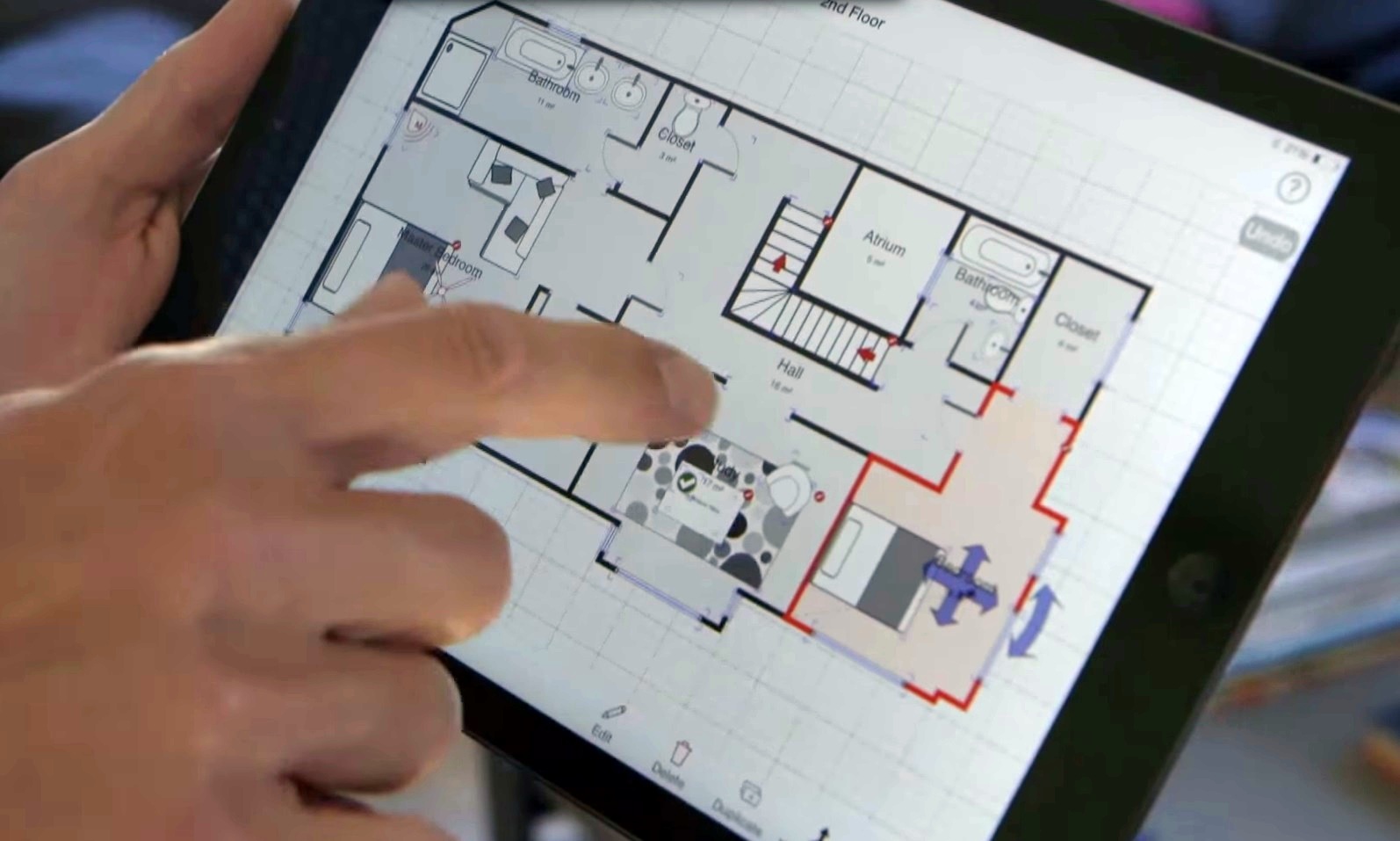
Looking at your work through a digital model before it leaves the studio helps you catch flaws and see the idea in three dimensions. Digital tools let you test complex forms, run calculations that would take days by hand and check daylight or structure early.
They also make it easier to share work with a wide audience, and digital tools have put sketching and presentation in your pocket. Good digital skills help you produce a design that meets safety regulations and the client’s needs, not only one that looks good. For a closer look at which programs help at which stage, see our guide on how to improve architectural design skills with digital tools.
Exercise (30 minutes a day, five days a week): pick one program and one small skill per week, such as modelling a stair, setting up a section view or exporting a clean line drawing. Rebuild the same simple object each day, a little faster. Output: a dated folder with five files and a one-line note on what you learned from each.
4. Never undervalue the impact of literature
When everything else fails, go back to the books. Architectural writing is full of instructions and ideas from the people who shaped the field. Reading a memoir by a notable architect, or a close study of one project, widens your understanding and builds empathy for clients, users and communities.
Libraries are the cheapest way in. Your school library is the first stop, and large professional collections are worth a visit when you travel. The RIBA Library in London, for example, holds material ranging from 15th century illustrated texts to current architectural journals.
Exercise (20 minutes a day, one book a month): read one book or long essay per month. For each chapter, copy one sentence that changed how you see a building and draw a small diagram that explains it. Output: a reading notebook with one diagram per chapter, which also makes a ready source of references for essays and juries.

5. Visit Structures
What better way to grow in your field than by studying buildings in person? Make a list of the buildings you most want to see, near and far, and visit them whenever you have the time and means.
Take in the design yourself and learn from architects whose work has stood up in the real world. People learn through imitation and visual information, so set yourself the goal of studying as many buildings as you can and noting what works and what does not. Photographs flatten space. Your own drawings record what you actually noticed: the entrance sequence, the height of a ceiling, where the light falls at a given hour.
Exercise (1 to 2 hours, once a week): visit one building, even a modest local one. Produce a set of four drawings: a quick plan from memory, a section through the main space, one perspective from the entrance and one detail (a handrail, a window reveal, a joint). Output: four sketches on one spread, dated and labelled. Twelve weeks of this gives you a small travel sketchbook and a much better eye for proportion. If you need a refresher on drawing types, our student’s guide to architectural drawings covers the main ones.
6. Take Note of Criticism and Outside Input
Criticism can hurt, especially when you take pride in your work, but everyone needs outside input to improve. Show your work to your peers, ask for their honest view and look for ways to strengthen the design.
Another way to get input and reach a wider audience is to start a blog or an online portfolio. Sharing your latest designs puts them in front of people with different knowledge and experience, and their comments give you a fresh perspective.
Feedback only helps if you can use it. Here is a short method for turning a crit or a peer review into better work:
- Before the review: write down the two or three questions you want answered, such as “Does the entrance read clearly?” Bring them to the table and ask them if the reviewers do not cover them.
- During the review: ask a friend to write down every comment word for word while you listen and answer. You will remember the tone of a crit better than its content.
- Same evening (30 minutes): sort each comment into three groups: act on it now, test it, or park it. A comment repeated by two reviewers goes straight into the first group.
- Next day: turn the first group into a dated to-do list of drawings and model changes, each small enough to finish in one sitting.
- Next review: open with one sentence on what you changed since last time. It shows that you listened and points the discussion forward.
If presenting is the hard part, our guide to the architecture crit presentation covers how to structure what you say at the wall.
Exercise (1 hour after every crit): run the five steps above. Output: one page with the comment log, the three groups and the to-do list. Keep these pages together; after a semester they show which comments keep coming back, which is where your next skill gains are.
A weekly practice plan at a glance
| Habit | Time | How often | Output |
|---|---|---|---|
| Exhibition or open building | 2 to 3 hours | Monthly | A4 notes page and two sketches |
| Style comparison | 90 minutes | Every two weeks | One plan comparison sheet |
| Digital drill | 30 minutes | Five days a week | Five dated files |
| Reading | 20 minutes | Daily | One diagram per chapter |
| Building visit | 1 to 2 hours | Weekly | Four-drawing sketch set |
| Crit follow-up | 1 hour | After every review | Comment log and to-do list |
Do not try to start all six in the same week. Begin with the building visit and the crit follow-up, since both feed straight into studio work, and add one more habit every two weeks.
Conclusion
Improving design skills is a goal for every architect, especially those just starting out. Inspiration from your surroundings, steady reading and honest input from peers and tutors all help, but they work best when each one produces something you can look back at. Keep the sketch sets, reading notes and crit logs in one place, and review them at the end of each semester to see how far your drawing and thinking have moved.







Interior Design for Commercial Spaces: Enhancing Functionality and Brand Identity
Commercial interior design has to serve brand, function and regulation at once....
Begum Gumusel4 Mins read

Futuro House Production Revived in Finland After Decades-Long Hiatus
A Facebook listing for abandoned moulds led to the first new Futuro...
 illustrarch Editorial Team3 Mins read

Building Your Dream Home in NSW: What You Should Know About Montgomery Homes
Montgomery Homes has been building across Sydney, Newcastle, the Hunter, Wollongong and...
illustrarch Editorial Team4 Mins read

Designing a Home Theater: Where Drapery Fits Into the Plan
In a media room the curtains are a performance layer, not decoration....
illustrarch Editorial Team3 Mins read






Leave a comment