

Why Architecture Students Need Feel Good Productivity for Success and Well-Being
Discover how architecture students can embrace "feel-good productivity" to balance creativity, efficiency, and well-being. Learn strategies to manage intense workloads, reduce burnout, and foster innovation by integrating self-care and enjoyable practices into daily routines for a healthier, more inspired approach to academic success.
 Sinan Ozen14 May 20257 Mins read397

Table of Contents Show
Architecture students face a unique blend of creativity, precision, and relentless deadlines. Balancing studio work, design critiques, and academic responsibilities often leaves us feeling overwhelmed and drained. It’s not just about getting things done, it’s about how we feel while doing it. That’s where the idea of “feel-good productivity” helps: getting the work done in a way you can keep up for a whole semester.
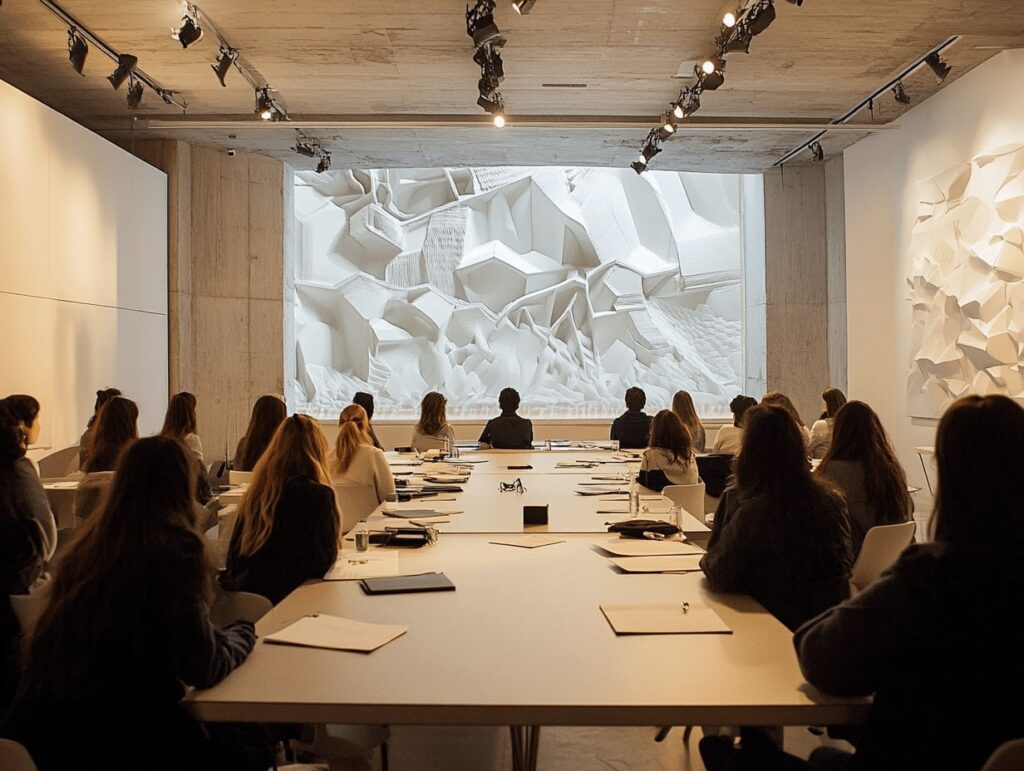


When productivity takes both output and well-being into account, the work usually gets better too. It is not only about checking tasks off a list; it is about setting up days in which you can think clearly, rest properly and still enjoy design. For architecture students, this approach changes how heavy workloads feel and makes it easier to stay interested through a long project.
By embracing feel-good productivity, we can reduce burnout, maintain our passion for design, and produce work we’re genuinely proud of. It’s time to rethink how we work and ensure our productivity fuels our growth, not just our to-do lists.

The Importance Of Productivity In Architecture Studies
Architecture studies require a refined balance between creativity, technical skills, and time management. Productivity becomes a cornerstone of success in this demanding field.

Demands And Challenges Of Architecture Education
Architecture programs combine theoretical knowledge with practical execution. Students often face challenges like mastering design principles, learning complex software, and producing detailed models or drawings. Tight deadlines, frequent critiques, and long study hours add to the intensity, leaving little room for error. This demanding environment pushes us to work efficiently while maintaining high creativity.
The Role Of Productivity In Managing Workload
Effective productivity strategies help you handle heavy workloads. By prioritizing tasks like project planning and resource allocation, we gain better control over timelines. Managing time efficiently allows us to meet academic expectations without compromising creativity or quality. Productivity also reduces unnecessary stress, keeping us focused and motivated in a fast-paced learning environment.
Understanding Feel Good Productivity
Feel-good productivity prioritizes a balance between performance and well-being. It shifts focus from solely completing tasks to enhancing mental, emotional, and creative states.

What Is Feel Good Productivity?
Feel-good productivity is an approach that combines task completion with personal well-being. Unlike standard productivity methods, it integrates self-care and enjoyment into the workflow. For architecture students, this can mean aligning workload management with activities that boost creativity and reduce burnout.
For example, taking short breaks for hobbies, designing in a relaxed setting, or scheduling projects during peak energy hours helps maintain efficiency. This method doesn’t compromise academic rigor but ensures students sustain motivation and health throughout their studies.
How It Differs From Traditional Productivity Approaches
Traditional productivity prioritizes output and deadlines, often disregarding emotional states. While these methods focus on measurable results, they may lead to exhaustion or reduced creativity over time.
Feel-good productivity, on the other hand, emphasizes the quality of engagement and self-satisfaction during tasks. In architecture studies, this could involve simplifying multitasking through organized workflows or incorporating reflective practices like journaling design ideas. By embedding positivity into the process, students can achieve consistency without sacrificing mental or emotional balance.
Why Architecture Students Need Feel Good Productivity
Feel-good productivity helps architecture students cope with intense academic demands. It encourages a healthier routine, so students can keep both their creativity and their well-being through a demanding course.

Combating Burnout And Stress
Architecture students face constant deadlines, critiques and several projects at once. Feel-good productivity lowers the risk of burnout by building rest into the week on purpose, instead of waiting until you are exhausted. General advice to “relax more” rarely survives a deadline week, so turn it into specific rules you can follow:
- Set a daily stop time. Pick a time, for example 11 pm, after which you do not open project files. Write it on your studio calendar so classmates know too.
- Protect weekly off-hours. Block one half day each week, such as Saturday afternoon, with no studio work at all, and treat it like a class you cannot skip.
- Avoid all-nighters. The Architecture Careers Guide advises students preparing for reviews not to pull all-nighters and to keep late nights and early mornings within a routine that still includes sleep and proper meals.
- Plan the night before a review. Decide two days before the crit what will not be finished, and drop it, rather than discovering it at 4 am.
- Watch the warning signs. Headaches, poor sleep and avoiding work you normally enjoy are signals to slow down, not to push harder.
The National Institute of Mental Health stress fact sheet lists simple coping steps that fit a studio week well: regular exercise and meals, a steady sleep routine, cutting back on excess caffeine, relaxation or mindfulness exercises, and reaching out to friends or family who help you cope. None of these needs much time, but all of them are the first things students drop before a deadline.
Encouraging Creativity And Innovation
Creativity flourishes when students experience mental clarity and positive emotions. Feel-good productivity integrates inspiring activities, such as exploring art forms or nature walks, into daily schedules. These activities spark fresh ideas and reduce overwork, which helps when you face a difficult design problem. Our list of daily habits that boost design thinking suggests small routines you can add without losing studio time.
Balancing Academic And Personal Life
Balancing coursework with personal interests makes the work more sustainable and more satisfying. In practice, balance comes from a few fixed commitments rather than a vague intention:
- Keep one non-architecture activity. A sport, a choir, a part-time job or a weekly meal with friends gives your brain a complete change of subject. Put it in your calendar before the semester’s deadlines fill it up.
- Separate studio from home where you can. If you work in the studio, leave the model there; if you work at home, pack the desk away at your stop time.
- Plan the week on Sunday. List the week’s deadlines, then place your off-hours and your non-architecture activity first, and fit studio work around them.
- Bring interests into projects, not projects into every interest. A love of music, cooking or sport can inspire a design brief, but your evenings out should not turn into site analysis.
| Habit | Concrete version | Why it helps |
|---|---|---|
| Daily stop time | No project files after a fixed hour | Protects sleep and makes the next morning productive |
| Weekly off-hours | One half day per week with no studio work | Gives a reliable recovery point every week |
| One outside activity | A fixed weekly sport, hobby or social plan | Breaks the constant focus on studio |
| Pre-review cut list | Decide what to drop two days before a crit | Avoids last-minute all-nighters |
Tips For Embracing Feel Good Productivity
Feel-good productivity combines effective task management with mental and emotional well-being. By adopting mindful strategies, architecture students can maintain creativity and energy throughout their demanding academic schedules.

Setting Realistic Goals
Setting realistic goals creates a focused and manageable workflow. We recommend breaking large tasks into smaller, actionable steps. For instance, instead of completing a full design project in one sitting, outline phases such as concept sketching, modeling, and rendering. Prioritize tasks based on deadlines and complexity, ensuring progress feels attainable. Use daily or weekly goals to track advancements while avoiding overwhelm.
Incorporating Breaks And Self-Care
Regular breaks and self-care enhance focus and prevent burnout. Incorporate 5-10 minute breaks after every hour of work to rest and recharge. Use this time for stretching, quick walks, or mindfulness exercises to reset. Dedicate some evenings to hobbies or relaxing activities like painting or listening to music. These practices improve overall well-being, making study sessions more productive.
Using Tools And Techniques For Efficiency
Efficient tools and techniques streamline workflows. Use project management apps like Trello or Notion to organize tasks and deadlines. Software shortcuts in programs such as AutoCAD or Rhino save hours during modeling or drafting. Time-blocking or the Pomodoro Technique ensures optimal productivity by allocating focused periods for work and breaks. These methods allow us to sustain high performance without unnecessary stress.
Benefits Of Feel Good Productivity For Architecture Students
Feel-good productivity gives architecture students a balanced way to manage academic and creative demands in a high-pressure environment. This approach supports mental clarity, emotional resilience, and consistent performance.

Enhanced Focus And Motivation
A positive and balanced workflow sharpens focus and sustains motivation throughout demanding schedules. When we integrate enjoyable elements like breaks or relaxing surroundings into our routines, distractions decrease, and energy levels stabilize. This encourages long-term engagement with complex tasks such as refining models, learning new software, or preparing presentations. By aligning effort with personal well-being, productivity becomes more fulfilling and effective.
Improved Overall Well-Being
Prioritizing mental and emotional health enhances overall well-being, reducing the chances of burnout common in architecture programs. Self-care activities such as meditation, exercise or hobbies support creativity and help with stress. With a clearer head and steadier mood, tight deadlines and frequent critiques become easier to handle.
When to Talk to Someone
Good habits help, but they are not a replacement for support. The NIMH fact sheet notes that when stress symptoms interfere with everyday life, make you avoid things or seem to be always present, you may be at risk of an anxiety disorder, and that if you are struggling to cope it may be time to talk to a professional. Check whether your university has a student counselling or wellbeing service, usually listed on the student services pages, or ask your tutor, year coordinator or student union where to go. Booking an appointment early in a hard semester is a sensible step, not a sign that you cannot cope.
If you are in the United States and in immediate distress, you can call or text the 988 Suicide and Crisis Lifeline. Outside the US, use your local emergency number or crisis line. For more ways to look after yourself during the degree, read our list of wellness essentials for surviving architecture school stress.
Better Academic And Design Outcomes
Adopting feel-good productivity methods improves the quality of academic work and creative projects. When we operate from a state of mental and emotional equilibrium, our creative thinking and problem-solving skills improve. This leads to stronger design ideas, clearer presentations and better deliverables. By managing workloads effectively and ensuring a positive workflow, students achieve optimal outcomes without compromising well-being or creativity.
Conclusion
Feel-good productivity offers architecture students a practical way to manage demanding workloads while protecting creativity and well-being. Start small: set a stop time this week, block one half day off, and keep one activity that has nothing to do with architecture. If time itself is the problem, our article on why architecture students struggle with time management looks at where the hours go. By focusing on balanced routines that integrate personal care and purposeful work, students can enhance their ability to meet academic expectations without sacrificing mental or emotional health. This approach favours habits you can sustain for a whole degree, not just one deadline.
Architecture Students Hub
This guide is part of School Life and Learning, stage 6 of our student roadmap from the first diagram to the first internship. Next stage: Concept and Diagrams, or browse every free tool and guide in the Architecture Students Hub.
- Architecture Student Productivity
- boost productivity in architecture
- feel good productivity tips
- improving focus for architecture students
- mindfulness for architecture students
- self-care for architecture students
- study tips for architecture students
- success tips for architecture students
- Time Management for Architecture Students
- well-being for architecture students





Living Walls Are Just the Start: What Biophilic Design Looks Like in Today’s Offices
The living wall became the shorthand for biophilic design, but it is...
 illustrarch Editoral Team5 Mins read

What Architecture Students Should Know About Structural Glass and Guardrail Code
Glass guards look minimal, but structural behavior, safety glazing, connections and guardrail...
illustrarch Editoral Team6 Mins read

Why Do Architecture Students Struggle With Time Management?
Architecture students rarely run out of discipline. They run out of schedule....
Sinan Ozen6 Mins read

Core Modules in an Architecture Degree: What You Actually Study
Design studio, history and theory, building technology, structures, environmental design, representation and...
Sinan Ozen6 Mins read





Leave a comment