

A 2,500-Year-Old Solar Observatory in Puebla Is the First Group E Complex Found Outside the Maya Area
Archaeologists working for Mexico's INAH have confirmed that two platforms at Teteles de Ávila Castillo, in the Sierra Norte of Puebla, were laid out more than 2,500 years ago to follow the sun across the year.
 illustrarch Editoral Team20 October 20262 Mins read10
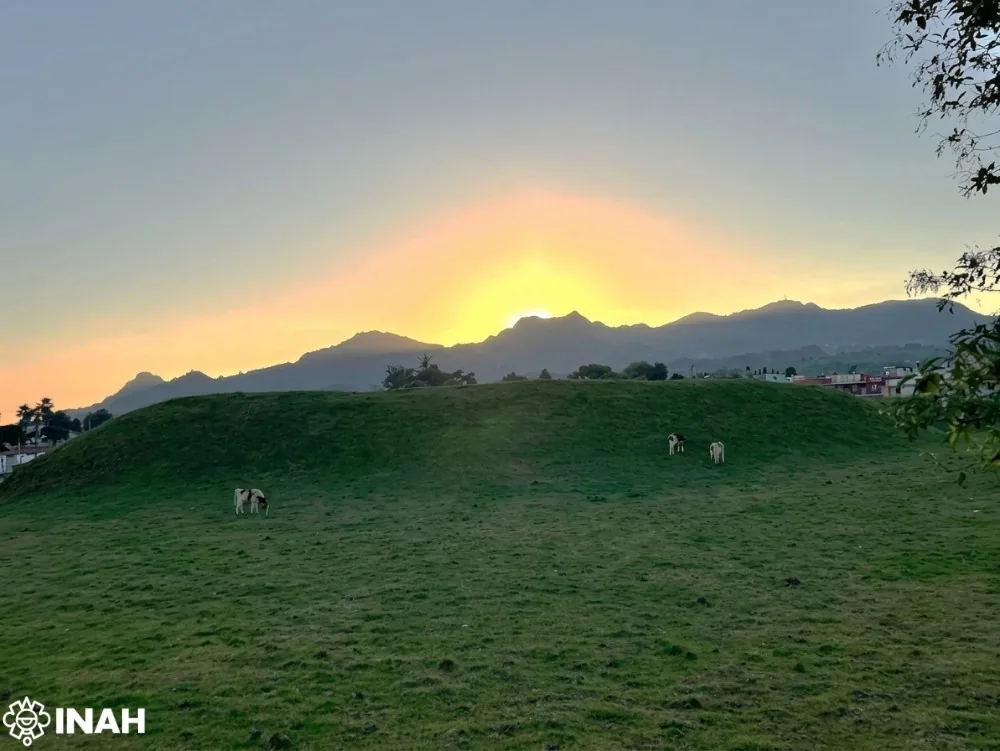
Mexico’s National Institute of Anthropology and History (INAH) has confirmed that an architectural complex at Teteles de Ávila Castillo, in Puebla’s Sierra Norte mountains, worked as a solar observatory more than 2,500 years ago. According to the institute, it is the first complex of its kind recorded in Mesoamerica outside the Maya area, and the oldest of its type in Mexico.
The result comes from the Teteles de Ávila Castillo Archaeological Project, which compared the layout of the site with other Mesoamerican ceremonial centres and watched how the sun rises against the surrounding mountains through the year. The project has been showing that the original plan of the settlement, known as Tetelihtic, and the orientation of its pyramid platforms were both based on observation of the sky.
How the solar observatory is laid out
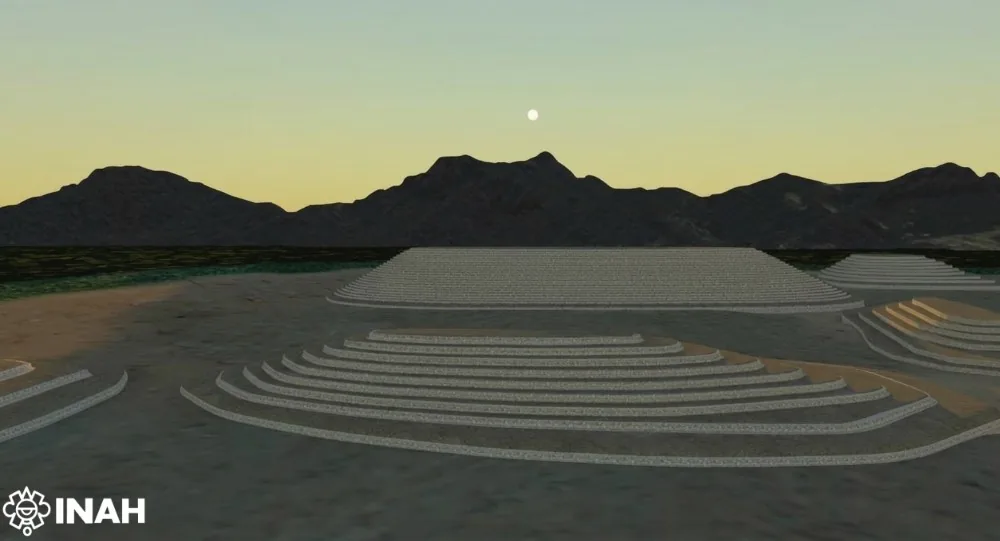
The complex sits east of the Great Plaza of the ceremonial precinct. It is a four sided courtyard framed by two platforms. The eastern one is long and narrow, about 90 metres from south to north and 40 metres from east to west. The western structure is smaller, around 46 by 27 metres, and served as the point from which observers watched the horizon.

This arrangement is what archaeologists call a Group E, a type long associated with the Maya. Project director Alberto Diez Barroso Repizo said the plan of the Puebla complex matches those of the Maya area and compared it with the Group E at Uaxactún in the Petén region of Guatemala, which is about twice as large. Both are dated to the Middle Preclassic period, roughly 1000 to 600 BC.
A calendar set against the mountains
One detail sets Teteles apart. The long platform does not mark the equinoxes at its centre, as many such complexes do. Instead, according to Diez Barroso, it fixed the start of the Mesoamerican calendar in February and the harvest in October. Observations from the front of the eastern platform also showed that it could be used to follow the rising sun at the equinoxes and the solstices, so the building doubled as a solar calendar.
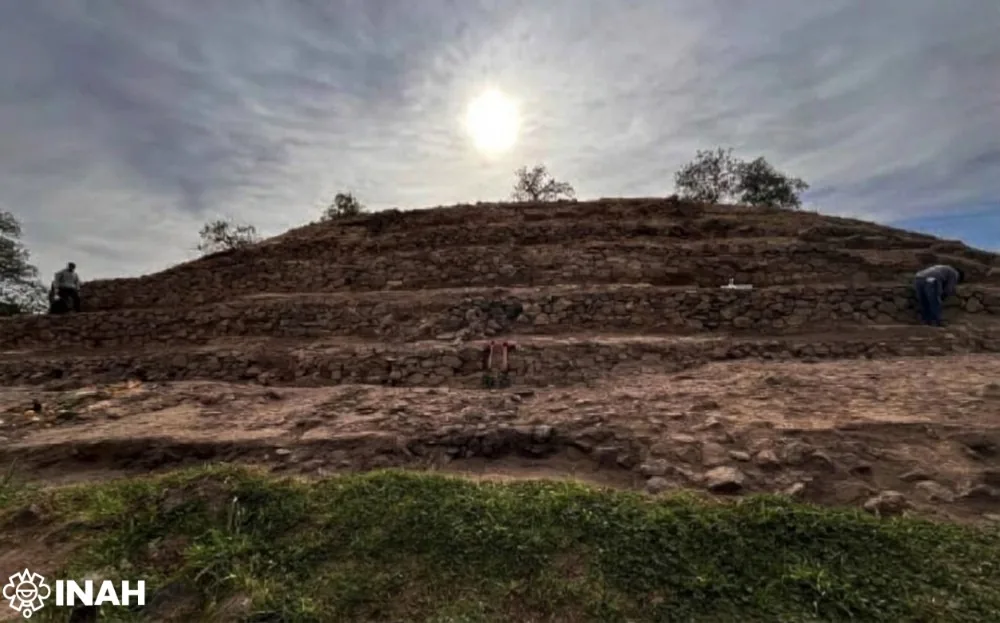
“The architecture of Teteles de Ávila Castillo tells us about societies that developed astronomical knowledge and incorporated it into the organisation of their ceremonial spaces,” said Mexico’s Secretary of Culture, Claudia Curiel de Icaza.
Who built it, and who came after
The researchers see the observatory as evidence that Maya speaking groups may have reached the region already in the first millennium BC, which could help explain the Maya linguistic roots of the Huastec peoples. They also link the orientation of the main structure to Canopus, the night sky’s second brightest star, and to the Nahua goddess Nantehuitz, whose name means “our mother of the south”. Another working hypothesis places the beginnings of Totonac culture here. These ideas remain under investigation.
Tetelihtic was in use from about 900 BC to around AD 100 and was partly abandoned as Cantona, Cholula and Teotihuacan rose. Offerings from AD 100 to 600 around the precinct show that it stayed a place of worship, and a Totonac offering dated between AD 600 and 900 was found on one of the platforms. The findings were presented at the site in a talk and a photography exhibition organised with the local municipality and the Tzoncoyotl civil association.







India Art, Architecture & Design Biennale 2026: Ministry of Culture Opens Delhi Monuments
Delhi's monuments, including Purana Quila and the Red Fort, will host the...
illustrarch Editoral Team2 Mins read

Allentown Art Museum Leaves Its Venturi, Scott Brown Addition for a New Studios Architecture Building
The Allentown Art Museum is moving to a new Studios Architecture building...
illustrarch Editoral Team2 Mins read

Donald Insall, the Conservation Architect Who Led Windsor Castle’s Restoration, Dies at 100
Donald Insall, the British architect who turned conservation into a planning discipline...
illustrarch Editoral Team2 Mins read
Kent Monkman’s First Public Sculpture Is a Bronze Condominium for Beavers on Toronto’s Waterfront
Cree artist Kent Monkman's The Colony, a permanent bronze and steel work...
illustrarch Editoral Team2 Mins read


Leave a comment