

Politecnico di Milano Architecture: Programs & Ranking
A guide to Politecnico di Milano architecture, covering its QS world ranking, bachelor and master programs, the seven campuses in and around Milan, tuition, and the famous alumni who studied and taught at Polimi.
 Elif Ayse Sen28 October 20225 Mins read1.3k
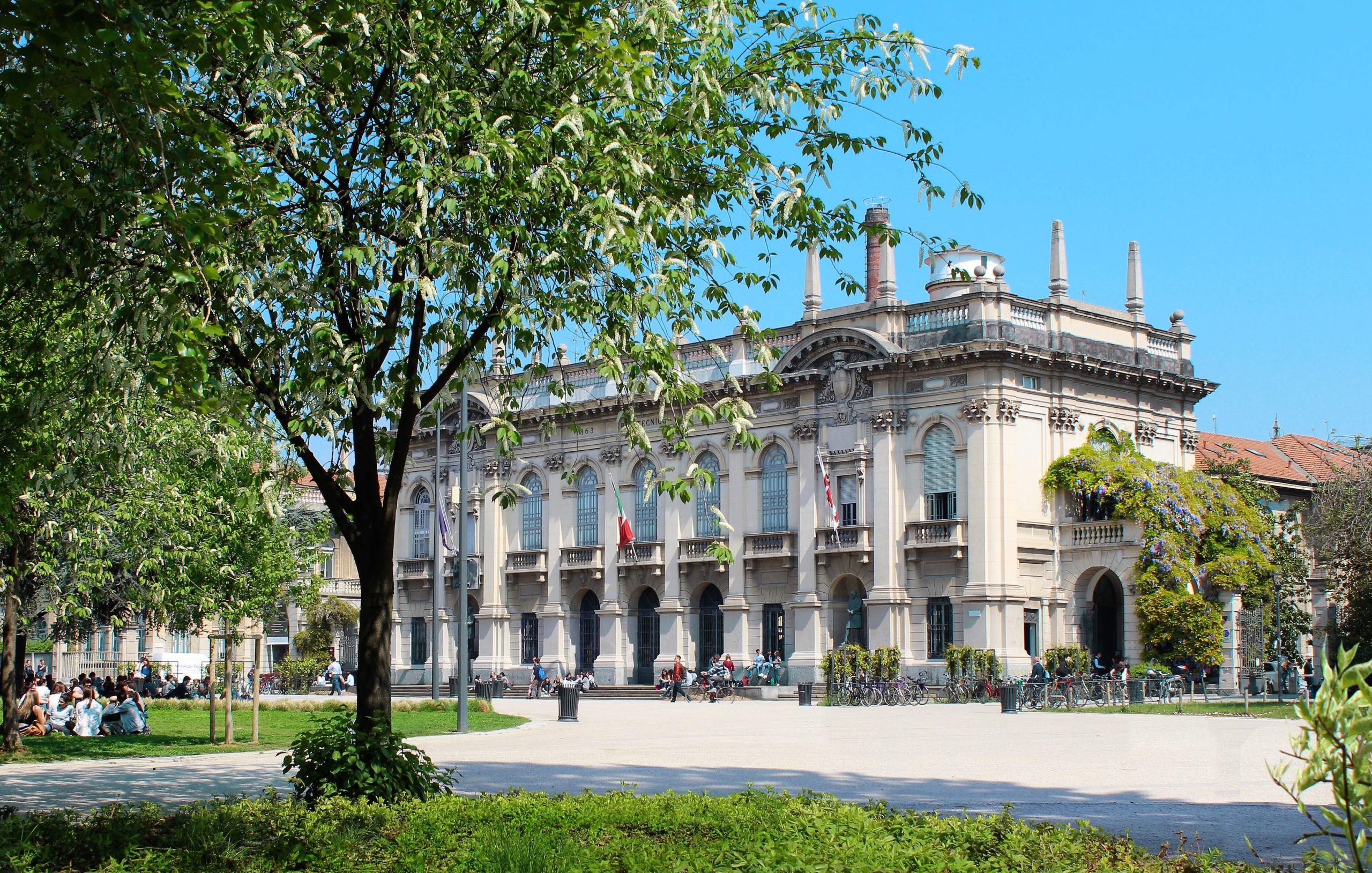
Table of Contents Show
Politecnico di Milano architecture ranks among the world’s best, placing 6th globally for Architecture and Built Environment in the QS World University Rankings by Subject 2026. Founded in 1863, the school offers bachelor’s, master’s, and doctoral degrees across two dedicated architecture departments in Milan.
The series on the Best Architecture Schools continues with the third entry: Politecnico di Milano. Known locally as Polimi, it is one of the strongest destinations in Europe for architectural study at both bachelor and master level. If you are weighing where to build an architecture education and a career after it, understanding what Politecnico di Milano offers, from its programs to its campuses, helps you decide whether Milan fits your plans.
Politecnico di Milano Architecture at a Glance
Politecnico di Milano is a public technical university focused on engineering, architecture, and design. It hosts roughly 46,000 students and runs undergraduate, graduate, and doctoral programs. Founded in 1863, it is one of the oldest technical universities in Italy and the largest technical university in the country, spread across seven campuses. Two of those campuses sit in Milan, while five are located across the Lombardy and Emilia-Romagna regions.

The Milan campuses handle most research and teaching, and the central offices and rectorate are based there. The oldest and largest of them, the Città Studi campus, has operated since 1927. For architecture specifically, the university carries weight far beyond Italy, with graduates working in practices around the world.
🔢 Quick Numbers
- Ranked 6th in the world for Architecture and Built Environment (QS World University Rankings by Subject 2026, QS Quacquarelli Symonds)
- About 46,000 enrolled students across engineering, architecture, and design (Politecnico di Milano, polimi.it)
- Founded in 1863, making it one of the oldest technical universities in Italy (polimi.it)
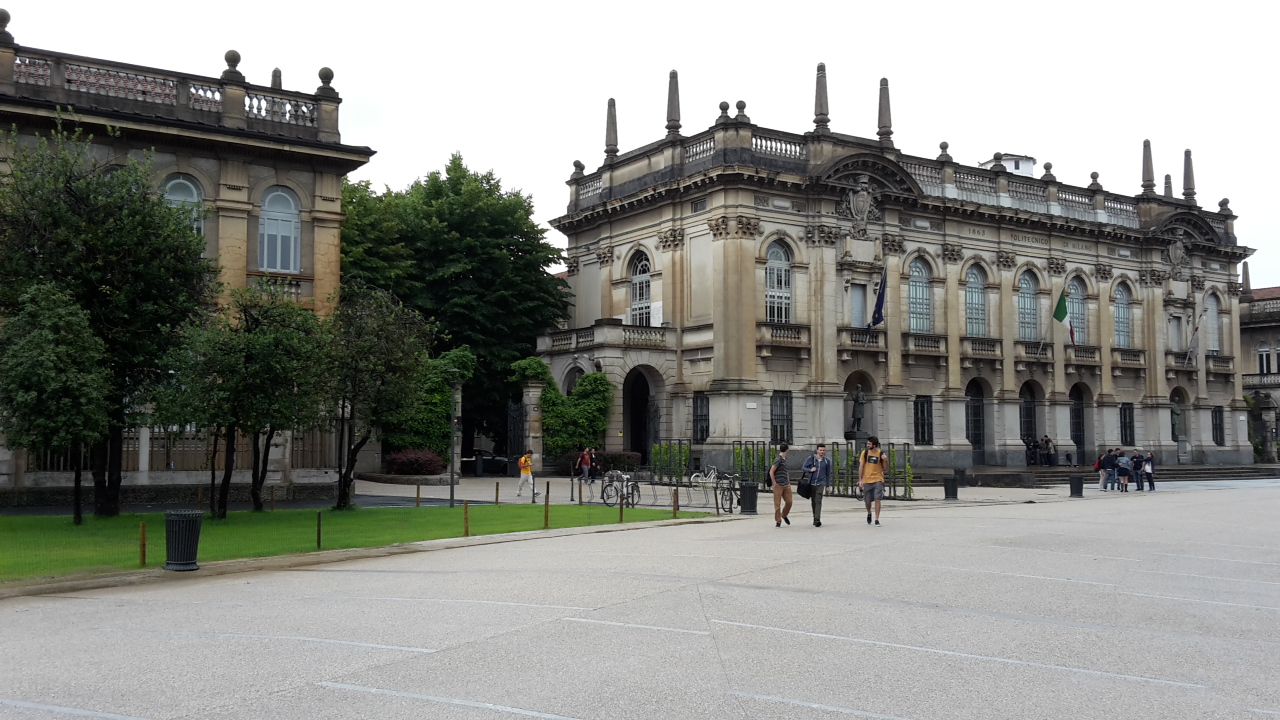
According to QS World University Rankings by Subject, Politecnico di Milano rose from 10th in 2023 to 7th in 2024, held joint 7th in 2025, and reached 6th in the 2026 edition for Architecture and Built Environment. It also performs strongly in Design, where it consistently ranks inside the global top five, and in Engineering and Technology. For prospective students, that steady climb signals a program that examiners, employers, and academics rate highly year after year.
The School of Architecture, Urban Planning and Construction Engineering
Since 1865, the School of Architecture, Urban Planning, and Construction Engineering has built a heritage that pairs architectural studies with engineering. That combination is the defining feature of a Polimi education: students are trained to design and to understand how buildings are actually made. The faculty includes established figures from architecture, urban planning, and civil engineering.
The teaching aims to produce graduates who can handle contemporary challenges responsibly, working on buildings and open spaces, cities and rural areas, and landscapes. There is a clear focus on the preservation and rehabilitation of cultural heritage, the sustainability of construction, and the reuse of existing architectural, urban, and environmental resources. Research laboratories, libraries, and design studios give both undergraduate and master’s students room to test ideas at full scale.
🎓 Expert Insight
“You have to be brave to be an architect. In the beginning, you have to be brave in order to survive.”, said Renzo Piano, Pritzker Prize laureate and Politecnico di Milano graduate
Piano studied at Polimi before founding Renzo Piano Building Workshop, and his path shows how the school’s technical grounding can support a global design career.

What Can You Study? Bachelor and Master Programs
Architecture teaching at Polimi is organized around two departments, which keeps design and technical training closely linked. Bachelor programs run through:
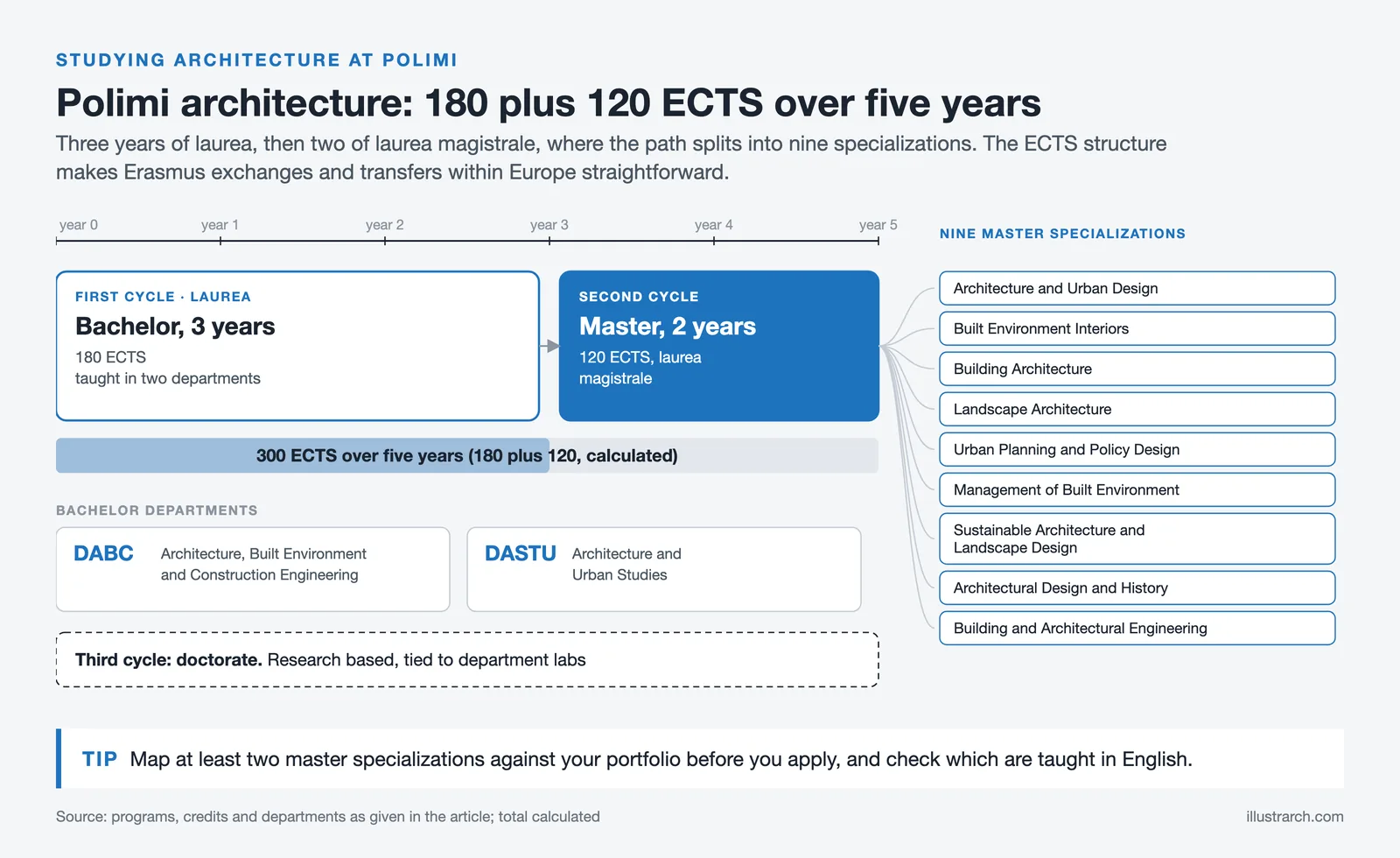
- DABC, the Department of Architecture, Built Environment and Construction Engineering
- DASTU, the Department of Architecture and Urban Studies
At master’s level, the choice widens considerably, letting students specialize in a direction that matches their goals:
- Architecture and Urban Design
- Built Environment Interiors
- Building Architecture
- Landscape Architecture
- Urban Planning and Policy Design
- Management of Built Environment
- Sustainable Architecture and Landscape Design
- Architectural Design and History
- Building and Architectural Engineering
Key Programs and Study Details
The table below summarizes how the main routes fit together and what each is suited to.
| Program / Aspect | Detail | Note |
|---|---|---|
| Bachelor in Architectural Design | Three-year first cycle, 180 ECTS | Foundation in design, history, and construction |
| Master in Architecture | Two-year second cycle, 120 ECTS | Several English-taught specializations |
| Landscape Architecture | Master level | Focus on open space and territory |
| Urban Planning and Policy Design | Master level | City-scale and policy work |
| Doctoral programs | Third cycle, research based | Tied to department research labs |
📐 Technical Note
Italian degrees follow the European Credit Transfer and Accumulation System (ECTS). A bachelor (laurea) totals 180 credits over three years, and a master (laurea magistrale) adds 120 over two years. This structure makes transfers and Erasmus exchanges between Polimi and other European schools straightforward.
Several master’s tracks are taught in English, which is one reason Polimi draws a large international cohort. Exchange students can follow a dedicated guide from the university before arriving, and the campus network gives access to studios, workshops, and libraries across Milan.
Why Choose Politecnico di Milano for Architecture?
The clearest argument is the pairing of design and engineering under one roof. Many schools teach architecture as a purely creative discipline and treat structure as a separate concern. Polimi does not. Students move between the drawing board and the mechanics of construction from the first year, which prepares them for practices where design intent and buildability have to agree.
Location adds to the case. Milan is Italy’s design capital, home to the Salone del Mobile and a dense network of studios, manufacturers, and galleries. Students sit close to the work they study, and internships or site visits are rarely far away. The city itself becomes part of the curriculum, from Portaluppi’s interwar buildings to contemporary districts like Porta Nuova and CityLife.
Cost is another practical factor. As a public university, Politecnico di Milano charges tuition on an income-based scale that is generally lower than comparable private schools in the United States or United Kingdom, and scholarships are available for international students. For anyone comparing leading architecture schools worldwide, this combination of ranking, price, and setting is hard to match.
What Are Career Prospects Like After Polimi?
Graduates leave with a technical portfolio that employers recognize. The alumni network reaches into major firms across Europe, Asia, and North America, and the school’s standing in the QS rankings helps open doors for those seeking work abroad. Roles range from architectural design and urban planning to project management, heritage conservation, and research. The doctoral track feeds academia and specialized practice for those who want to go further.
Alumni Who Shaped Modern Architecture
Few schools can point to an alumni list like this one. Graduates and former teaching figures include Renzo Piano, Aldo Rossi, Gio Ponti, Achille Castiglioni, Franco Albini, Piero Portaluppi, Paolo Portoghesi, and Ernesto Nathan Rogers, alongside designers such as Giuseppe Terragni. Their work spans museums, housing, product design, and theory that students still study today.
🏗️ Real-World Example
Città Studi Campus redevelopment (Milan): Renzo Piano, one of Polimi’s most recognized graduates, has been linked to plans reshaping the university’s historic Milan campus. The project reflects the school’s approach of tying design ambition to real construction and urban context, the same principle its students learn in studio.
That heritage matters for a practical reason. When you study Politecnico di Milano architecture, you work inside a tradition that treats design, structure, and city-making as one problem rather than separate subjects. For broader context on entry requirements and coursework, see our guide to how to study architecture and what to expect, and the wider field of architectural education.
📌 Did You Know?
Politecnico di Milano was founded in 1863 as the Istituto Tecnico Superiore, and architecture teaching began there in 1865 together with the Brera Academy. It has trained architects continuously for more than 150 years (source: polimi.it).
Where to Go From Here
Your Next Step: If Polimi is on your shortlist, check the official English-language program pages and application windows at the university’s site, then map at least two master specializations against your portfolio strengths before you apply. You can review the full institutional profile on the Polytechnic University of Milan overview and current admission details on the official Politecnico di Milano website.




What Architecture Students Should Know About Structural Glass and Guardrail Code
Glass guards look minimal, but structural behavior, safety glazing, connections and guardrail...
 illustrarch Editoral Team6 Mins read

Why Do Architecture Students Struggle With Time Management?
Architecture students rarely run out of discipline. They run out of schedule....
 Sinan Ozen6 Mins read

Core Modules in an Architecture Degree: What You Actually Study
Design studio, history and theory, building technology, structures, environmental design, representation and...
Sinan Ozen6 Mins read
Why Is the Architecture Physical Model Still Taught in Schools?
Digital tools run modern architecture, yet schools still put students at the...
 Furkan Sen6 Mins read


Leave a comment