

Complete Guide to Student Housing in the USA: Find the Perfect Place to Live
Discover the ultimate guide to student housing in the USA! Explore on-campus and off-campus options, budget tips, lease insights, and strategies for finding affordable, safe, and convenient living spaces. Learn how to manage costs, navigate housing challenges, and make informed decisions for a comfortable and enriching college experience. Perfect for first-year and international students!
 Bahattin Duran19 February 202510 Mins read457

Table of Contents Show
Finding the right student housing in the USA can feel overwhelming, especially with so many options and factors to consider. For international students arriving in a new country and for locals moving away for the first time, a comfortable and affordable place to live is a top priority. The choices can range from on-campus dorms to off-campus apartments, each with its own perks and challenges.
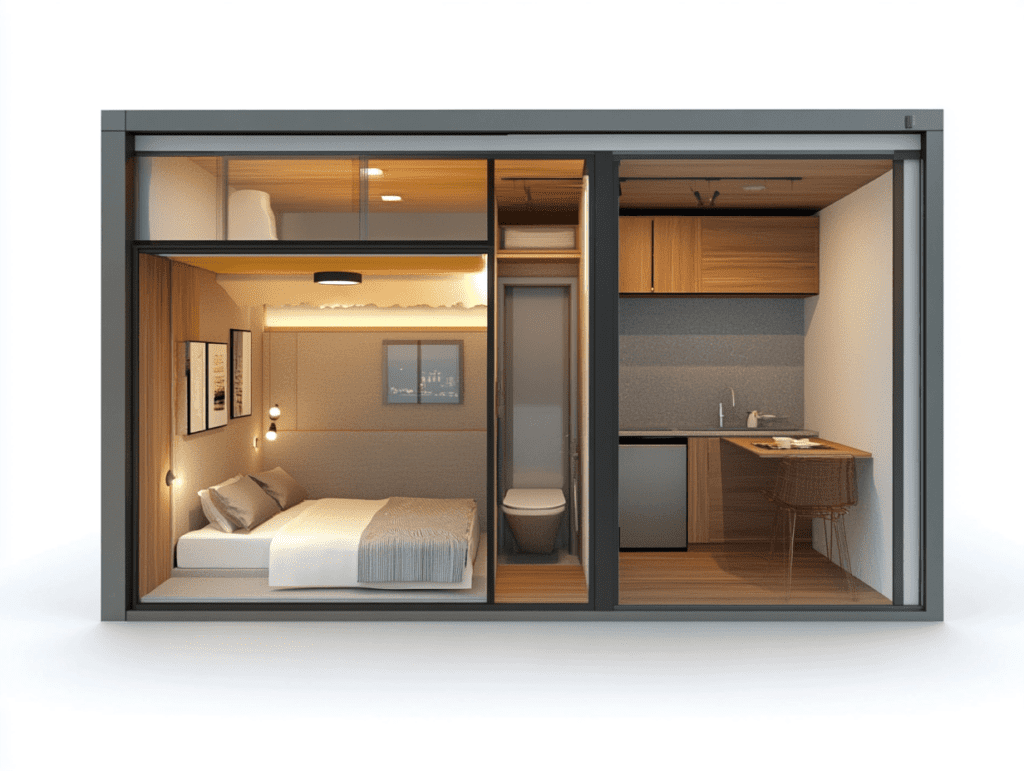



The first step is to work out what fits your needs, budget and lifestyle. Lease agreements, shared or private rooms and the distance to campus all play a part, and the right information makes the decision much easier.
Note: this guide is specific to the United States. Housing types, typical costs, lease terms and rental platforms differ in other countries, so use it as a checklist rather than a price guide if you study elsewhere. Architecture students will also find a dedicated section below on what to check before signing, from desk space to the route home from a late studio night.

Overview Of Student Housing In The USA
Student housing in the USA encompasses a wide variety of options to accommodate diverse preferences and budgets. On-campus housing, such as dormitories, offers proximity to academic buildings and campus facilities. These typically include utilities, internet, and basic furnishings. Off-campus options, including apartments and rental homes, provide greater independence but often require managing individual lease agreements and additional expenses like utilities.
University-owned housing often caters to first-year students, with meal plans integrated into dorm costs. For upperclassmen and graduate students, off-campus housing options tend to be more popular due to the flexibility and privacy they offer. Shared housing, such as renting with roommates, helps lower costs while maintaining shared access to communal spaces like kitchens and living rooms.
Cities with high student populations, like Boston and Los Angeles, usually have competitive housing markets, making early search and planning crucial. Rental costs can range significantly across the USA, with urban areas generally costing more than suburban or rural locations.

Types Of Student Housing
Students in the USA have diverse housing options, each catering to different needs, budgets, and preferences. Choosing the right type depends on factors like lifestyle, proximity to campus, and financial priorities.
On-Campus Housing
University-managed dormitories and residence halls offer structured living environments with furnished rooms and essential utilities, such as electricity and Internet, included. Most on-campus housing focuses on first-year students but often accommodates upperclassmen through specialized programs or residence types. Amenities like dining halls, communal study areas, and access to campus facilities increase convenience. Costs for on-campus housing vary by university, with average rates ranging between $5,000 and $12,000 per academic year.
Off-Campus Housing
Privately rented accommodations, such as apartments and houses, provide flexibility and independence. This option lets students choose desired locations, often near universities or public transit routes, creating easier commutes. Leasing often requires additional management of utilities, such as water, gas, and Wi-Fi, and initial costs, like a security deposit. Areas with competitive markets, like New York City and Seattle, may have higher rental expenses, with monthly rents averaging between $800 and $2,000 per person based on region.
Homestays
Homestays involve living with a host family, offering a culturally immersive housing option. This arrangement typically includes meals, utilities, and a furnished room, providing a home-like atmosphere. Often popular among international students, homestays help with language practice and getting to know the local community. Monthly costs usually range from $600 to $1,200, depending on location and services provided by the host family.
Shared Apartments And Rooms
Shared living spaces involve splitting housing costs among roommates in apartments or houses. This option often reduces overall expenses, as rent and utilities are divided. Shared living arrangements range from two-person rooms to five-bedroom apartments, providing flexibility for different group sizes. Students frequently share with peers from their university or opt for listings on platforms like Craigslist and Facebook Marketplace. Monthly expenses typically range from $400 to $1,200 per person, depending on the property size and proximity to campus.

Factors To Consider When Choosing Student Housing
Selecting suitable student housing involves evaluating key factors to align living arrangements with personal needs and priorities. Considering cost, location, amenities, and lease terms ensures well-informed decisions.
Cost And Budget
Expense planning helps manage housing costs effectively. On-campus housing costs between $5,000 and $12,000 per academic year, while off-campus rents range from $800 to $2,000 per month, depending on location. Additional costs like application fees, security deposits, and utilities also impact affordability. Comparing options based on monthly costs and included services, such as utilities or internet, can simplify budgeting.
Location And Accessibility
Proximity to campus and essential facilities directly influences daily convenience. Housing near campuses reduces commute times, often saving time and transportation costs. Nearby grocery stores, restaurants, and medical clinics improve accessibility. Urban campuses usually offer public transit connectivity, while rural areas might require private transport options.
Amenities And Facilities
Amenities improve comfort and quality of life. On-campus dorms often include meal plans, Wi-Fi, and common areas. Off-campus units may offer on-site gyms, laundry facilities, and furnished units. Some shared accommodations include utilities, while others require individual management of electricity, water, and internet. The presence of parking, pet policies, and security features should align with individual preferences.
Lease Agreements And Terms
Reviewing lease conditions prevents misunderstandings and unexpected expenses. Typical lease lengths range from 9 to 12 months for annual agreements or shorter for subletting options. Certain off-campus apartments might require guarantors or upfront payments. We recommend clarifying terms related to maintenance responsibilities, early termination policies, and room-sharing arrangements for transparency.

What Architecture Students Should Check Before Signing
Most housing guides assume a room is for sleeping and a little reading. An architecture student’s room also has to work as a second studio: a place to draw, cut, glue and store models during the weeks when the studio is full or closed. Before you sign a lease or accept a room offer, check the points below. They apply to any US campus, but they matter most if your school expects long studio hours and physical models.
Room Size for a Real Desk and a Model Shelf
Measure the room, or ask for a floor plan with dimensions, and check that it fits three things at the same time as the bed and wardrobe: a desk deep enough for a cutting mat the size of your largest board, a chair you can push back from it, and a shelf or flat surface where a site model can sit untouched for weeks. Photos taken with a wide-angle lens make small rooms look larger, so trust the numbers. If the furniture is fixed, ask for its dimensions too. Our ideas for a productive desk setup in a small dorm room show how to make tight rooms work once you have moved in.
Natural Light and Ventilation
You will draw, check colours and photograph models in this room. A window you can actually open helps with daylight and with fumes from glue and paint. During a viewing or a video tour, ask which way the window faces, whether a neighbouring building blocks it and whether it opens. A basement room with a light well may be cheaper, but you will pay for it in desk lamps and eye strain.
Distance and a Safe Route to the Studio
Architecture students often leave the studio late, and if your school keeps its studios open around the clock, you will sometimes walk home in the middle of the night. Do not judge a place only by its distance to campus. Walk or ride the route from the studio building to the front door after dark before you sign, and check:
- Whether the route is lit and busy, or runs through empty car parks and underpasses.
- Whether buses or campus shuttles still run at the hours you will leave the studio.
- Whether your campus offers a night escort or safe ride service, and whether it covers your street.
- How you will carry a large model or a roll of drawings home in rain or wind.
A slightly more expensive room on a safe, direct route is often the better deal once you count the taxi rides you would otherwise take after reviews. Long studio nights are also easier to plan when you know your route; see our article on why architecture students struggle with time management.
Rules on Cutting, Spraying and Making in the Room
Model making brings tools and materials into your room that housing rules may not allow. Read the housing contract or lease and ask the housing office or landlord directly about:
- Spray adhesive, spray paint and fixatives, and whether you must use them outdoors or in a school spray booth.
- Hot-wire foam cutters, soldering irons, hot glue guns and other heated tools.
- 3D printers. The NFPA’s campus housing safety page names 3D printers among the newer technologies that have raised fire safety issues such as disabled smoke alarms, so expect rules on them.
- Damage to desks, floors and walls from scalpels, pins and glue, and how much of the deposit you could lose for it.
Whatever the rules, use a cutting mat, keep blades in a closed box and do messy work in the school workshop when you can. The same NFPA page advises students to look for fully sprinklered housing when choosing a dorm or off-campus home, which is worth adding to your checklist if you keep paper, card and foam board in the room. For tools that suit a small room, see our guide to architectural model making equipment.
Quick Checklist for Architecture Students
| Check | Ask or do before signing |
|---|---|
| Desk space | Measured floor plan; room for a cutting mat, chair and model shelf |
| Light | Window direction, obstructions, whether it opens |
| Route to studio | Walk it after dark; check late buses and escort services |
| Making rules | Spray products, heated tools and 3D printers allowed or not |
| Fire safety | Sprinklers and working smoke alarms |
| Deposit | What counts as damage to desks, floors and walls |
Tips For Securing Student Housing
The student housing market can feel overwhelming, particularly in competitive areas. Starting early and staying organised make the process easier and improve your chances of finding a suitable place.
Start Early
Beginning the search early allows us to explore more options and avoid last-minute stress. Many on-campus housing options fill quickly, especially for first-year students. For off-campus accommodations, starting three to six months before the semester can help secure better locations and prices.
Use Trusted Platforms
Using reliable rental websites and university-hosted housing portals can prevent scams and misinformation. Platforms like Zillow, Apartments.com, or Roomster often include verified listings with detailed descriptions. Additionally, many universities provide dedicated resources for housing support.
Roommate Agreements
Documenting a clear roommate agreement sets expectations and helps avoid conflicts. Agreements should outline rent contributions, utility payments, cleaning schedules, and guest policies. Settling these points early makes living together much smoother.
Inspect The Property
Visiting the property in person ensures there’s accurate representation of the living conditions. If in-person visits aren’t possible, requesting video tours or detailed photos provides clarity. Key aspects to check include safety features, appliance functionality, and overall cleanliness.
Challenges In Student Housing And How To Overcome Them
Student housing in the USA brings unique challenges, requiring thoughtful strategies to manage expenses, adapt to new environments, and resolve conflicts effectively.
Managing Expenses
Balancing housing costs with limited student budgets can be difficult. Rent, utilities, groceries, and transportation often add up quickly. To address these, we suggest creating a monthly budget that categorizes essential and non-essential expenses. Student discounts and shared living arrangements can also reduce costs. For example, sharing an apartment with roommates can lower rent to $400 to $1,200 monthly per person. Additionally, we recommend tracking expenses through mobile apps to ensure financial goals are met.
Adjusting To New Environments
Living in a new place, especially for first-year or international students, often feels overwhelming. Adapting to local cultural norms, routines, and surroundings takes time. To ease this transition, we propose participating in campus orientation programs and joining social clubs or student organizations. These activities help build connections and familiarity with the area. University housing offices and peer groups are another practical source of help while you get used to a new place.
Handling Conflicts
Disagreements with roommates or neighbors can disrupt the housing experience. Common issues include differences in cleanliness standards, noise levels, or shared responsibilities. To handle conflicts, prioritizing open communication and setting clear expectations at the start is essential. A written roommate agreement detailing chores, quiet hours and shared expenses makes everyone accountable. If disputes escalate, involving a neutral mediator, such as a Resident Assistant (RA) or property manager, can help resolve differences calmly and professionally.

Benefits Of Living In Student Housing
Student housing offers an environment tailored to academic and social needs, providing several advantages over other living arrangements. It adds to the college experience through community, easy access to campus and personal growth.
Building Friendships And Social Networks
Living in student housing creates opportunities to build lasting friendships. Residents interact daily through shared spaces like lounges, dining halls, or study rooms. Organized activities, such as hall events and intramural sports, further encourage connection and collaboration. These relationships contribute to a support system that benefits both academic and personal well-being.
Proximity To Campus Resources
Student housing typically places residents within walking or short commuting distance of key campus facilities. This includes libraries, academic buildings, and recreational centers, minimizing travel time and improving convenience. On-campus housing often also grants access to additional amenities, such as dining halls, student health centers, and tutoring services.
Learning Independence
Student housing builds independence by teaching essential life skills. Balancing schedules, managing finances, and maintaining living spaces become practical lessons for residents. For those sharing housing, responsibilities like setting house rules and dividing chores support collaborative problem-solving and adaptability.
Conclusion
Student housing in the USA encompasses a range of options that cater to diverse needs, lifestyles, and budgets. Understanding the differences between on-campus dormitories, off-campus apartments, shared living spaces, and homestays can help students make informed decisions. Evaluating essential factors like costs, lease agreements, location, and amenities ensures housing choices align with academic and personal priorities.
Planning early improves the chances of securing suitable housing, especially in competitive rental markets. Trusted platforms, property inspections and clear roommate arrangements reduce risks and prevent conflicts. By addressing unique challenges like expense management and adjusting to new environments, students can create a balanced and supportive living experience.
Student housing offers a structured setting for independence, community and personal growth. For architecture students, the right room is also a second studio, so give desk space, light and the route to the studio as much weight as the rent. Access to campus resources and opportunities for collaboration enhance both academic and social outcomes. By approaching housing as more than just a necessity, students can maximize its role in enriching their overall college experience.
Architecture Students Hub
This guide is part of School Life and Learning, stage 6 of our student roadmap from the first diagram to the first internship. Next stage: Concept and Diagrams, or browse every free tool and guide in the Architecture Students Hub.








What Architecture Students Should Know About Structural Glass and Guardrail Code
Glass guards look minimal, but structural behavior, safety glazing, connections and guardrail...
 illustrarch Editorial Team6 Mins read

Why Do Architecture Students Struggle With Time Management?
Architecture students rarely run out of discipline. They run out of schedule....
 Sinan Ozen6 Mins read

Core Modules in an Architecture Degree: What You Actually Study
Design studio, history and theory, building technology, structures, environmental design, representation and...
Sinan Ozen6 Mins read

Why Is the Architecture Physical Model Still Taught in Schools?
Digital tools run modern architecture, yet schools still put students at the...
 Furkan Sen6 Mins read






Leave a comment