

SaaS Tools for Architects: The Best Cloud Platforms to Use in 2026
The shift to cloud-based SaaS tools has changed how architectural firms handle design, collaboration, and project delivery. This guide covers the most relevant SaaS platforms available to architects in 2026, from AI rendering tools and BIM software to project management and client communication platforms, with practical guidance on choosing the right stack.
 Sinan Ozen22 April 20268 Mins read167

Table of Contents Show
SaaS tools for architects are cloud-based software platforms that replace traditional desktop installs with subscription-accessed applications available from any device. In 2026, the most productive architecture firms rely on a layered SaaS stack covering design, rendering, project management, and client communication rather than a single monolithic program.

Why Architects Are Switching to SaaS in 2026
The case for SaaS in architectural practice has become harder to ignore. Traditional desktop software ties a firm to specific hardware, creates versioning conflicts between team members, and requires manual updates that can stall project delivery. Cloud-based platforms solve most of these friction points by keeping every team member on the same version and enabling access from studio, site, and home.
Market data reflects the shift. According to a 2026 industry analysis by Industry Research Biz, the architectural design software market is valued at $6.66 billion in 2026, projected to reach $18.9 billion by 2035 at a 13.96% CAGR. Cloud-based deployments accounted for 30% of all architectural software in new practices in 2024, up from just 8% in 2021.
🔢 Quick Numbers
- Architectural design software market estimated at $6.66B in 2026, growing at 13.96% CAGR through 2035 (Industry Research Biz, 2026)
- Cloud-based architectural design platforms rose to 30% of all software deployments in new practices in 2024, up from 8% in 2021 (Industry Research Biz, 2026)
- BIM adoption among architects reached 77% in key global markets in 2023, driving demand for integrated SaaS suites (Industry Research Biz, 2026)
Beyond numbers, the practical driver is collaboration. A project team spread across a main studio, a remote consultant, and a client in another city can all access the same live model when software runs in the cloud. That alone changes how reviews, revisions, and approvals happen. For firms working on multiple concurrent projects, AI tools that save time in architecture and SaaS platforms have become inseparable parts of the same productivity strategy.

What Makes a Good SaaS Tool for Architecture?
Not every SaaS product marketed to the AEC sector earns a place in a professional workflow. The best saas tools for architects share a few clear qualities: they integrate with existing file formats (IFC, DWG, RVT), they offer reliable uptime and version control, and they are genuinely faster or more accurate than the desktop equivalent for the specific task they handle.
A practical way to evaluate any new SaaS platform is to ask three questions. Does it solve a specific problem my current stack does not handle well? Does it connect to the other tools I already use? And does the subscription cost make sense against the time it saves per project?
⚠️ Common Mistake to Avoid
Many firms adopt new SaaS tools without accounting for onboarding time. According to an industry survey cited in the same 2026 architectural software market report, firms transitioning to new software experienced an average productivity drop of 8% over roughly 12 weeks of retraining. Before committing to a new subscription, map out who on the team will use it, how long training will take, and whether that cost is justified by the efficiency gain on the projects ahead.
Core Categories of SaaS AI Tools for Architects
The saas ai tools available to architects in 2026 fall into five practical categories. Each category addresses a different stage of the project lifecycle, and the most effective firms typically use at least one strong platform per category rather than relying on a single all-in-one suite.
BIM and Design Collaboration Platforms
BIM software delivered as SaaS has matured significantly. Autodesk’s cloud offering through Revit with BIM Collaborate Pro allows teams to work on the same model simultaneously, with change tracking and clash detection running in the cloud rather than on local hardware. Graphisoft’s ArchiCAD has similarly expanded its BIMcloud subscription offering, making live model sharing more accessible to mid-sized firms.
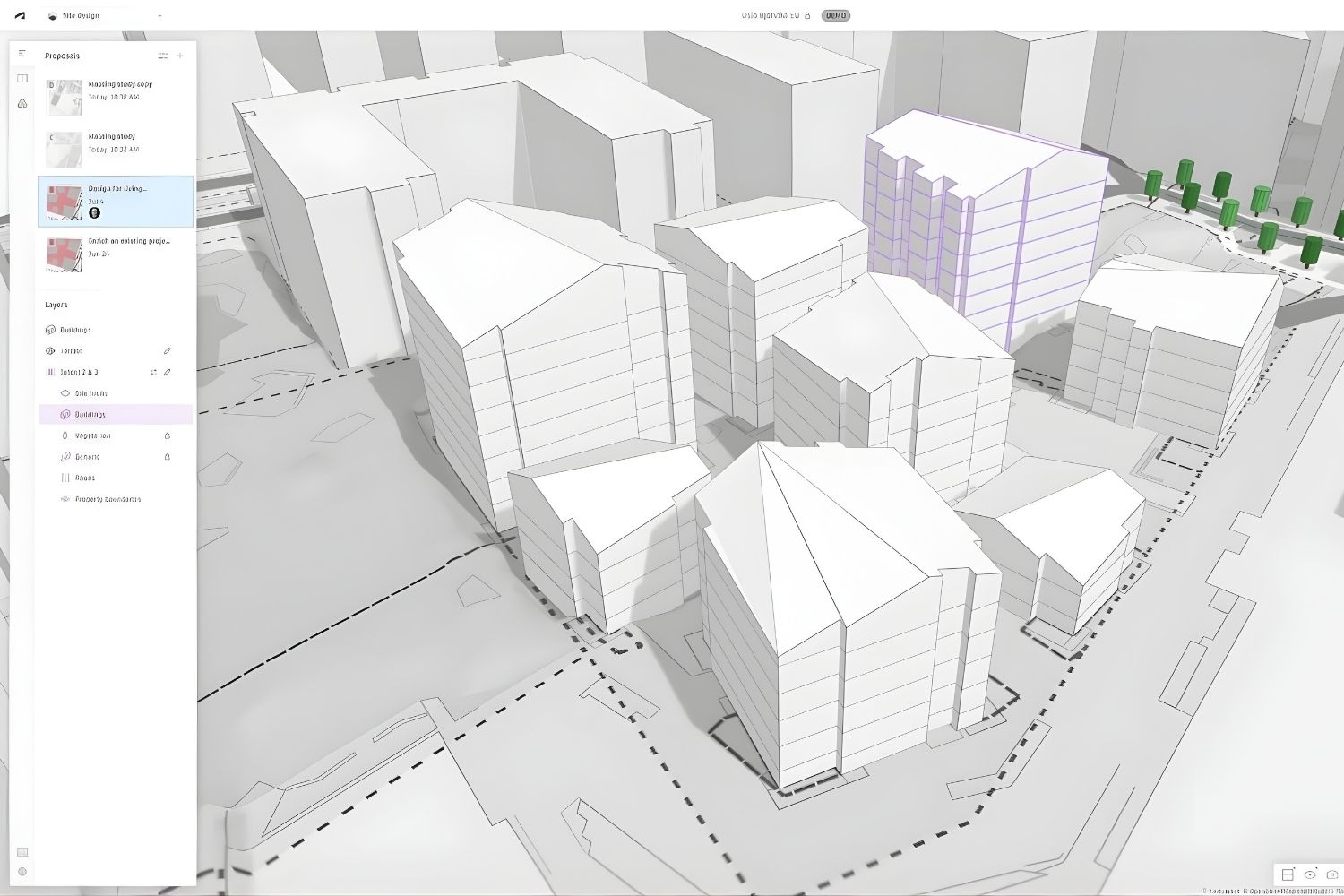
For firms that need web-based access without heavy BIM requirements, platforms like Spline and Autodesk Forma (formerly Spacemaker) provide concept-stage design environments in the browser. Forma specifically uses AI to run daylight, wind, and noise analysis on massing options before any detailed design work begins, which compresses the early feasibility phase significantly.
💡 Pro Tip
When evaluating BIM SaaS platforms, check whether the tool exports clean IFC files without manual cleanup steps. Some cloud-based BIM tools introduce schema errors during IFC export that cause issues during contractor coordination. Request a trial export of a sample model before committing to a subscription.
AI Rendering and Visualization SaaS
Rendering has historically been the most time-intensive step in client presentation preparation. AI-powered SaaS rendering tools have reduced a task that once took four to eight hours to under two minutes for mid-complexity projects. Platforms like Veras by EvolveLAB connect directly to Revit, SketchUp, and Rhino, generating photorealistic views from a live model without leaving the design environment.
For firms focused specifically on architectural rendering, Archfine offers an AI-powered cloud rendering platform built specifically for architecture workflows. It accepts SketchUp exports and CAD files and produces client-ready exterior and interior renders with style presets and camera intelligence, removing the hardware dependency that has historically made high-quality visualization inaccessible to smaller studios. A broader review of rendering and visualization options is available in the 10 best architecture tools of 2026 overview on illustrarch.
Project Management SaaS
Project management is an area where the list of all saas tools relevant to architects is actually quite long, which makes selection harder. The platforms that work best for AEC practices are those built with fee tracking, phase-based scheduling, and consultant coordination in mind, not generic task software repurposed for design.
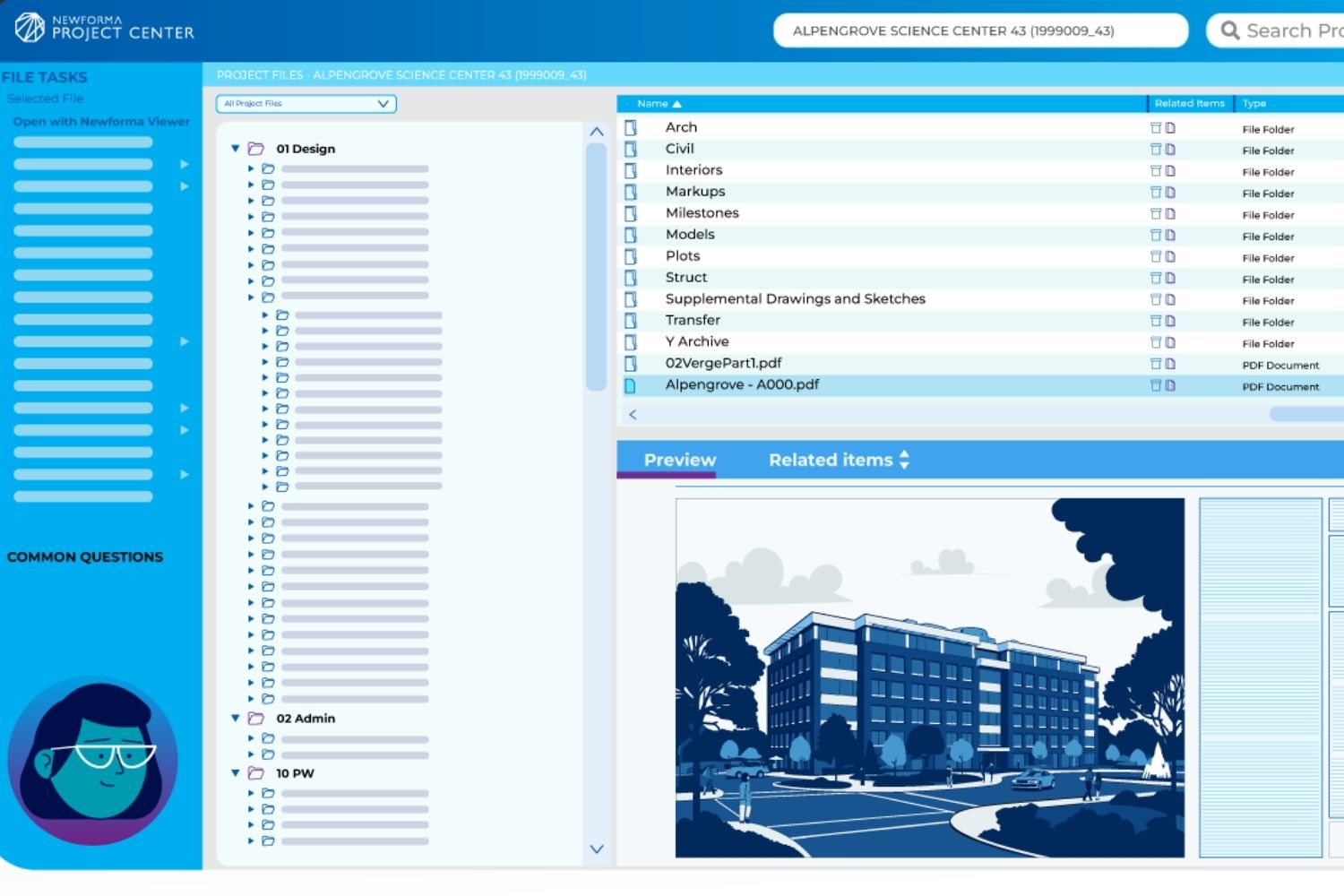
Monograph is a project management SaaS built specifically for architecture firms, handling project budgets, time tracking, and phase billing in one interface. Newforma covers project information management at a larger scale, useful for firms running complex multi-consultant projects with heavy documentation requirements. For smaller studios, tools like Notion or Linear can cover basic project tracking effectively if configured with architecture-specific templates.
Diagramming and Early-Stage Design SaaS
Early-stage design tools are one of the fastest-growing sub-categories in saas tools for architecture. Web-based diagramming platforms allow architects to test spatial logic before any modeling software is opened. The best diagram tools for architects in 2026 include both general-purpose platforms like Miro and Mural and architecture-specific tools like the Illustrarch Bubble Diagram Maker, which focuses specifically on adjacency and circulation logic.
For teams already embedded in Autodesk workflows, Forma also functions as an early-stage SaaS design environment for massing and site analysis. The key advantage over desktop tools is speed: running ten massing options in Forma takes roughly the same time as modeling one option in Revit.
💡 Pro Tip
Keep your early-stage SaaS diagramming tools separate from your BIM environment on purpose. Trying to resolve spatial logic inside Revit or ArchiCAD adds unnecessary parametric constraints to what should be a fluid conversation about adjacency and program. Use a web-based tool first, resolve the spatial logic, then bring the confirmed program into BIM.
AI Search Visibility and Content SaaS for Architecture Firms
A growing category that many architecture firms overlook is ai search visibility tools saas, platforms designed to help practices appear in AI-generated search results and local discovery tools. As potential clients increasingly use AI assistants and AI-enhanced search to find architects, firms without optimized digital profiles face reduced visibility even if their project portfolios are strong.
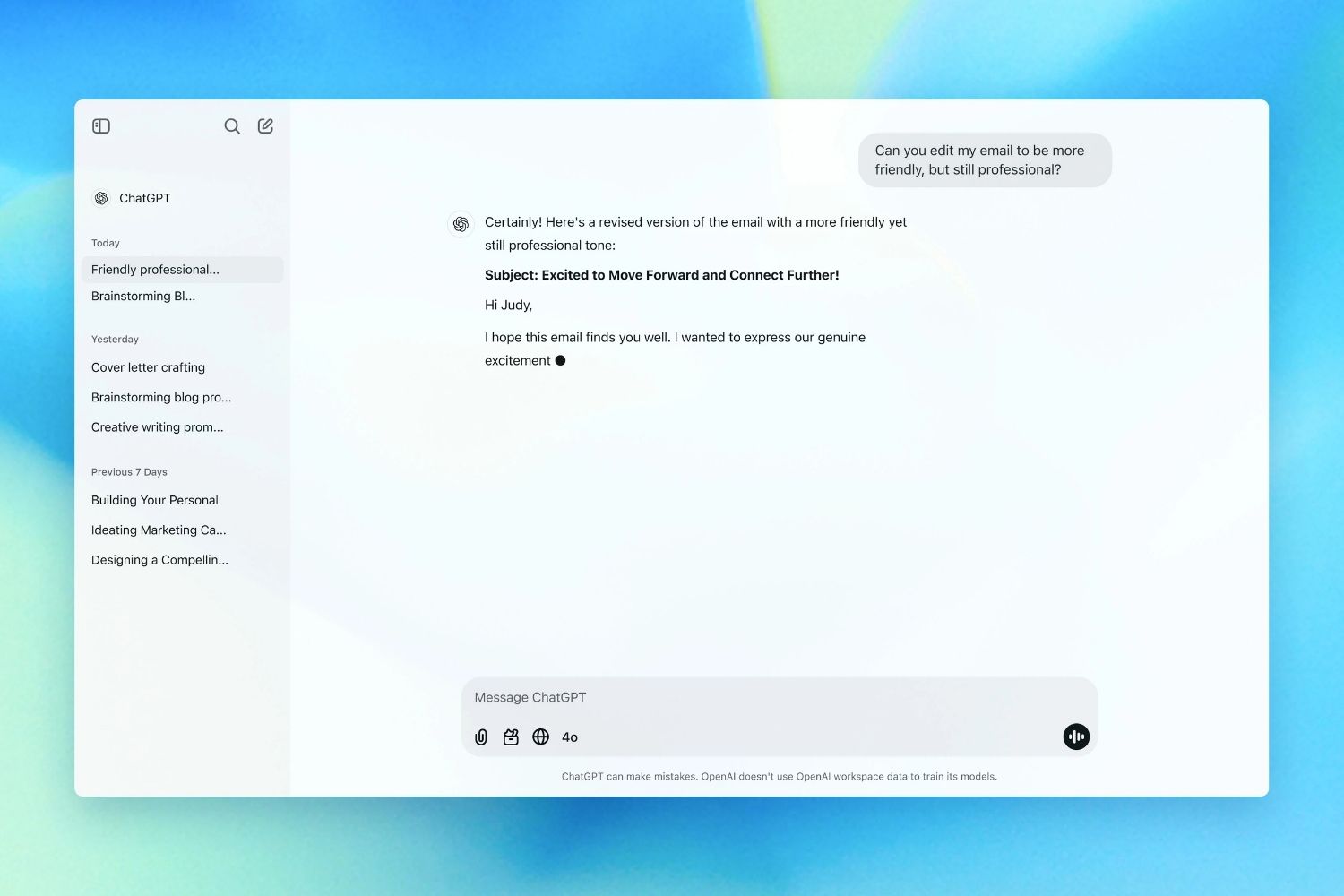
Tools in this space range from website SEO platforms like Semrush and Ahrefs to AI-specific visibility trackers that monitor how a firm’s name and projects appear in tools like ChatGPT, Perplexity, and Google’s AI Overviews. For practices dependent on inbound client inquiries, maintaining visibility across both traditional search and AI search is now a business-critical function, not just a marketing add-on.
How to Build a SaaS Stack for Your Architecture Practice
The most common mistake practices make when evaluating saas ai tools is adding new subscriptions without first auditing what the existing stack already covers. Before signing up for anything new, list every tool currently in use, what it costs per month, and whether it is genuinely being used on active projects.
A practical starting stack for a mid-sized firm in 2026 covers five functions: BIM or design collaboration, rendering and visualization, project management, diagramming, and document markup (tools like Bluebeam Revu or Adobe Acrobat). Each of these has capable SaaS options. The goal is not to have the most tools, but to have one strong tool per function with clean integration between them.
🎓 Expert Insight
“The firms winning on technology are not the ones with the most software. They are the ones who have chosen fewer tools and learned to use them deeply.” — Phil Bernstein, Associate Dean, Yale School of Architecture
This principle applies directly to SaaS selection. A bloated stack of ten subscriptions creates training overhead, integration friction, and budget waste. A focused stack of five well-chosen tools used consistently is more productive than a comprehensive one used partially.
For firms building their digital toolkit from a limited budget, the free tools for architectural design and planning guide covers several platforms that offer full SaaS functionality at no cost, including SketchUp Free for concept modeling and FreeCAD’s BIM Workbench for lightweight coordination work.
Comparing Top SaaS Tools for Architects by Category
The table below summarizes the main SaaS tools used in architecture practices in 2026, organized by workflow stage:
| Workflow Stage | SaaS Tool | Key Strength | Best For |
|---|---|---|---|
| Concept & Massing | Autodesk Forma | AI-driven site analysis | Feasibility studies |
| BIM Collaboration | BIM Collaborate Pro | Live multi-user model editing | Multi-consultant teams |
| AI Rendering | Archfine / Veras | Fast cloud-based render output | Client presentations |
| Diagramming | Miro / Illustrarch Tools | Spatial logic exploration | Early-stage program |
| Project Management | Monograph | AEC-specific fee tracking | Billing and scheduling |
| Document Markup | Bluebeam Revu | PDF-centric collaboration | Construction documents |
Frequently Asked Questions
What are the most important SaaS tools for architects in 2026?
The most important SaaS tools for architects in 2026 cover five workflow stages: early-stage design and massing (Autodesk Forma), BIM collaboration (BIM Collaborate Pro or BIMcloud), AI rendering (Archfine, Veras), project management (Monograph), and document coordination (Bluebeam Revu). The right combination depends on firm size and project type, but these five categories represent the core of a functional cloud-based architecture workflow.

How do AI SaaS tools differ from traditional architecture software?
Traditional architecture software runs locally and requires manual updates, hardware investment, and on-site access. AI SaaS tools run in the cloud, update automatically, and add machine learning capabilities such as generative massing, automated rendering, and predictive project scheduling. The shift is not just about delivery model but about what the software can do. AI SaaS tools handle tasks that previously required manual hours or separate specialist software.
How should a small architecture firm approach building a SaaS stack?
Start by auditing what your current workflow actually requires rather than adopting the most popular tools. For most small firms, three platforms cover 80% of needs: a BIM or 3D design tool, an AI rendering platform, and a project management system built for architecture. Add tools incrementally as specific workflow gaps appear. The essential architecture tools guide for 2026 covers both SaaS and physical tools relevant to small and growing practices.
✅ Key Takeaways
- SaaS tools for architects work best when organized by workflow stage: massing, BIM, rendering, project management, and documentation.
- Cloud-based architectural software deployments grew from 8% to 30% of new practices between 2021 and 2024, making SaaS adoption a market standard rather than an edge choice.
- AI SaaS tools like Autodesk Forma and AI rendering platforms have measurably compressed early-stage design and client presentation timelines.
- A focused stack of five well-integrated tools outperforms a large collection of poorly connected subscriptions in both productivity and cost.
- AI search visibility tools are an emerging SaaS category that architecture firms should monitor as client discovery increasingly happens through AI-assisted search.









Oscar Niemeyer’s Cathedral of Brasília: The Hyperboloid Concrete Hymn
The Cathedral of Brasília reads as a single gesture, yet it stood...
 Furkan Sen7 Mins read
Notion Alternatives for Architects: 7 Tools That Fit Studio Work
Notion works until a studio needs fee tracking, phase budgets and timesheets....
Furkan Sen7 Mins read

Why Every Practice Ends Up With Five Versions of the Same Revit Family
Let’s learn why Revit family libraries accumulate duplicates, break schedules and slow...
 illustrarch Editoral Team5 Mins read

What Technology Does a Modern Workplace Need?
A modern workplace needs more than fast computers. A framework covering network,...
illustrarch Editoral Team8 Mins read




Leave a comment