

RIBA National Awards 2026: All 32 Winners and the Stirling Shortlist
The Royal Institute of British Architects has named 32 winners of the RIBA National Awards 2026, spanning homes, culture, education and infrastructure. The full list, the main themes, and the six buildings shortlisted for the 2026 Stirling Prize.
 Elif Ayse Sen22 July 20267 Mins read602
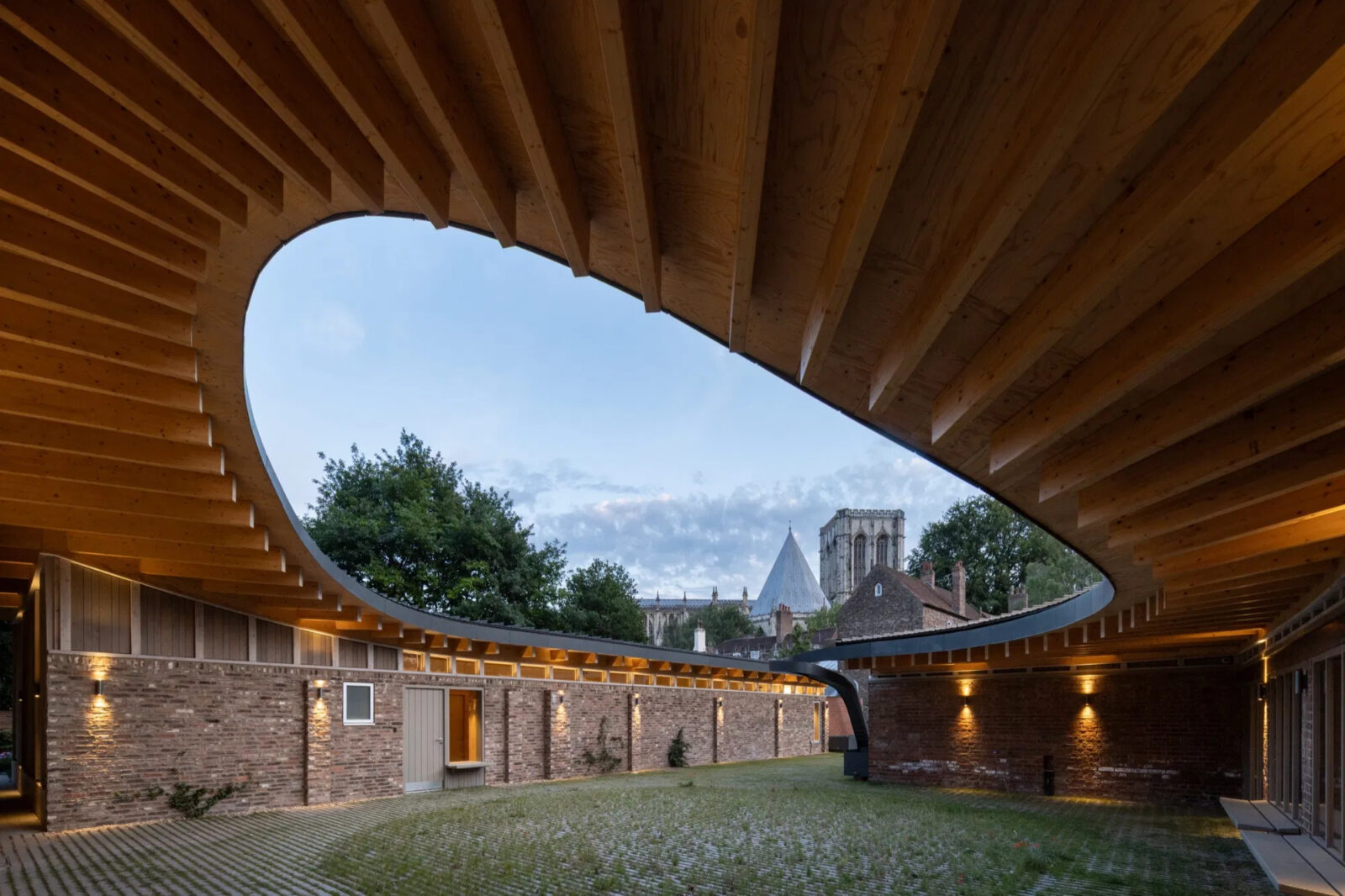


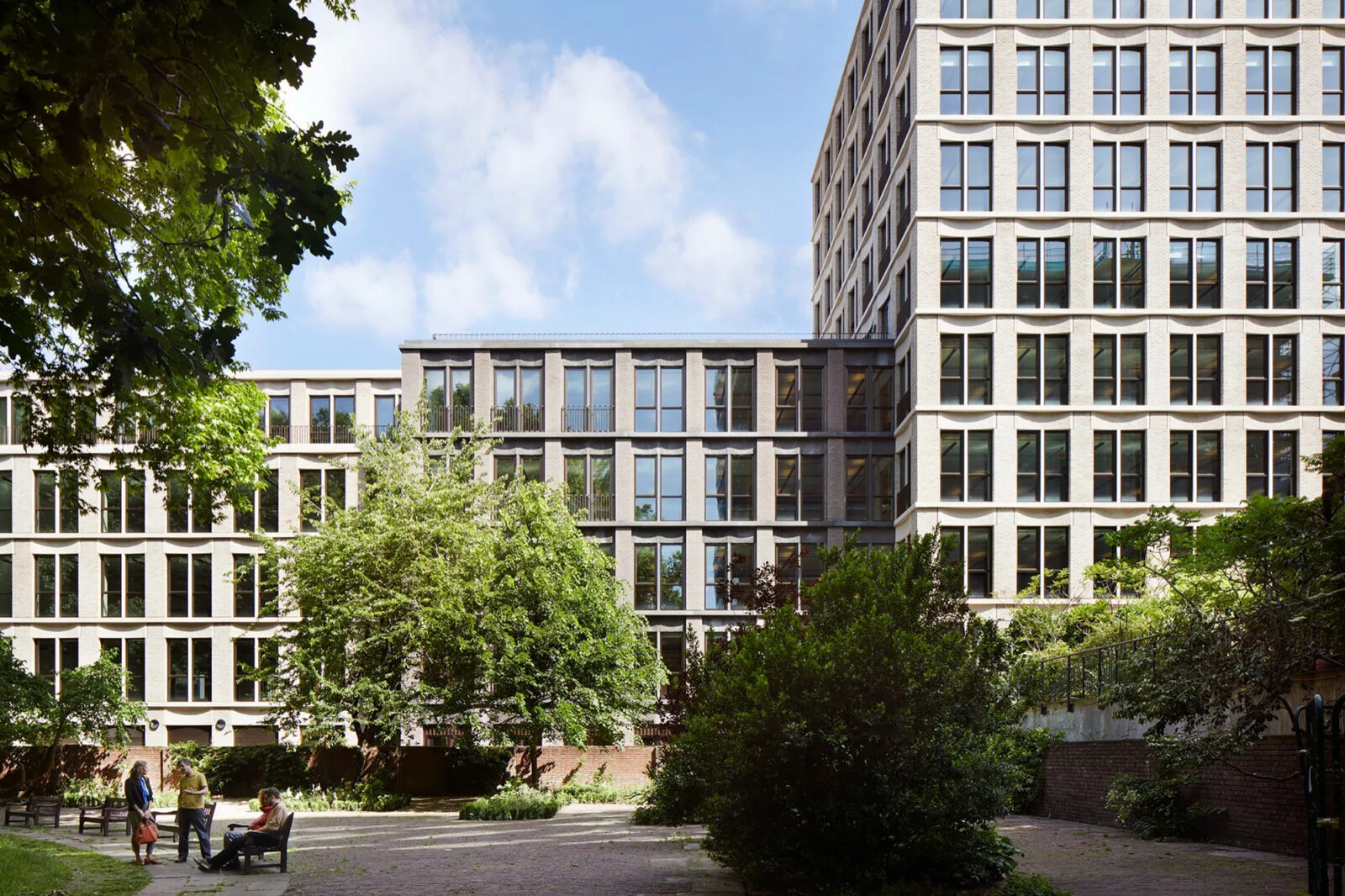


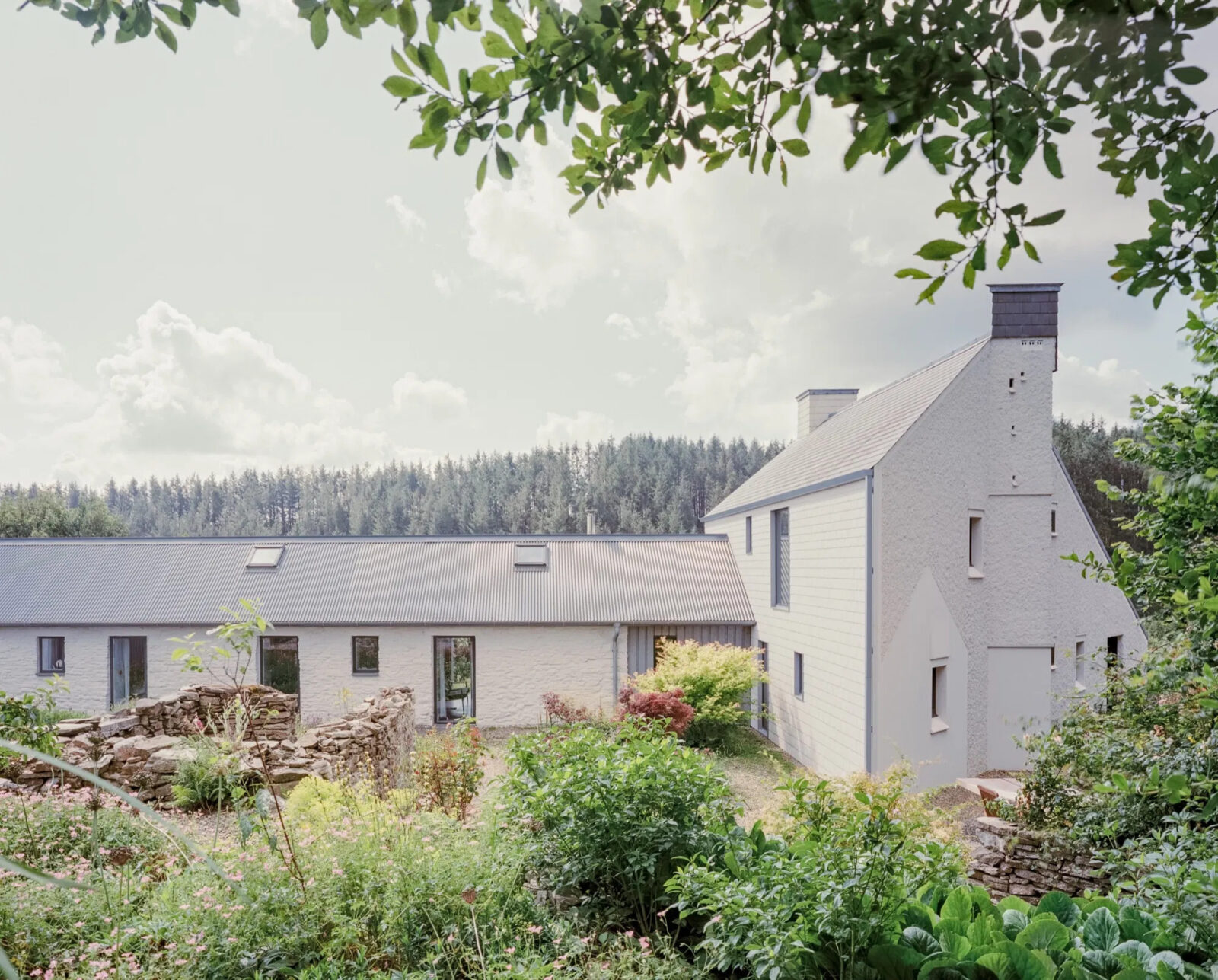


Table of Contents Show
The RIBA National Awards 2026 recognise 32 of the best new buildings in the UK, selected by the Royal Institute of British Architects across housing, culture, education, workplaces and infrastructure. Announced in July 2026, the winning projects form the pool from which the six-strong RIBA Stirling Prize shortlist was drawn, giving a clear read on where British architecture stands right now.
This year’s list rewards a striking range of work, from a family house built with earth dug on its own site to a reworked 1970s office tower and a footbridge that reconnects two sides of a river city. The Royal Institute of British Architects has run these awards since 1966, and they remain the most reliable annual snapshot of the country’s best completed buildings. You can read the full announcement on the RIBA’s official website. Below is the complete winners list, what the results reveal about current practice, and the six projects now competing for the Stirling Prize.
What Are the RIBA National Awards?
The RIBA National Awards are given to buildings across the UK that make a significant contribution to architecture. They sit near the top of a judging ladder that starts locally: a project must first win a RIBA Regional Award, then a National Award, before it can be considered for the Stirling Prize. Only buildings by RIBA Chartered Architects or RIBA International Fellows are eligible, and each entry is judged in the region or nation where it stands.
Founded in 1834, the RIBA is one of the oldest architectural bodies in the world, and its awards carry real weight for practices and clients alike. For context on how these fit alongside the profession’s other honours, see our overview of the major architecture awards and where they sit in the wider calendar of architectural milestones. What sets the RIBA process apart is that judging panels visit each building in person, so a strong submission on paper is only the starting point.
RIBA National Awards 2026 Winners: The Full List of 32 Projects
The 32 winners cover an unusually broad spread of scales and building types. Commenting on the results, 2026 RIBA Awards Group Chair Neil Gillespie noted that the teams behind them had “placed people and place at the heart of their work,” spanning everything from the repair and reuse of existing buildings to ambitious new-build schemes. Here are all of this year’s RIBA award winning buildings in the UK, grouped by the kind of work they represent.
Private Homes
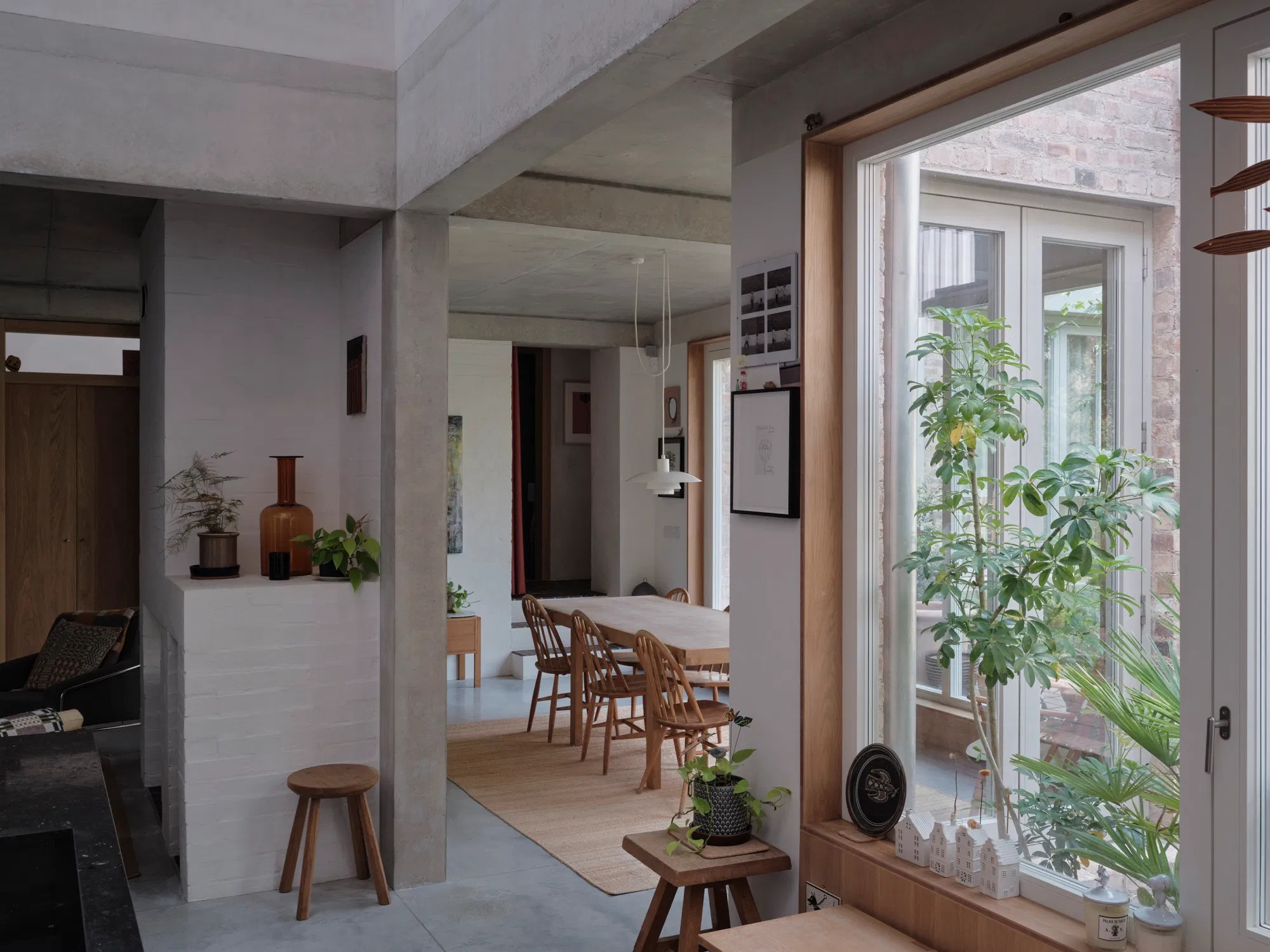
Individual houses had a strong year, with several exploring low-impact construction and rural settings.
- A house at Fairmead, High Beach, Epping Forest by Sergison Bates architects (Essex)
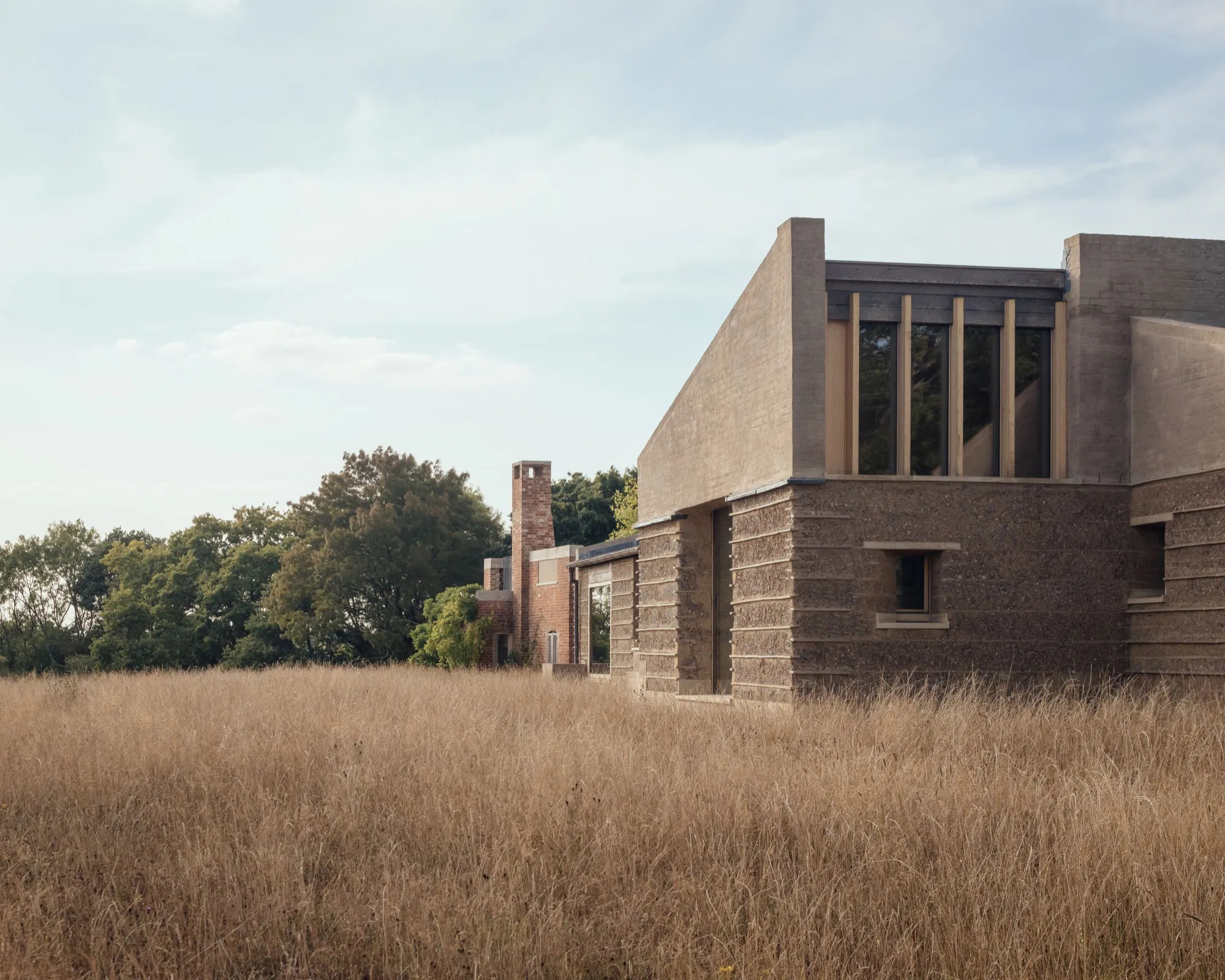
- Rammed Earth House by Tuckey Design Studio (Wiltshire), built from earth sourced on site
- Highbury House and Studio by Maich Swift Architects (London)
- Smart’s Place by David Kohn Architects (London), a rooftop house in central London
- The Apple House by Okra (Hertfordshire)
- Pantybara by Rural Office (Carmarthenshire)
- Iorram by Baillie Baillie Architects (Plockton)
- Tollymore by McGonigle McGrath (County Down)
Housing at Scale and Mixed-Use Neighbourhoods
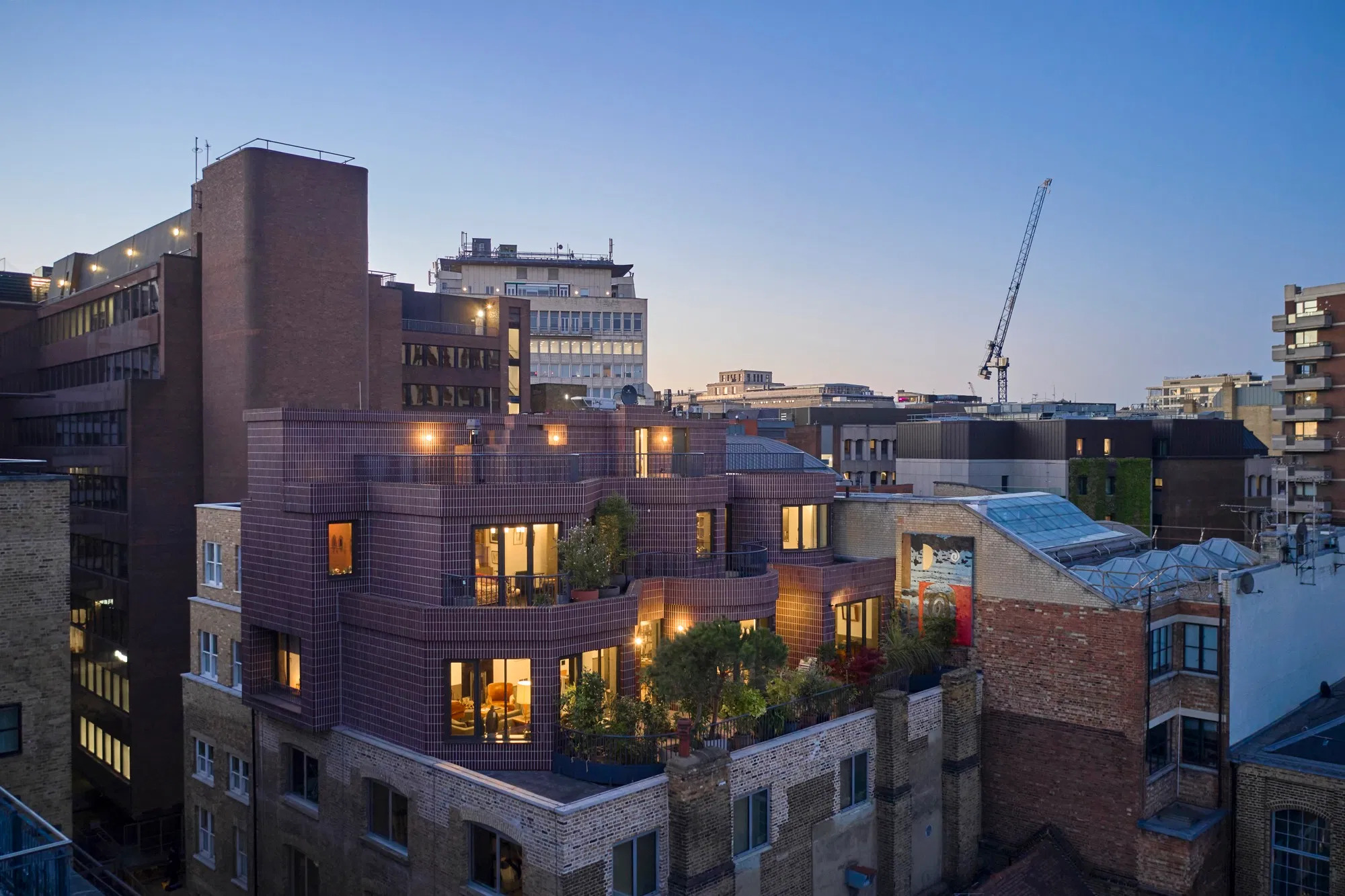
Delivering homes in volume, and knitting them into wider regeneration, ran through much of the list.
- Canada Water Plot K1 by Morris+Company with White Ink (London)
- Lion Green Road by Mary Duggan Architects (Design) with RUFF Architects (Delivery) (Croydon, London)
- Norton Folgate by Allford Hall Monaghan Morris, Stanton Williams by Morris + Co, DSDHA and East (London)
- Plashet Road by Newham, Levitt Bernstein (London)
- The Brentford Project, Phase 1 by Allford Hall Monaghan Morris, Howells and Maccreanor Lavington (London), part of a scheme delivering more than 800 homes
- The Tannery by Coffey Architects (London)
Arts, Culture and Heritage

Cultural and heritage projects, many of them reworking older buildings, were among the most visible winners.
- Sadler’s Wells East by O’Donnell + Tuomey (London), a new dance venue in the Queen Elizabeth Olympic Park
- Bristol Beacon by Levitt Bernstein (Bristol)
- BEAM by Bennetts Associates (Hertford), an arts venue on the banks of the River Lea
- Arding & Hobbs by Stiff+Trevillion (London), a Grade II-listed Edwardian department store reworked for mixed use at Clapham Junction
- Heritage Quad: York Minster Centre of Excellence by Tonkin Liu Architects (York)
- Technology Hub: York Minster Centre of Excellence by Tonkin Liu Architects (York)
- Urban Nature Project by Natural History Museum, Feilden Fowles (London)
Higher Education
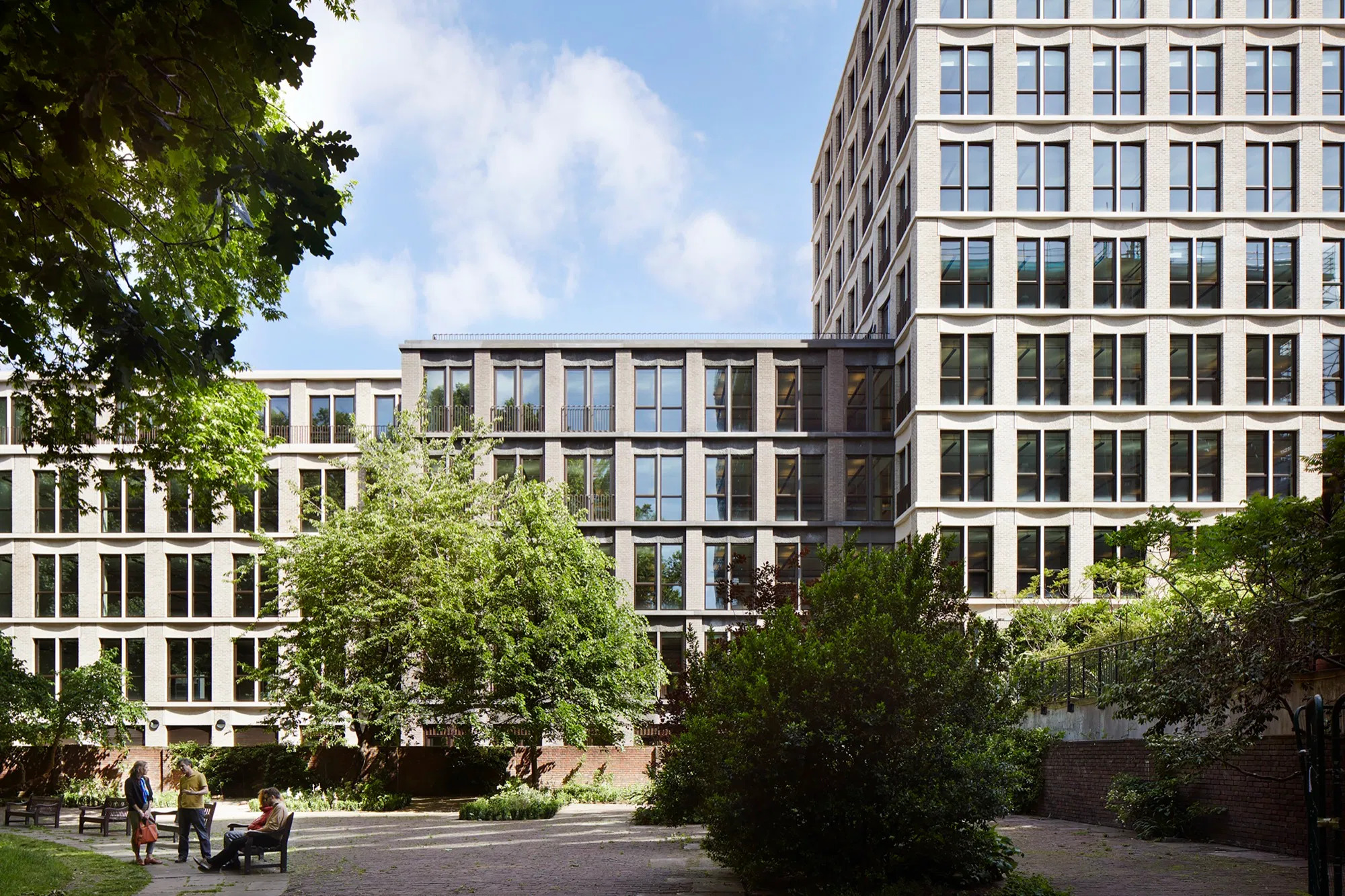
Universities and colleges continue to commission some of the country’s most considered architecture, with Cambridge especially well represented.
- UCL East by Marshgate, Stanton Williams (London)
- UCL One Pool Street by Lifschutz Davidson Sandilands (London)
- River Wing by Clare College, Cambridge, Witherford Watson Mann Architects (Cambridge)
- Pembroke by Mill Lane, Haworth Tompkins (Cambridge)
- The Richard Cairns Building, Brighton College by KRFT Architecture studio and Nicholas Hare Architects (Brighton)
Workplaces, Civic Buildings and Infrastructure

Offices, health and transport round out the list, with adaptive reuse again to the fore.
- Paddington Square by Renzo Piano Building Workshop with Adamson Associates (London), a cube-shaped scheme over a major rail interchange
- Plant by Feilden Clegg Bradley Studios with Grant Associates by Twelve Architects and Studio Knight Stokoe (Basingstoke), a reworking of the Grade II-listed Mountbatten House
- Space House by Squire and Partners, Atelier Ten, Pell Frischmann by Donald Insall Associates, Gustafson Porter + Bowman, Gardiner and Theobald and BAM (London)
- The Featherstone Building by Morris+Company (London)
- Harold Moody Health Centre by Morris+Company (London), praised for its warmly human design in Southwark
- Kepax Footbridge by Moxon Architects and Jacobs (Worcester), a new pedestrian crossing over the River Severn
🔢 Quick Numbers
- 32 projects won a RIBA National Award in 2026 (RIBA, 2026)
- 17 of the 32 winners are in London, more than half the list (The Architects’ Journal, 2026)
- Morris+Company was the most successful practice, involved in 4 winning projects (The Architects’ Journal, 2026)
- 6 of the winners were shortlisted for the Stirling Prize, only 2 of them in London (Dezeen, 2026)
What Do the 2026 Winners Say About UK Architecture?
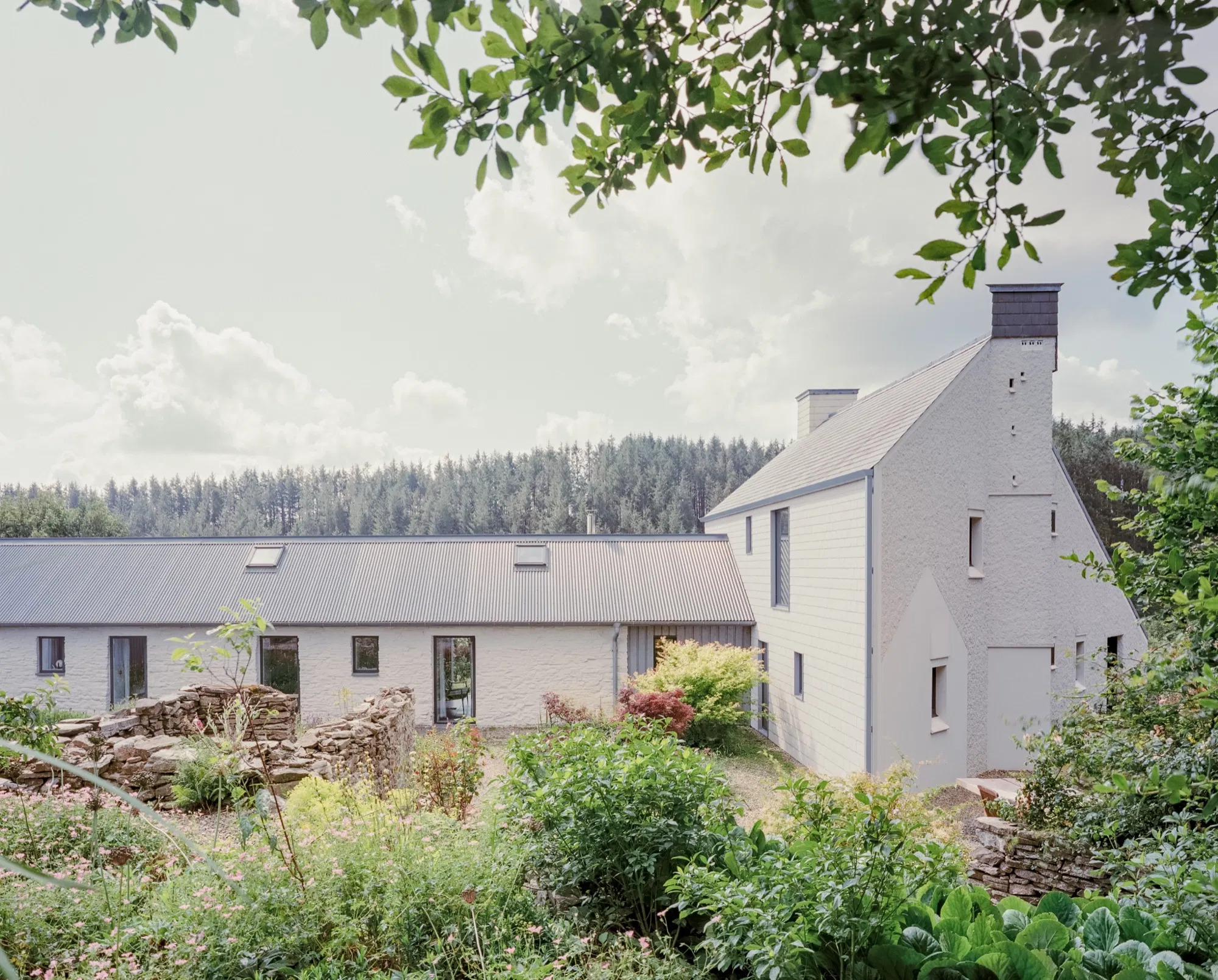
Two themes stand out. The first is reuse. A large share of the winners took an existing structure and gave it a new life rather than starting from a cleared site. Arding & Hobbs turned a listed Edwardian store into a mixed-use destination, Plant reworked a 1970s office building designed by Arup Associates, and both York Minster projects sit within a historic cathedral precinct. That direction reflects a wider shift in the profession toward keeping and upgrading buildings, a choice that usually carries a much lower carbon cost. Our breakdown of adaptive reuse versus new construction lays out why retrofit so often wins on both budget and emissions.
The second theme is material restraint. The Rammed Earth House uses earth from its own plot, Pantybara and several of the rural homes lean on local, low-impact palettes, and brick appears again and again across the housing schemes. These are quiet, durable choices rather than showy ones, and the jury clearly rewarded them.
The geography tells its own story. With 17 of 32 winners in London, the capital again dominates, a pattern that has drawn comment from critics for years. The concentration reflects where budgets, land values and ambitious clients most often line up, which is part of why competitions and awards matter as a way to surface strong work from every region. We have written before on how architectural competitions drive innovation and raise standards well beyond the winners themselves. For the full regional split and analysis, The Architects’ Journal has mapped all 32 winning projects.
📌 Did You Know?
Feilden Clegg Bradley Studios is the most recognised practice in the six-decade history of the RIBA Awards. Its work on Plant, the reworking of the Grade II-listed Mountbatten House in Basingstoke, marks the studio’s 72nd RIBA award, ahead of BDP in second place with 59 (The Architects’ Journal, 2026).
The RIBA Stirling Prize 2026 Shortlist
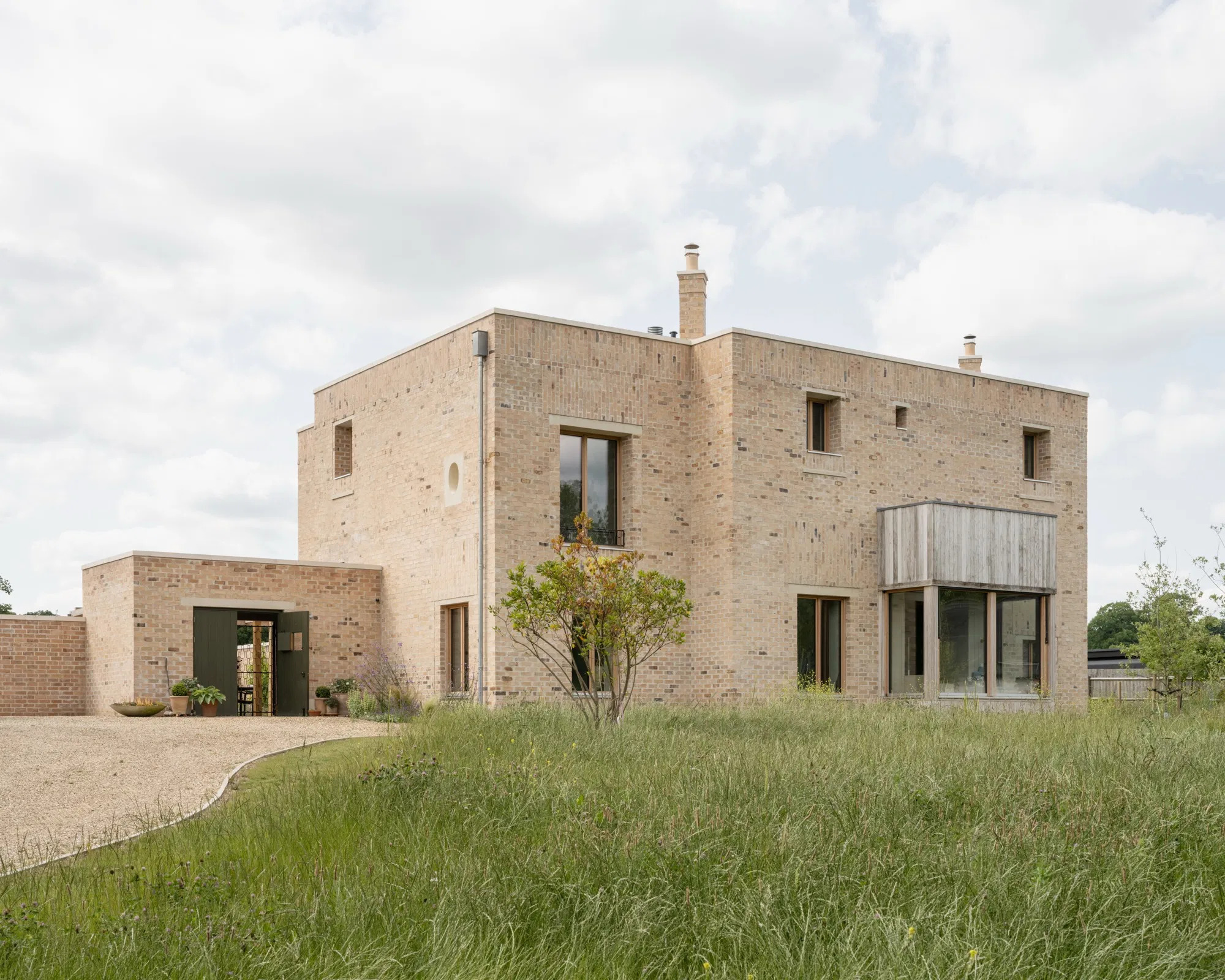
On 16 July 2026, the RIBA revealed the six buildings competing for the Stirling Prize, the award for the UK’s best new building. All six come from the National Award winners. RIBA President Chris Williamson said the shortlist shows “what architecture can achieve when creativity, purpose and public value come together,” pointing to schemes that revive communities, rework public infrastructure and evolve historic institutions. The table below sets out the six contenders for the riba stirling prize 2026.
The Six Shortlisted Buildings
The following table summarises the 2026 Stirling Prize shortlist:
| Project | Practice | Location | Type |
|---|---|---|---|
| A house at Fairmead | Sergison Bates architects | Epping Forest, Essex | Private house |
| BEAM | Bennetts Associates | Hertford, Hertfordshire | Arts venue, reuse |
| Lion Green Road | Mary Duggan Architects with RUFF Architects | Croydon, London | Housing |
| Paddington Square | Renzo Piano Building Workshop with Adamson Associates | London | Mixed use over rail |
| Pembroke, Mill Lane | Haworth Tompkins | Cambridge | Higher education |
| River Wing, Clare College | Witherford Watson Mann Architects | Cambridge | Higher education |
The shortlist carries a couple of notable storylines. Witherford Watson Mann won the 2025 Stirling Prize for the Appleby Blue Almshouse in Southwark, so its River Wing at Clare College puts the practice in the rare position of chasing back-to-back wins. The last studio to manage that was Zaha Hadid Architects, which took the prize in 2010 and again in 2011, as covered in our look at the most iconic Zaha Hadid buildings. Paddington Square, meanwhile, is only the second Stirling shortlisting for Renzo Piano Building Workshop, after The Shard missed out in 2014.
There is also a clear geographic twist. While London took more than half of the National Awards, only two of the six Stirling contenders sit in the capital. The other four are clustered in eastern England, in Cambridge, Essex and Hertfordshire, which is an unusual reversal for a shortlist that has leaned heavily toward London in most recent years. Dezeen has published detail and images of each shortlisted project for readers who want a closer look.
How the RIBA Awards Work, and What Happens Next
The route to the Stirling Prize is deliberately demanding. A building is judged first for a Regional Award, then a National Award, and only National Award winners can reach the six-building Stirling shortlist. Because jurors visit every shortlisted building in person, the process tests how a project actually performs, not just how it photographs. That is a meaningful difference from awards decided on submitted images alone, and it is set out clearly in the background to the Stirling Prize.
💡 Pro Tip
If you are aiming for RIBA recognition, remember that entries are judged in the region where the building stands, and a Regional Award is the mandatory first step before any National Award or Stirling consideration. Build your submission around an in-person visit, not just drawings and renders, and make sure the finished project reads clearly on the ground.
This year’s Stirling Prize also marks a milestone. The award turns 30 in 2026, and for the first time all of the National Award winners will feature in a dedicated exhibition alongside it. The winner will be named at a ceremony at Old Billingsgate in London on 15 October 2026. The award continues to sit within a strong year for RIBA honours more broadly, following the announcement of the 2026 RIBA Royal Gold Medal earlier in the year.








How HKS Made Astra Tower, Utah’s Tallest Building, Feel Local
Astra Tower, Utah's tallest building since it opened in May 2025, takes...
 illustrarch Editoral Team4 Mins read

Manipal University Team Turns Treated Sewage Into Stronger Biochar Concrete
Manipal University Jaipur researchers find biochar from treated sewage can strengthen concrete,...
illustrarch Editoral Team3 Mins read

Ahmedabad Civic Body Plans 3D Digital Twin of Entire City
AMC plans a 625 sq km GIS survey giving 25 lakh properties...
illustrarch Editoral Team2 Mins read
SAGA Space Architects Completes 36 3D Printed Student Homes in Denmark
SAGA Space Architects completes a 36-unit 3D printed student housing scheme in...
illustrarch Editoral Team1 Mins read


Leave a comment