
Sustainable Architecture Hub
Sustainable architecture, from climate and site to materials and wellbeing
Our sustainable architecture guides in one place: read the climate, orient the building, choose lower impact materials, bring nature back inside and design for heat, storms and change.
Open the sun path tool →Start with the basics →Updated November 2026
Most read sustainable architecture guides
The guides readers open most often from Google search, based on the last 90 days.
- 1
 8 Examples of Successful Disaster Resilient Architecture11 min read
- 2Eco-Tourism Architecture: Principles, Examples & Sustainable Design Guide12 min read
- 3Symbiotic Design in Architecture: Building Sustainable Spaces That Harmonize with Nature7 min read
- 4How Sustainable Architecture Reimagines Our Future: Building Eco-Friendly Communities8 min read
- 5The Importance of Concept in Sustainable Architecture9 min read


A learning route through sustainable architecture
New to sustainable architecture? Read these nine guides in order. Each step builds on the one before, from the core principles to designing with climate and choosing materials and standards.
What sustainable architecture means and the principles behind it.
Read the climate and the sun, then test your design with a simple analysis.
Pick greener materials, compare green building standards and learn from resilient buildings.
Free Climate Tool
Plot the path of the sun for your site and any date before you fix the orientation, the openings and the shading. Free, runs in the browser, no account.
All free tools →
Sustainable Architecture Basics
What sustainable architecture means, the principles behind it, the role of a strong concept and a step by step way to run a sustainability analysis on your own project.
Guides and examples
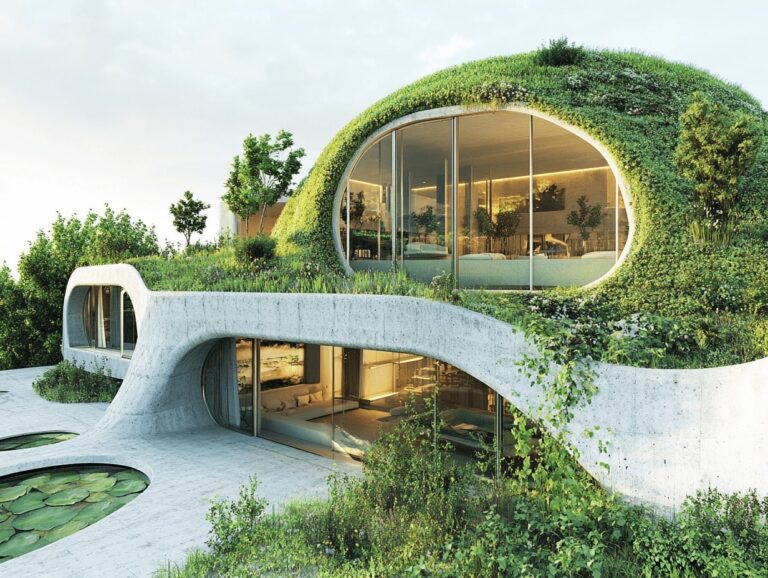 How Sustainable Architecture Reimagines Our Future: Building Eco-Friendly Communities
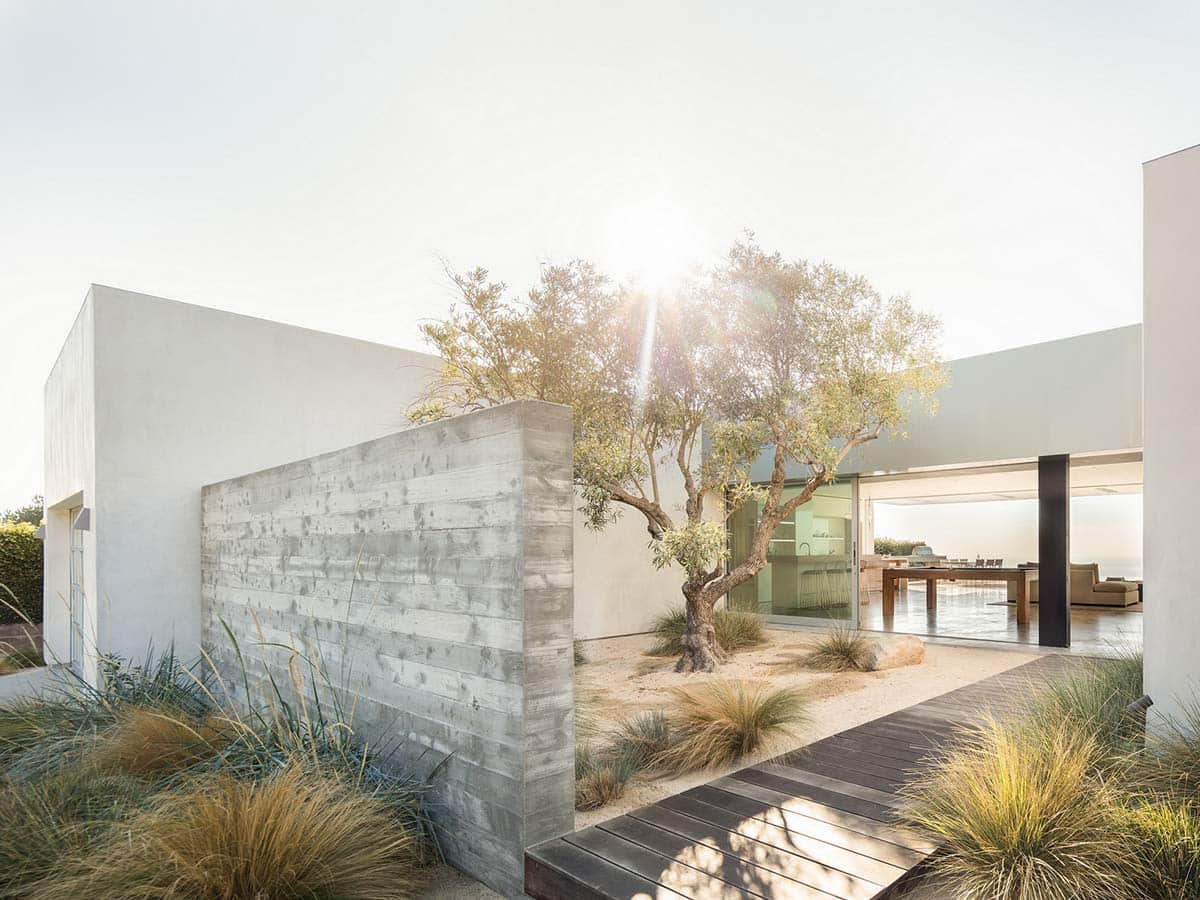 Sustainable Architecture in the Modern World: Principles and Examples
 The Importance of Concept in Sustainable Architecture
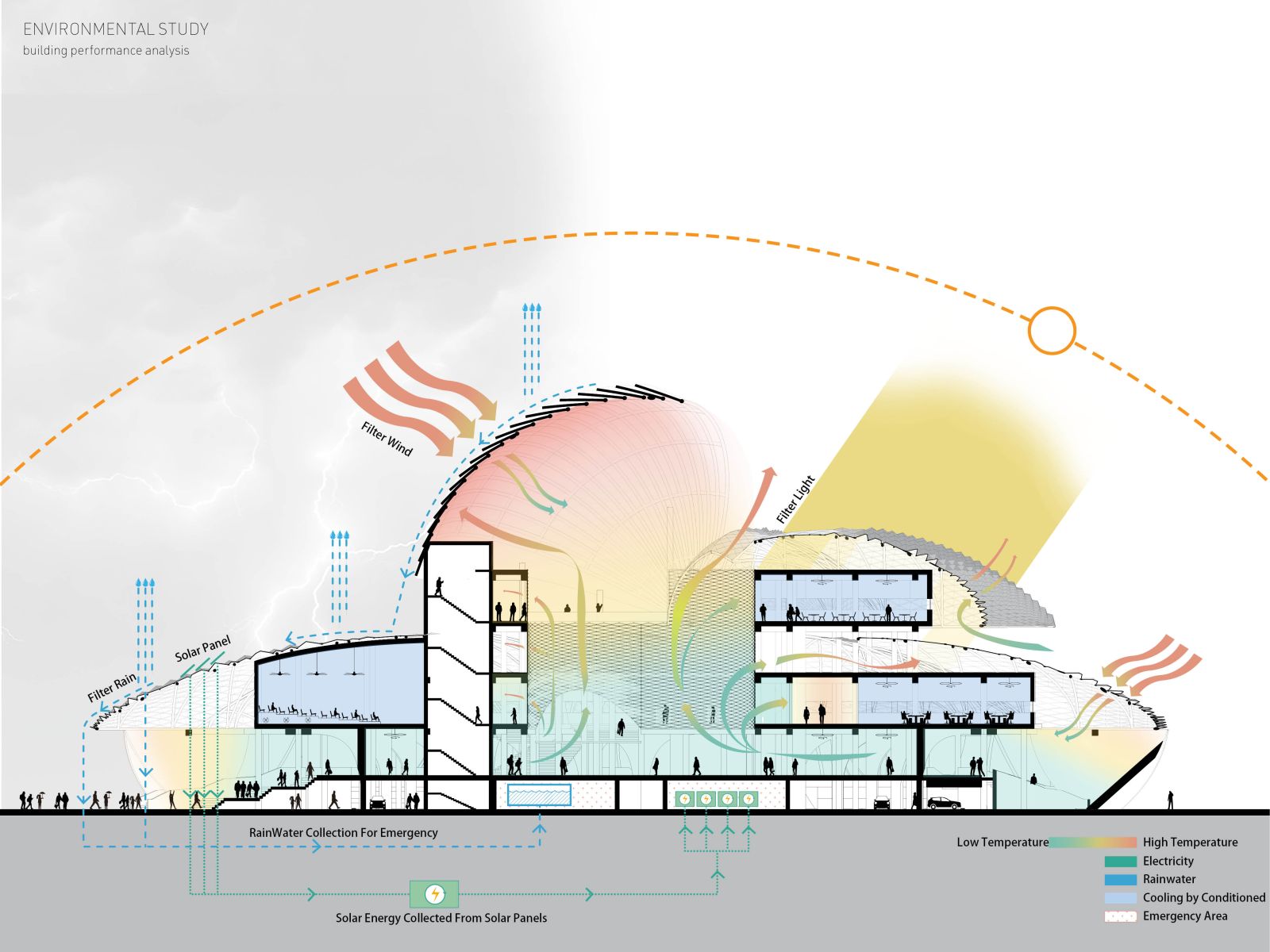 How To Make a Sustainability Analysis in Architecture (Step-by-Step)
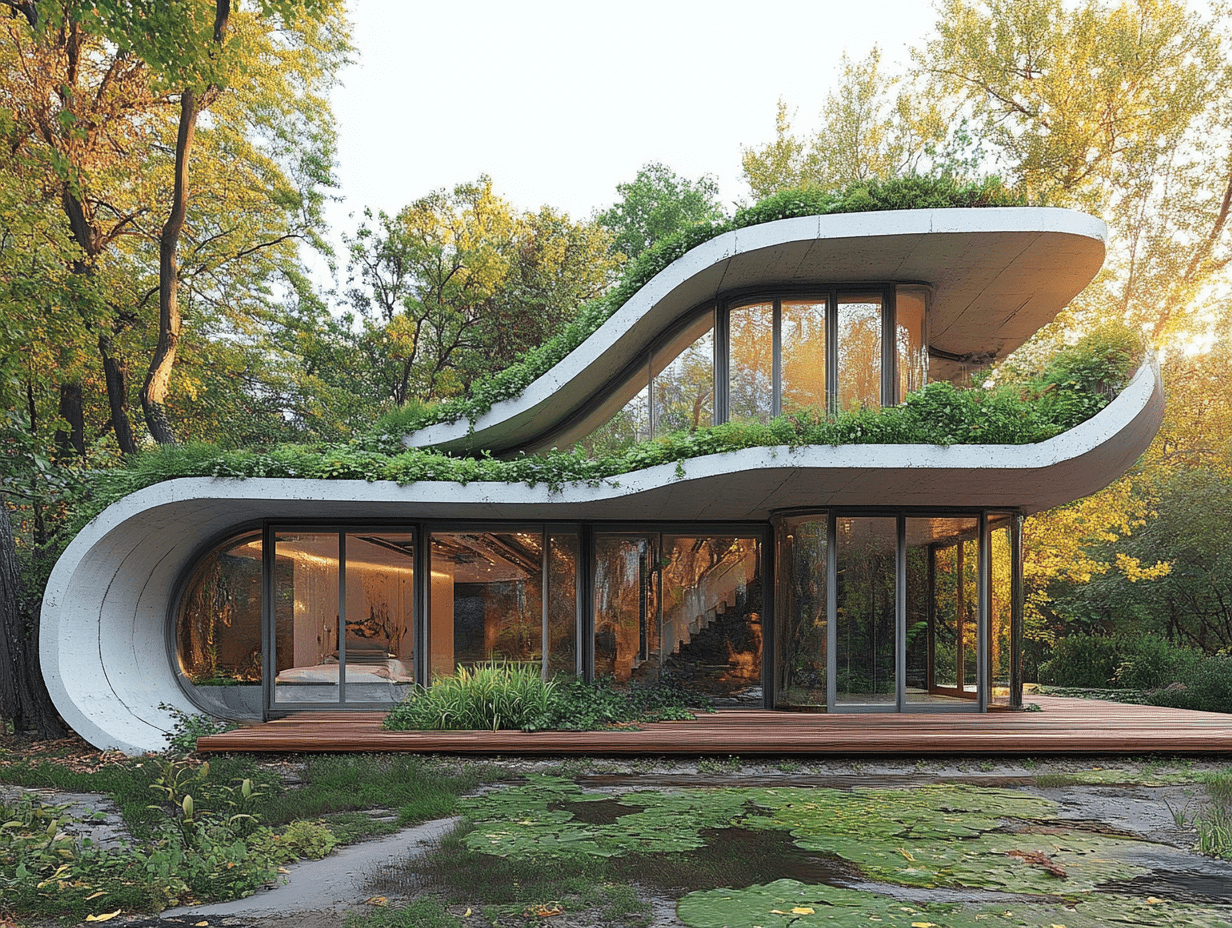 10 Sustainable Architecture Ideas for Greener Design
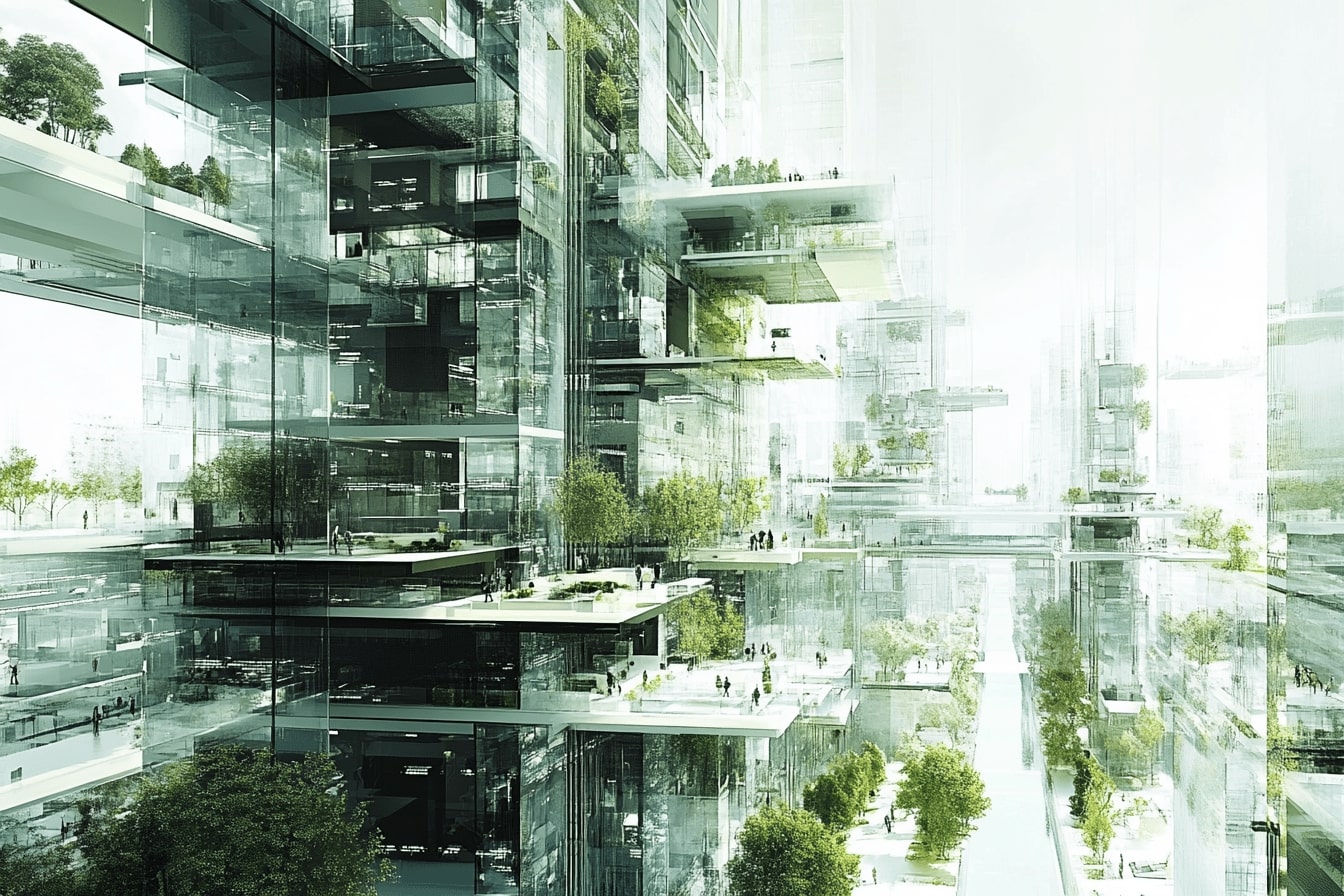 Future of Sustainable Architecture: Trends + Examples
Climate, Orientation and Energy
Start with the place. How climate, topography and orientation shape a building, how to design for heat and cold, and how passive house and LEED compare as green standards.
Free tools for this step
Guides and examples
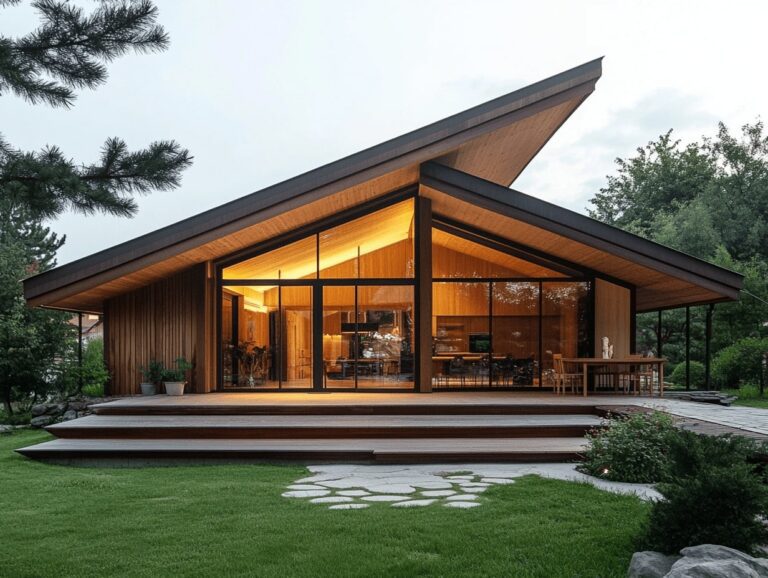 How Does Climate Impact Building Design? Key Factors and Sustainable Strategies
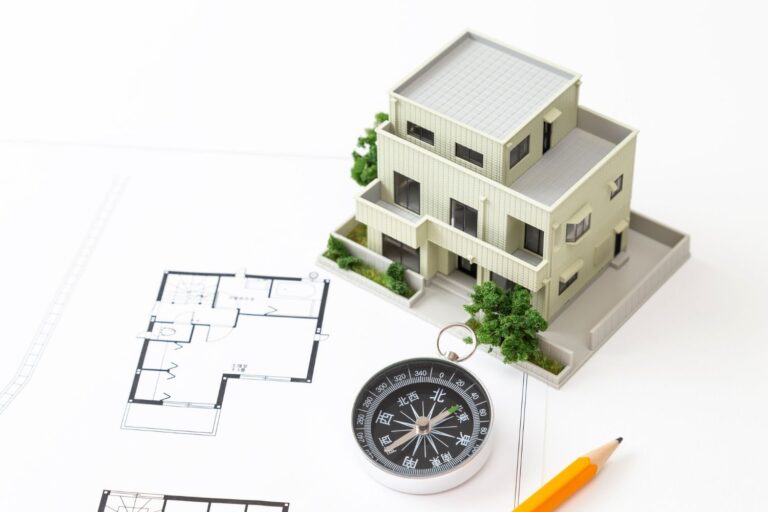 Best Orientation for a House: Why North Orientation Matters
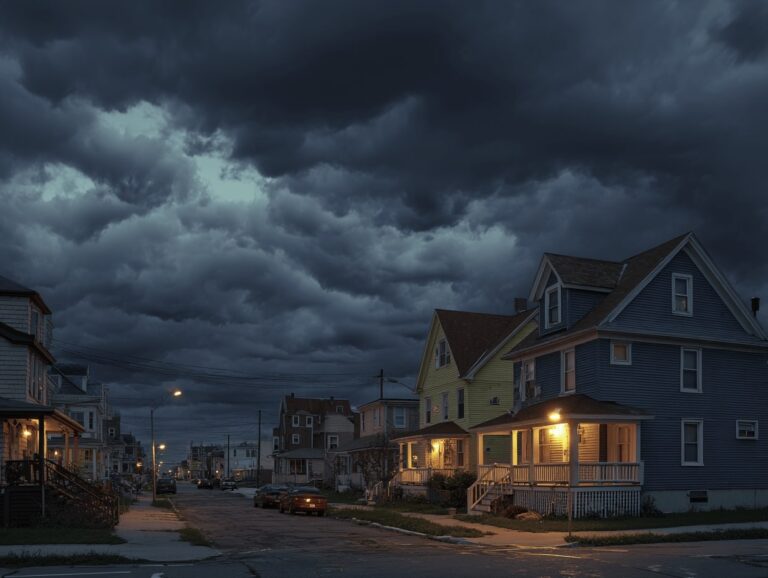 Architecture of Climate: Designing for Heat, Cold, and Storms
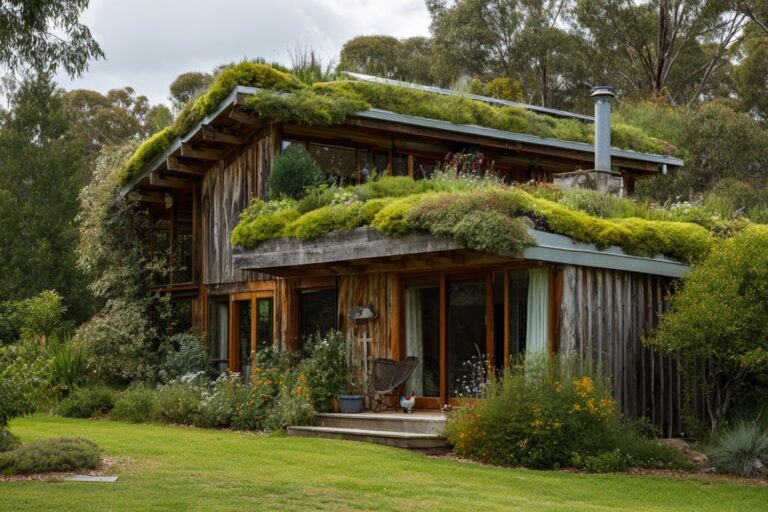 Passive House vs LEED Certification: Which Green Standard Should You Pursue?
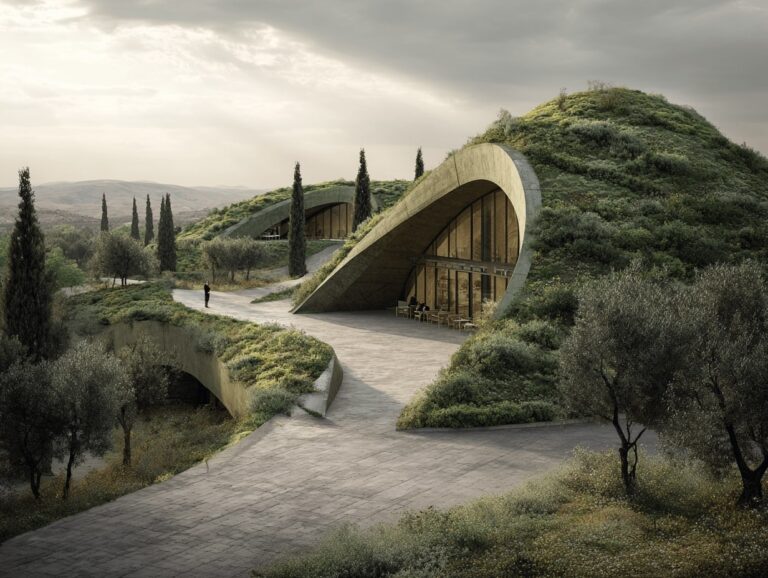 Understand Site Topography and Its Role in Sustainable Design for Eco-Friendly Solutions
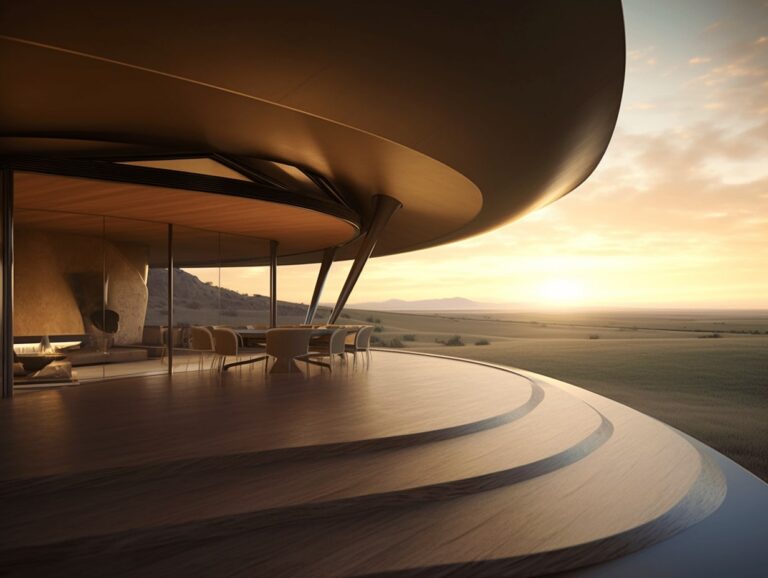 Off-Grid Desert Architecture: Principles and Examples
Resilient and Disaster Ready Design
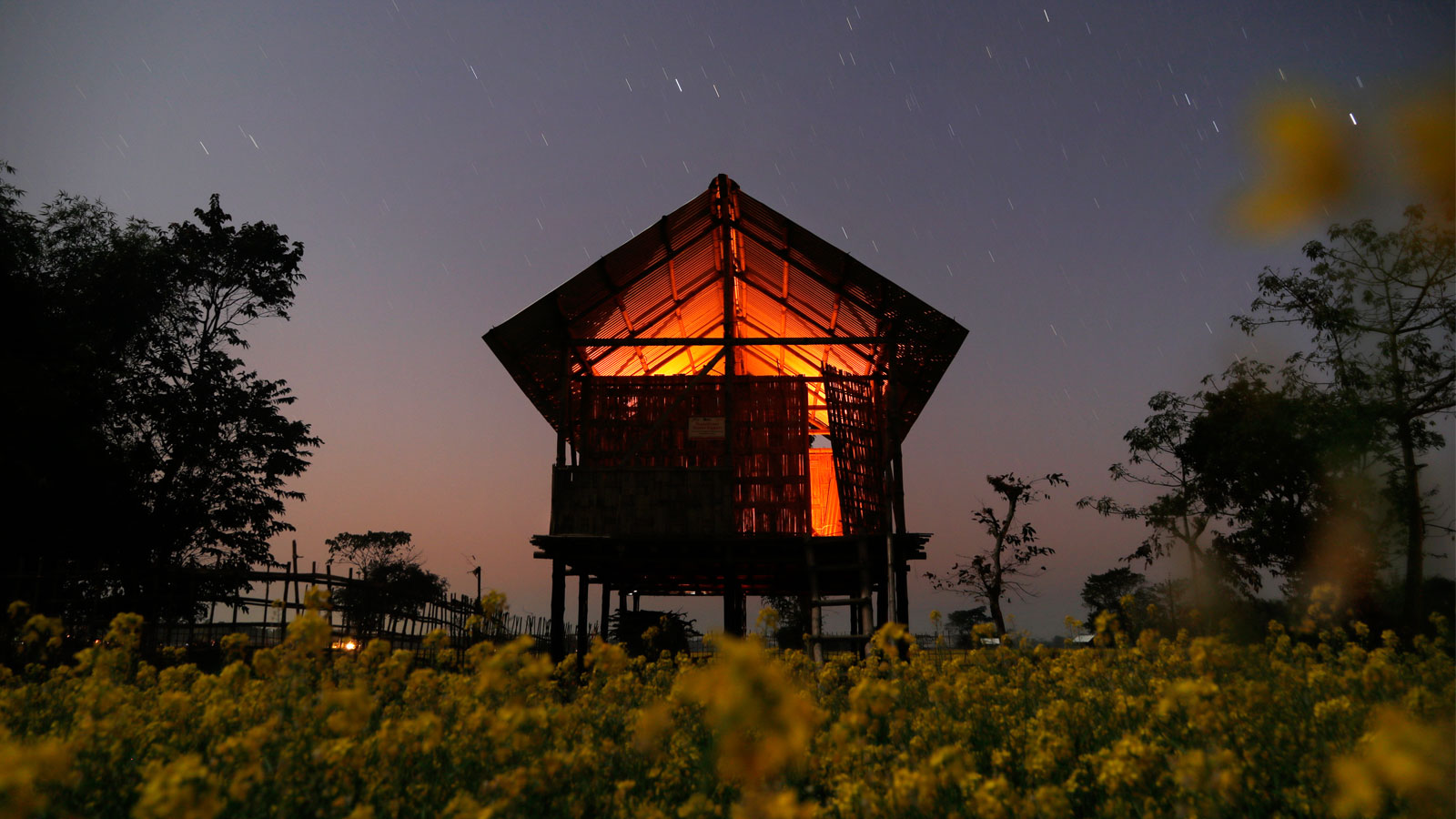
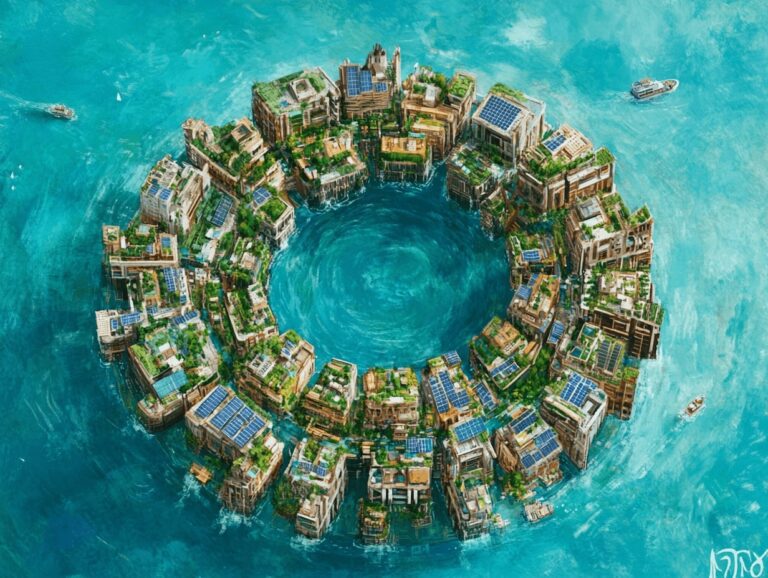
Buildings that keep working through floods, earthquakes and storms. Principles of resilient architecture, built examples and ideas for cities on the water.
Guides and examples
Biophilic and Wellness Design
Daylight, plants, views and natural materials change how a space feels. The patterns of biophilic design, how they apply to each building type and what wellness architecture looks like in practice.
Guides and examples
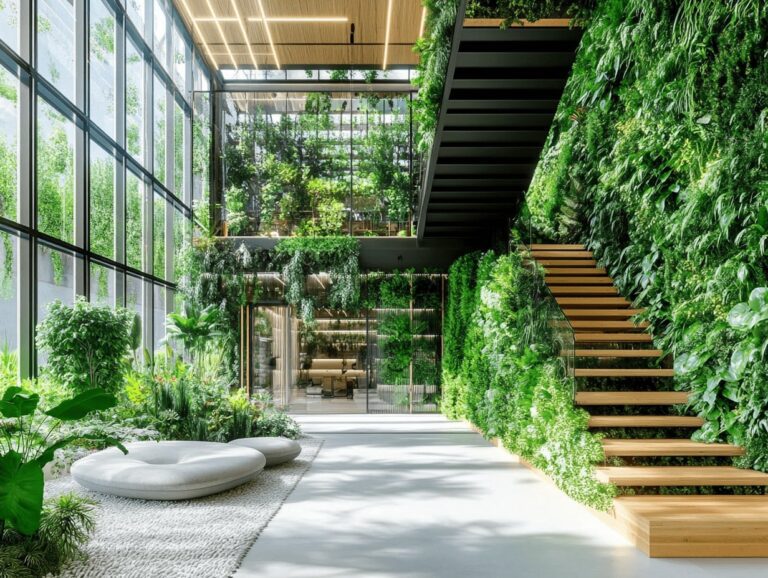 Biophilic Design: The 14 Patterns and Why They Matter
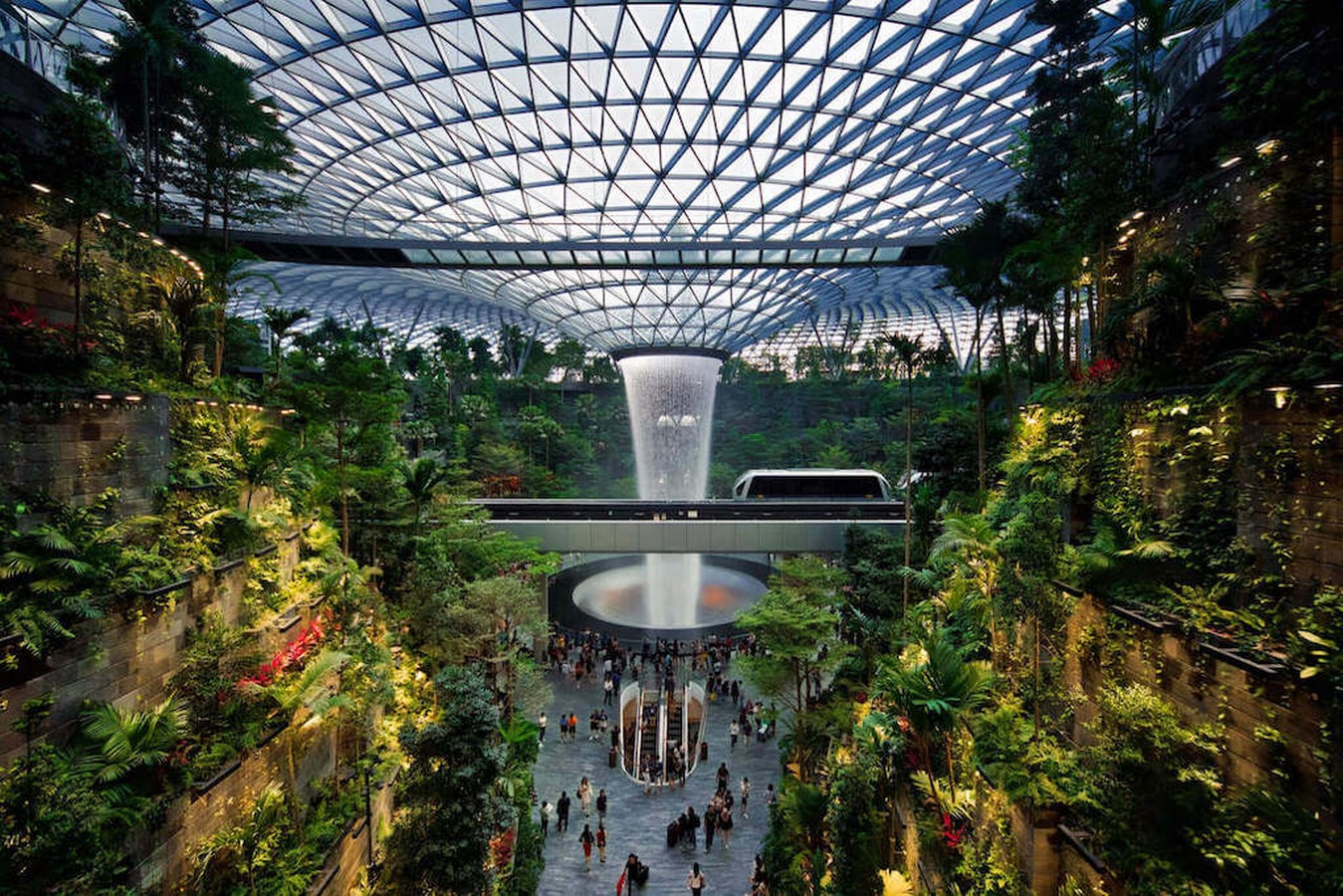 Biophilic Design in Architecture: Applications by Building Type
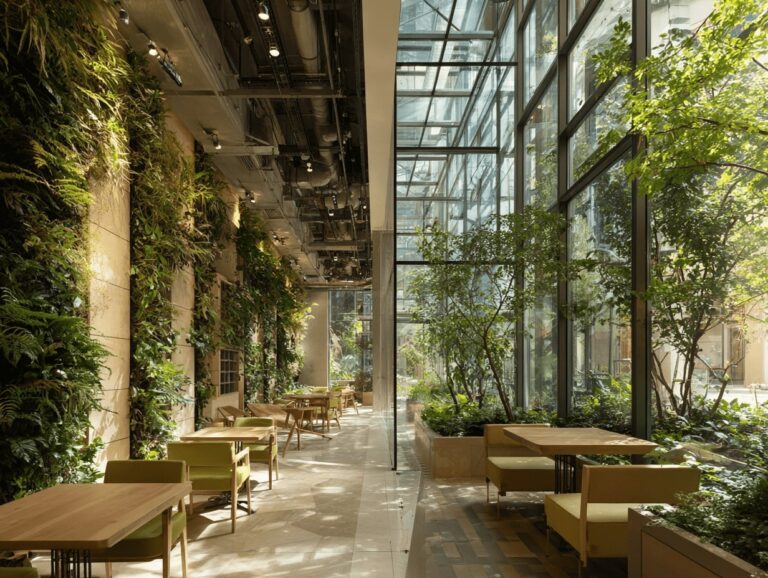 The Quiet Revolution of Biophilic Design
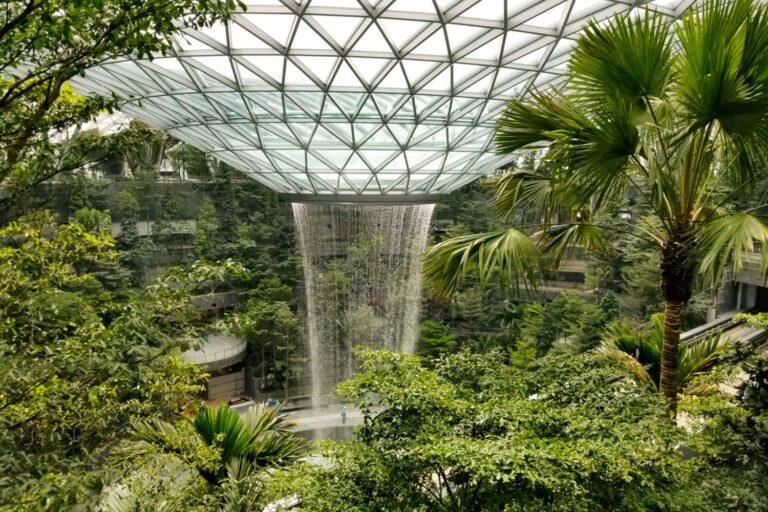 7 Inspiring Examples of Wellness Architecture
 Wellness Design in Architecture: 8 Key Principles and Real-World Examples
 How Architecture Influences Mental Health: Key Design Elements and Strategies
 The Psychology of Spaces: How Design Shapes Our Well-Being
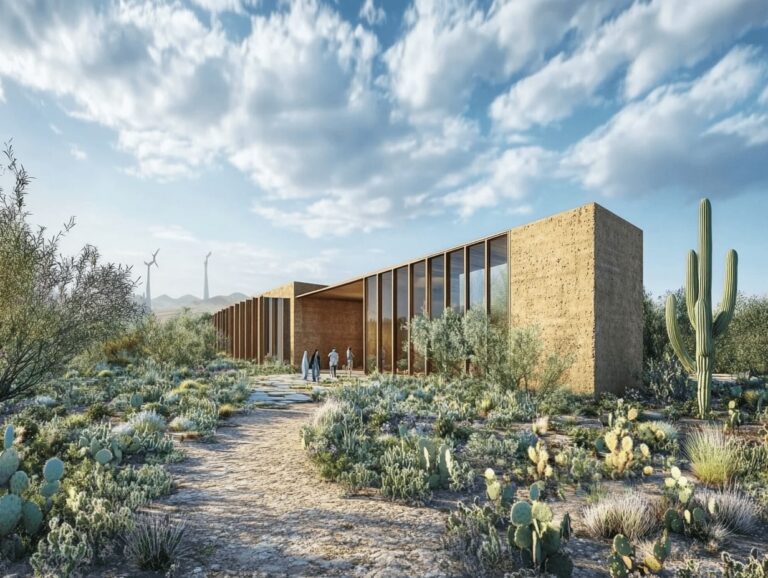 Nature Integrated Architecture for Healthier Urban Living
Biomimicry, Form Finding and Nature
Learn from how nature builds. Biomimicry, form finding and symbiotic design, plus buildings that grow around trees, sit under the ground or enclose a whole ecosystem.
Guides and examples
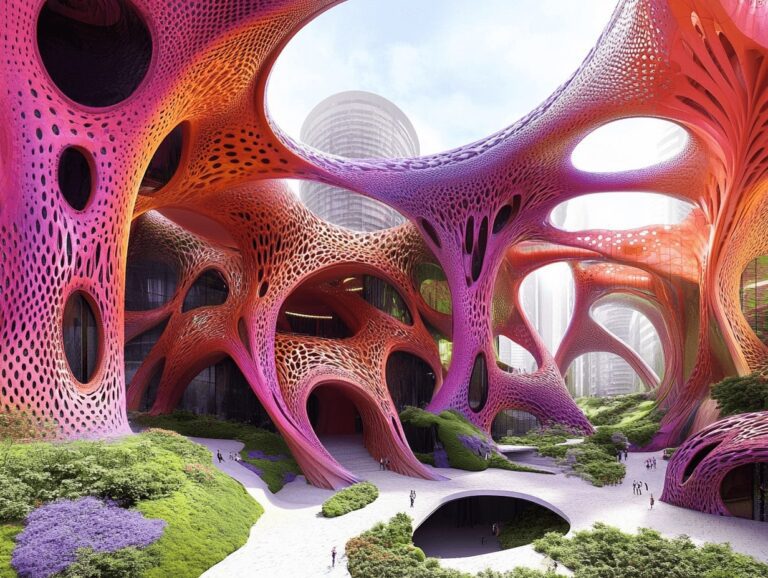 Biomimicry in Architecture: Principles & Examples
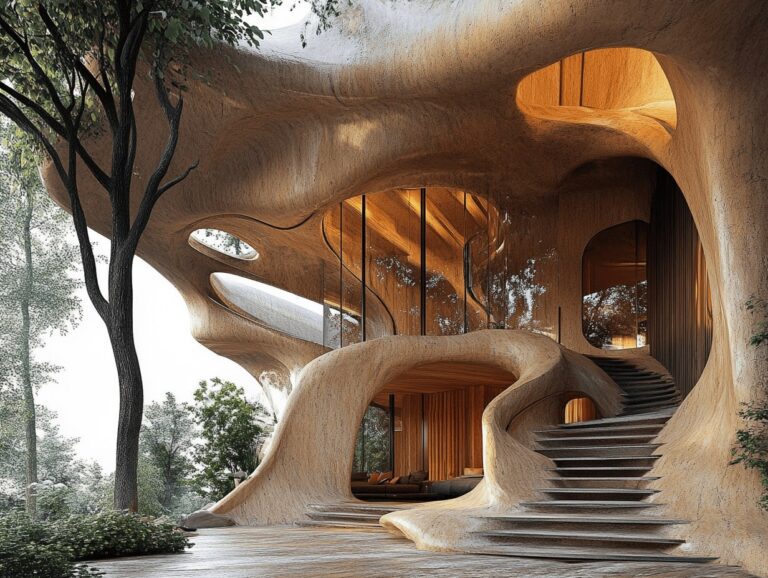 Form Finding in Architecture: Exploring Innovative Designs and Sustainable Solutions
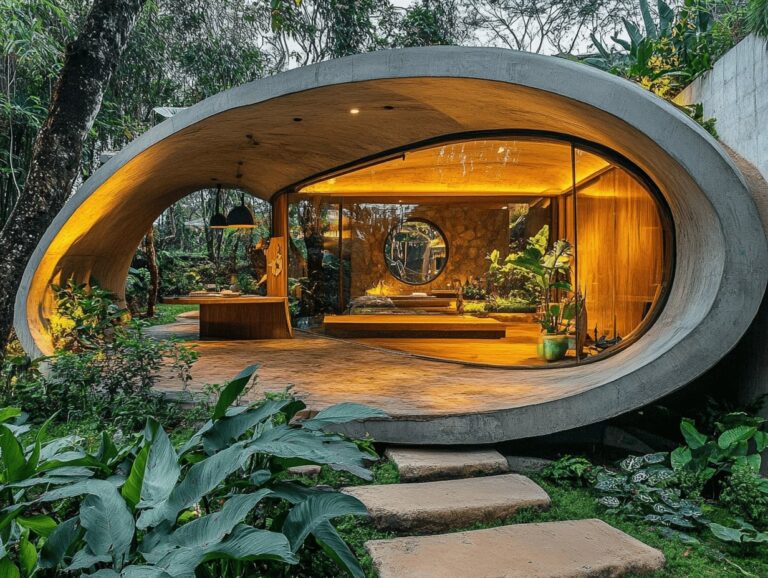 Symbiotic Design in Architecture: Building Sustainable Spaces That Harmonize with Nature
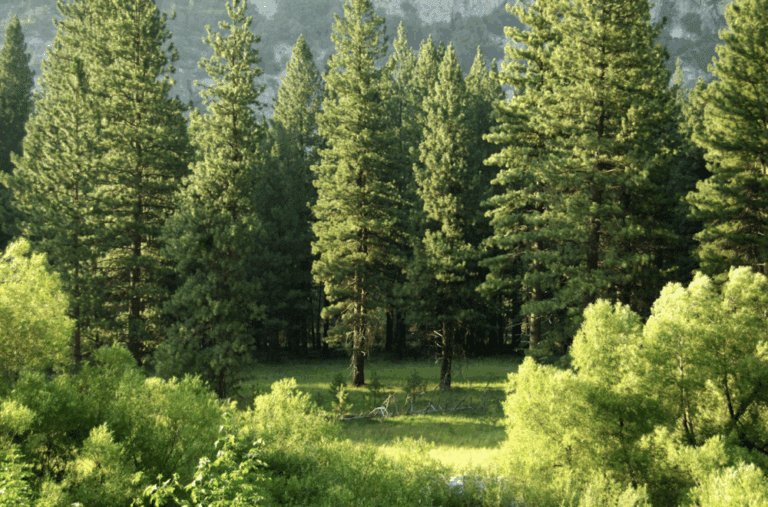 Sustainable Design: Integrating Trees into Modern Architecture
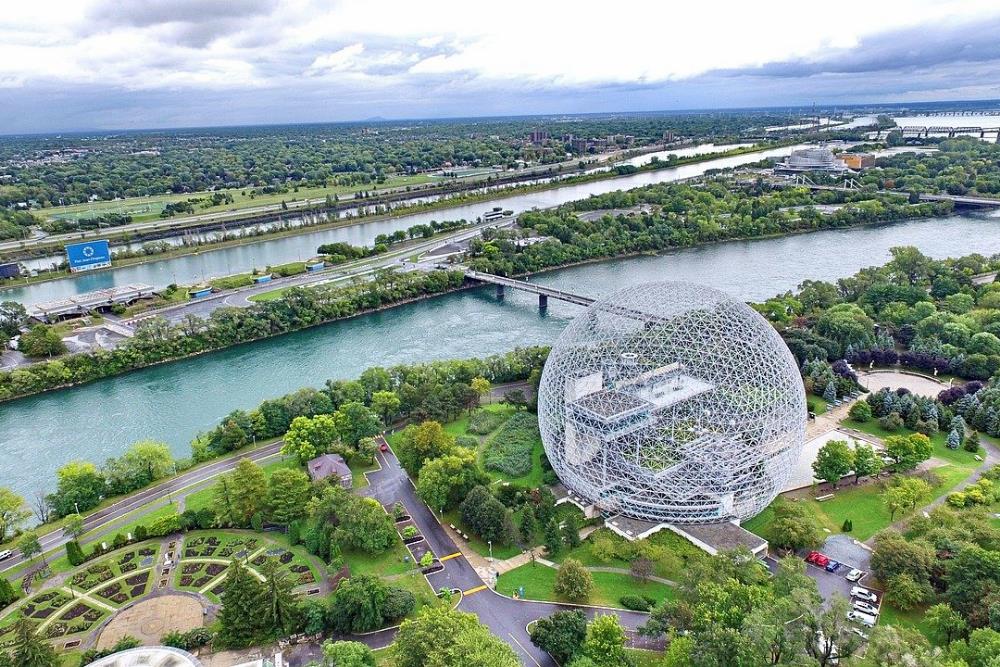 What Is a Biodome? Architecture, Purpose and 6 Landmark Examples
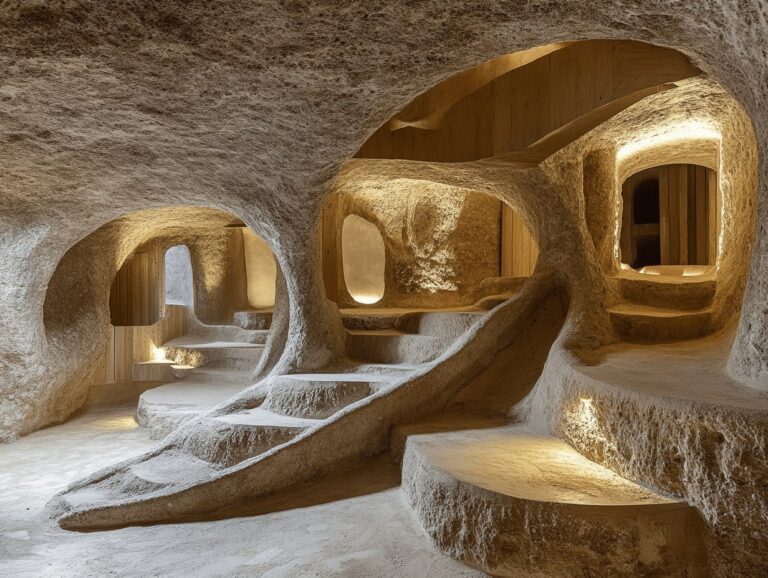 Underground Architecture: A Practical Design Guide
Sustainable Materials, Green Roofs and Living Facades
Wood, earth, biomaterials, local and upcycled materials, then the roofs and facades that carry plants, shade and insulation on the outside of the building.
Guides and examples
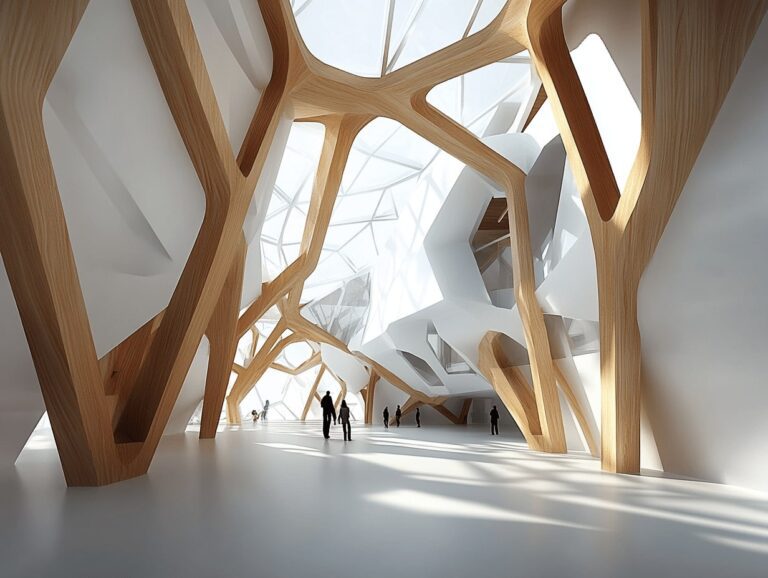 Exploring Wood and Glass Architecture: A Sustainable Approach to Modern Design
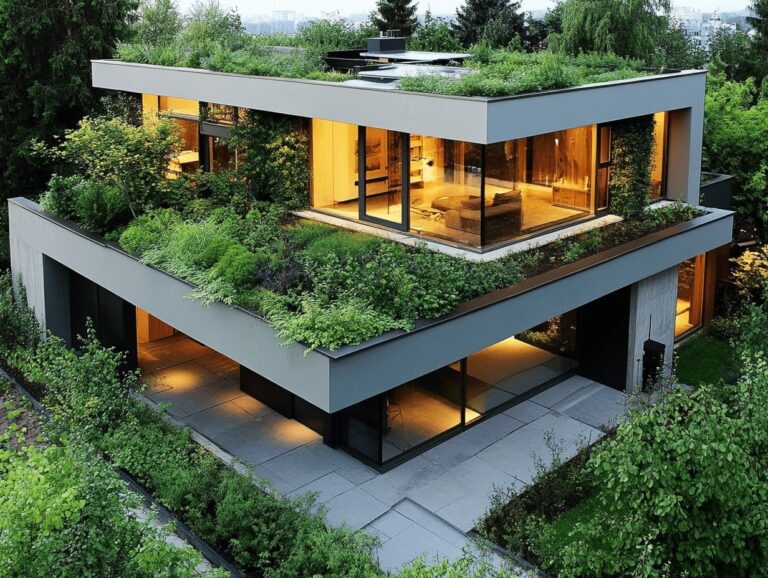 Eco Materials in House Construction: A Step-by-Step Guide to Sustainable Building
 Revolutionizing Sustainability: The Impact of Biomaterials in Architecture
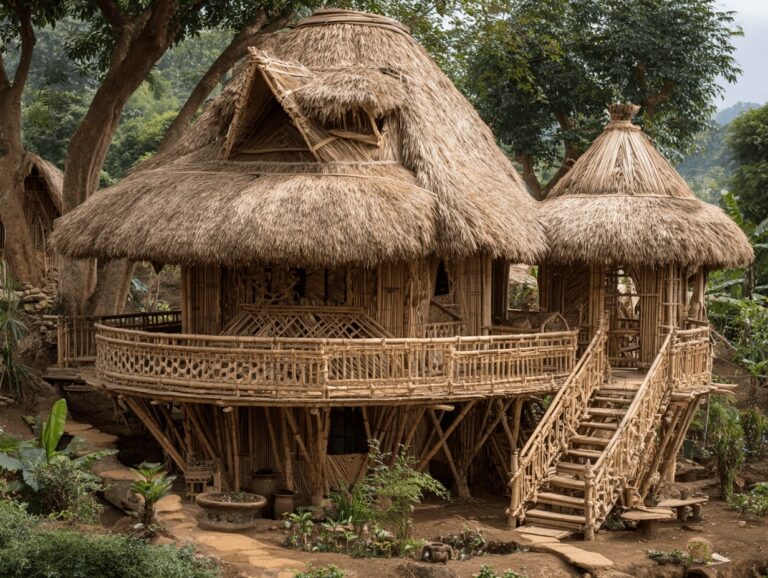 The Case for Local Materials and Low Tech Architecture: Building a Sustainable Future
 How Upcycling Materials Is Redefining the Future of Architectural Construction
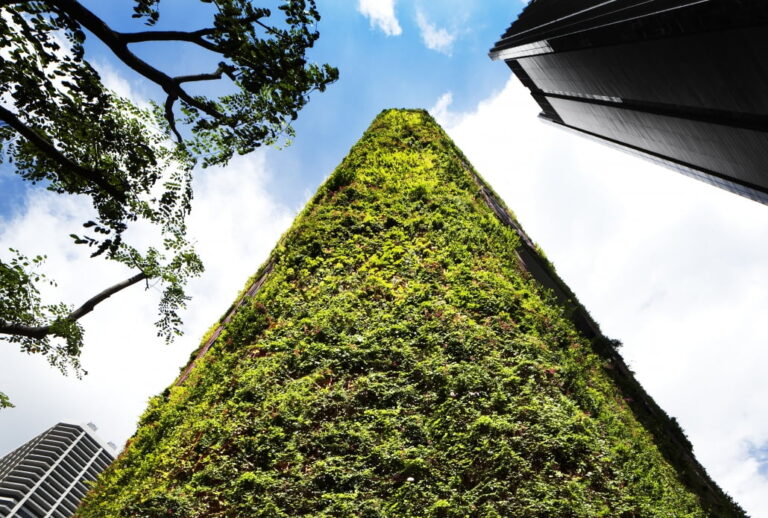 Green Skin: The Rise of Living Facades
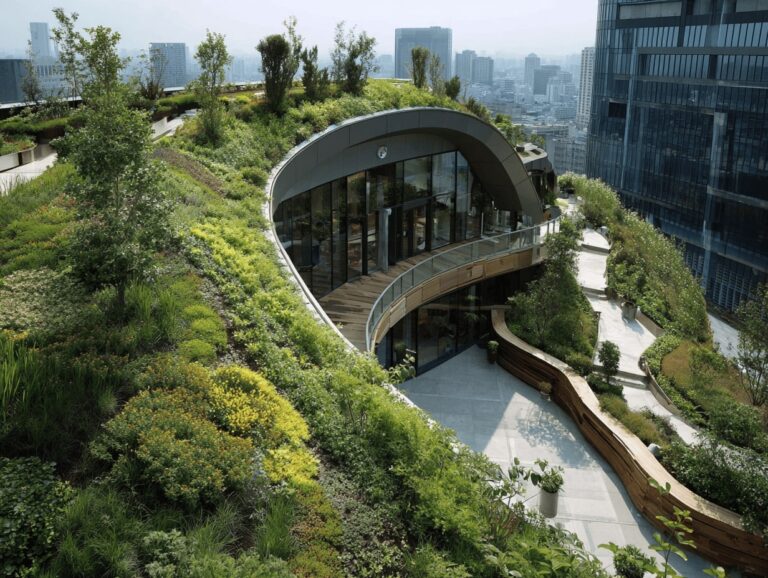 Exploring the Current Uses of Green Roofs: Benefits for Urban and Rural Spaces
 Sustainable Facade Materials: A Modern Trends Guide
Smart and Efficient Buildings
Technology that helps a building use less energy, from efficient heating and cooling to the digital tools and city systems that measure and control how spaces are used.
Guides and examples
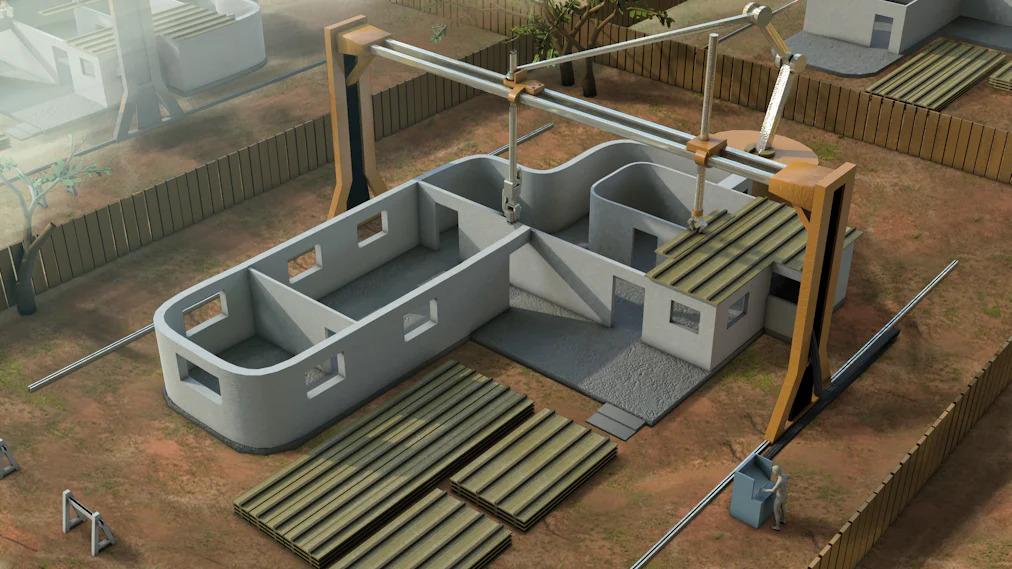

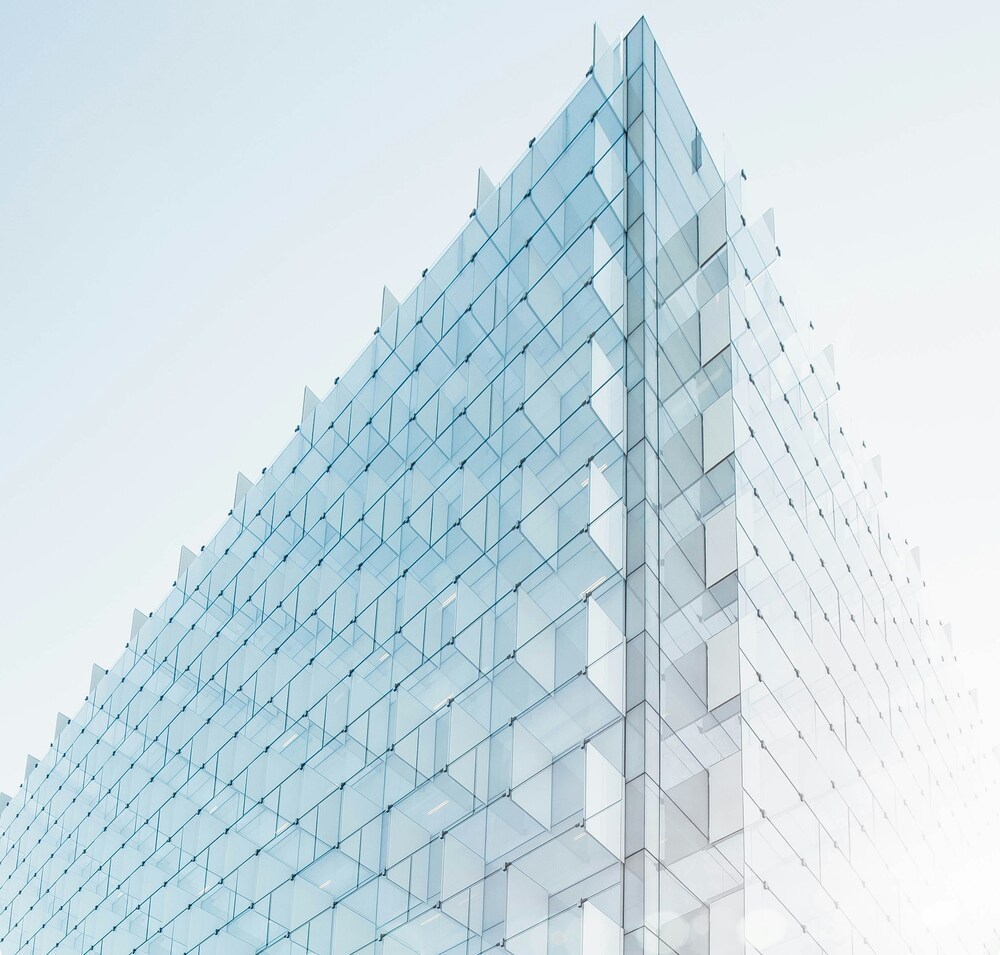
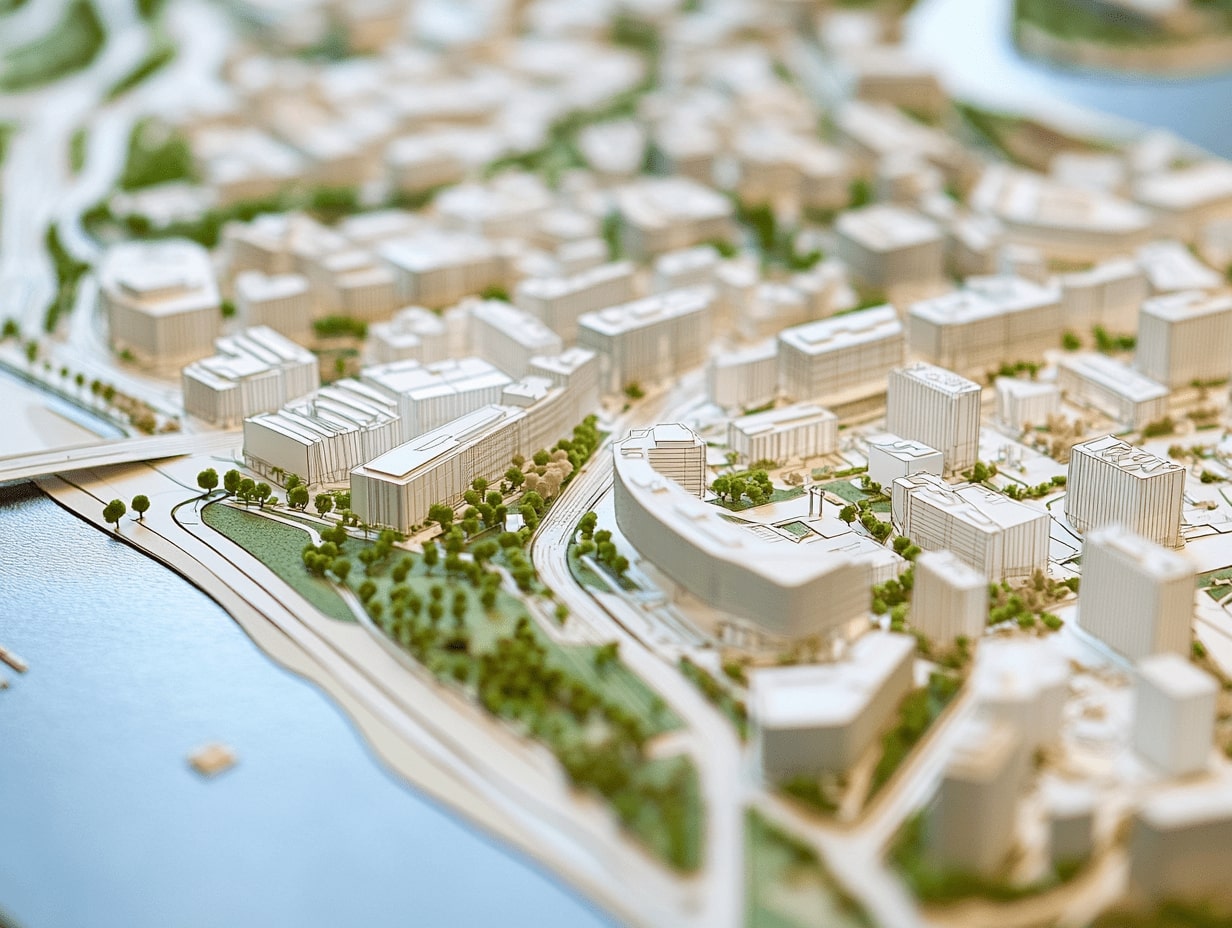
Green Buildings, Eco Tourism and Reuse
Sustainable ideas in built form: green towers, eco tourism projects, timber structures and adaptive reuse that keeps an existing building in use.
Guides and examples


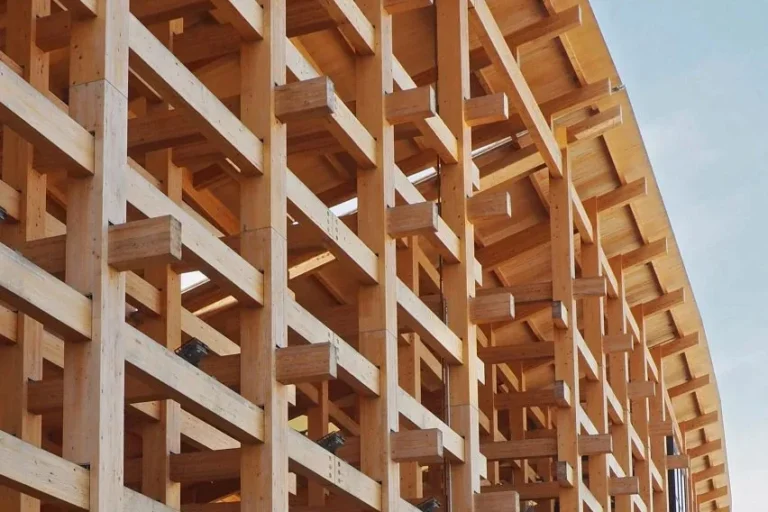
Green design strategies and what they do
Sustainable design is a mix of many small decisions. Use this table to see what each strategy is and its main benefit, then open the guide for principles and examples.
| Strategy | What it is | Main benefit | Guide |
|---|---|---|---|
| Solar orientation | Turning the most used rooms toward the sun's path | Sets comfort and energy use for the building's life | Read → |
| Passive House | A strict energy standard, certified pass or fail | Aims for up to 90% less heating and cooling energy | Read → |
| Green roof | A layered roof covered with plants and soil | Cools roofs in dense cities and filters the air | Read → |
| Living facade | Plants in modular panels fixed to the wall, with irrigation | Better air quality and more stable building temperature | Read → |
| Biophilic design | Daylight, greenery, water and natural forms built into spaces | Supports focus and lowers stress | Read → |
| Biomimicry | Copying how nature solves cooling, structure and water | Buildings that perform better with less material | Read → |
| Local materials and low tech | Building with regional materials and simple methods | Fewer transport emissions and support for local economies | Read → |
| Adaptive reuse | Giving an existing building a new use instead of demolition | Less construction material and waste | Read → |
Downloads for Climate and Site Work
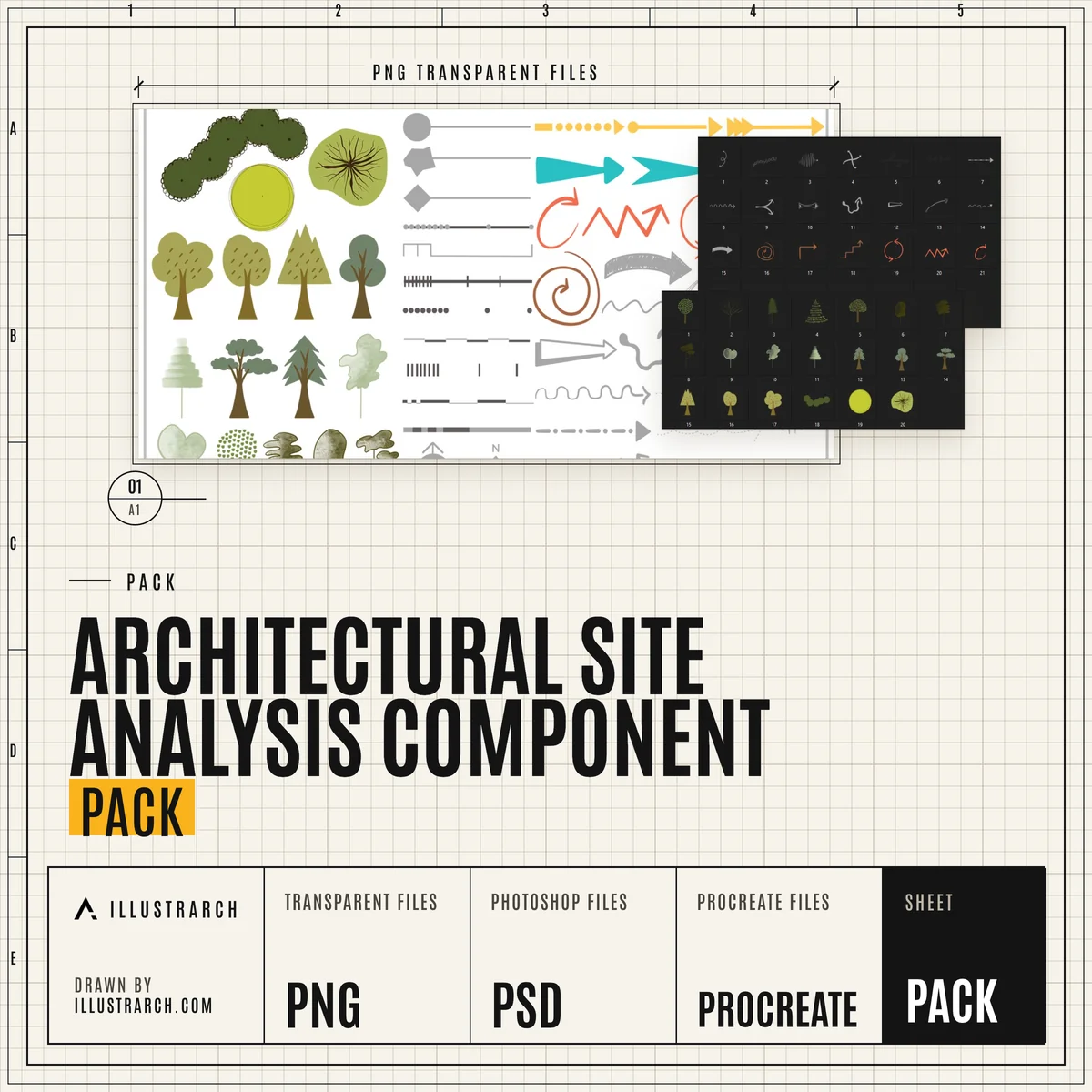
Free guides for reading a site and its climate, plus ready made diagram and site analysis kits from the illustrarch library.
Browse the library →Free downloads
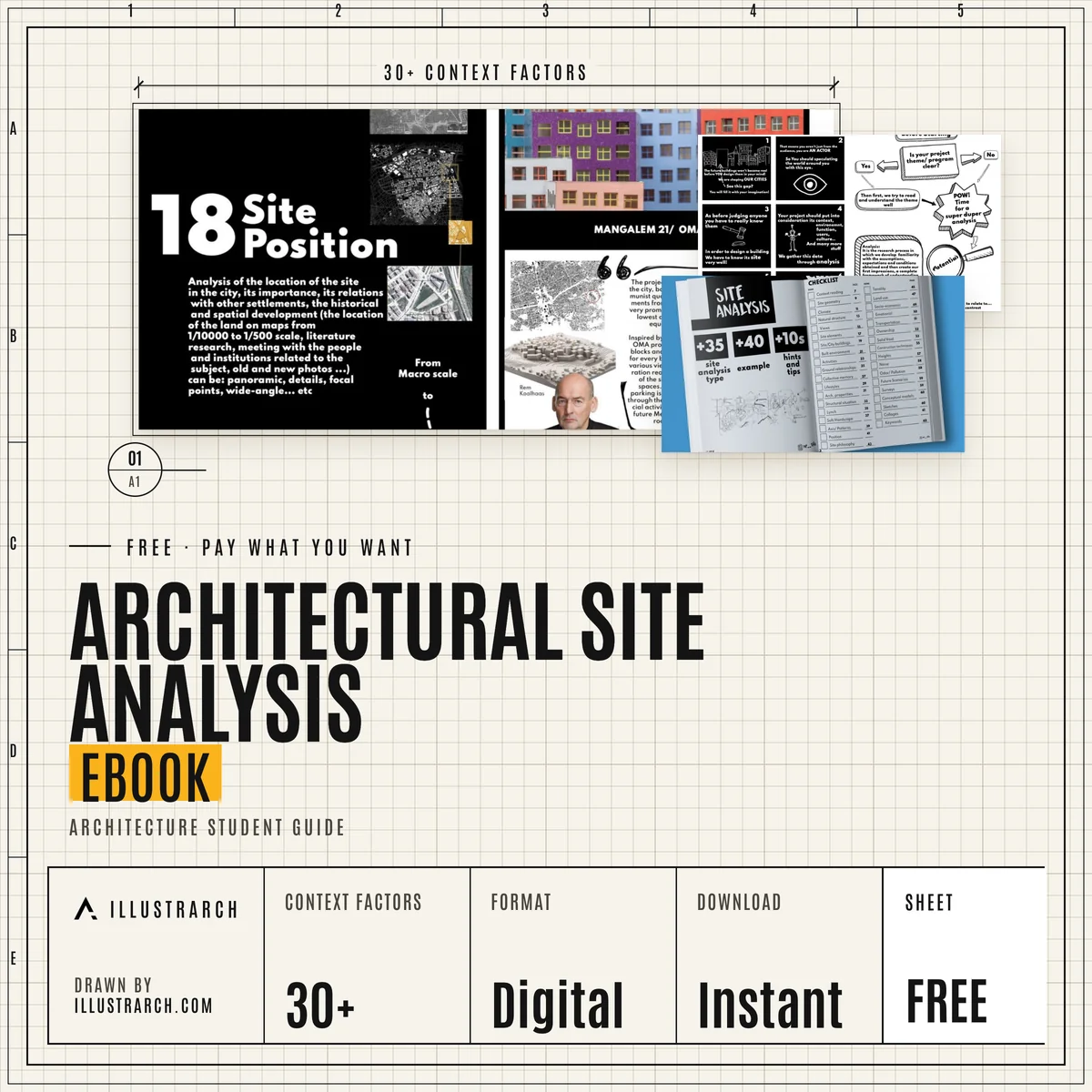 Architectural Site Analysis eBookA student guide to reading a siteFREE DOWNLOAD
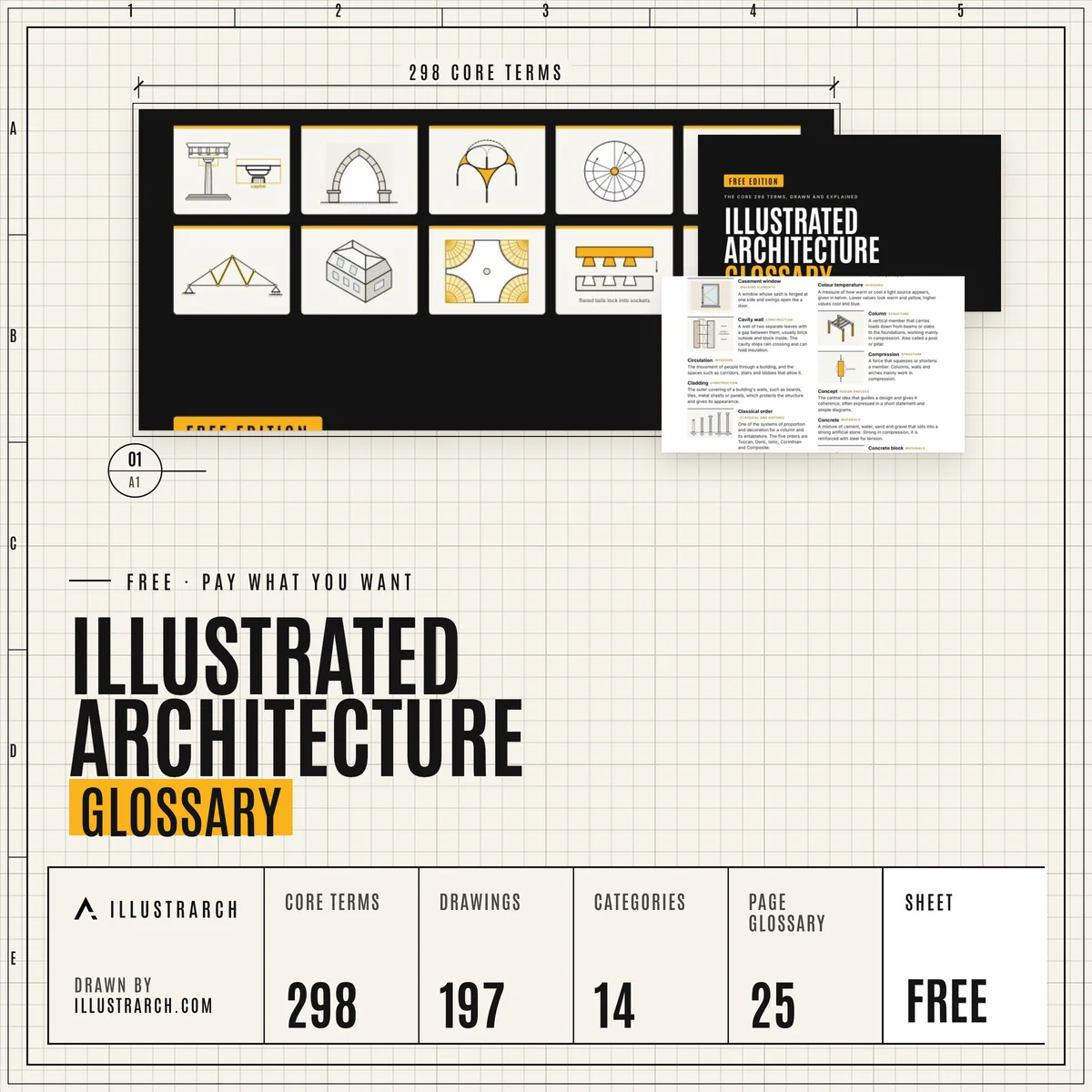 Illustrated Architecture Glossary298 core terms and 197 drawingsFREE DOWNLOAD
From the illustrarch library

Frequently Asked Questions
What is sustainable architecture?
Design that reduces the environmental impact of a building over its whole life, through its orientation, energy use, materials and water, while keeping the people inside healthy and comfortable.
Why does building orientation matter?
Orientation decides how much sun reaches each facade and room. Placing living spaces, openings and shading with the sun path in mind can cut heating and cooling demand before any equipment is added.
What is biophilic design?
An approach that connects people with nature inside buildings, using daylight, plants, views, water and natural materials and forms. Our guides cover its patterns and how it applies to homes, offices, schools and hospitals.
What is the difference between Passive House and LEED?
Passive House is a performance standard focused on very low energy demand through insulation, airtightness and ventilation. LEED is a rating system that awards points across energy, water, materials, site and indoor quality.
Is the sun path diagram generator free?
Yes. It is free, runs in the browser and needs no account. It is hosted on our sister site learnarchitecture.net.
Explore more hubs
Every illustrarch hub collects the guides, tools and downloads for one subject. Pick the next one for your project.
Visit the Students Hub →All free tools →